

2.1.6 Sources of Water Pollution
The major source of water pollution is the transfer of different household and
industrial wastes into the water ways, and then into the oceans. An estimated
2 million tons of different pollutants are flushed into the water systems per day.
The situation is more critical in countries where almost 90% of wastes and 70% of
industrial wastes are disposed off into the water ways (Wu and Chen 2013).
There are two main classes of water pollution sources – the point and non-point
sources. The point sources are simple to detect and easy to control which include
the pollutants released by the municipal waste management plant, modern treatment
plants, wastewater treatment plants, and also from industries. The industrial
wastes can pollute water from any group and of any size. The pollutants change
the chemistry of water, alter the oxygen level and temperature, and the population of
microorganisms. These can affect the aquatic water bodies and create critical situations (Wu and Chen 2013). The pollution from the non-point sources is not released
from any specific source, and can start from many points and places. The toxic
substances may be caused by the indiscriminate use of fertilizers, oils, and trash, the
horticultural waste movements, the wastes from domesticated animals and the
mineralization of soil as shown in Table 2.4. The pollutants can be transferred to
the local water sources by drains, or from the rain that flows onto the different
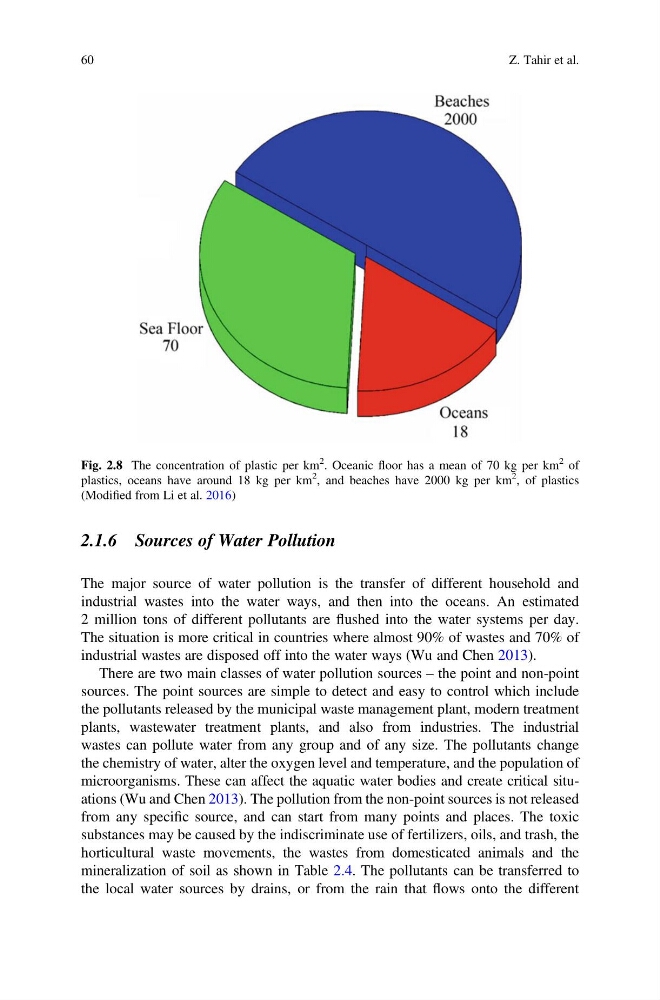
Fig. 2.8 The concentration of plastic per km
2
. Oceanic floor has a mean of 70 kg per km
2 of
plastics, oceans have around 18 kg per km
2
, and beaches have 2000 kg per km
2
, of plastics
(Modified from Li et al. 2016)
60
Z. Tahir et al.
The major source of water pollution is the transfer of different household and
industrial wastes into the water ways, and then into the oceans. An estimated
2 million tons of different pollutants are flushed into the water systems per day.
The situation is more critical in countries where almost 90% of wastes and 70% of
industrial wastes are disposed off into the water ways (Wu and Chen 2013).
There are two main classes of water pollution sources – the point and non-point
sources. The point sources are simple to detect and easy to control which include
the pollutants released by the municipal waste management plant, modern treatment
plants, wastewater treatment plants, and also from industries. The industrial
wastes can pollute water from any group and of any size. The pollutants change
the chemistry of water, alter the oxygen level and temperature, and the population of
microorganisms. These can affect the aquatic water bodies and create critical situations (Wu and Chen 2013). The pollution from the non-point sources is not released
from any specific source, and can start from many points and places. The toxic
substances may be caused by the indiscriminate use of fertilizers, oils, and trash, the
horticultural waste movements, the wastes from domesticated animals and the
mineralization of soil as shown in Table 2.4. The pollutants can be transferred to
the local water sources by drains, or from the rain that flows onto the different
Fig. 2.8 The concentration of plastic per km
2
. Oceanic floor has a mean of 70 kg per km
2 of
plastics, oceans have around 18 kg per km
2
, and beaches have 2000 kg per km
2
, of plastics
(Modified from Li et al. 2016)
60
Z. Tahir et al.