

Effect of Textile Parameters on Microfiber Shedding …
7
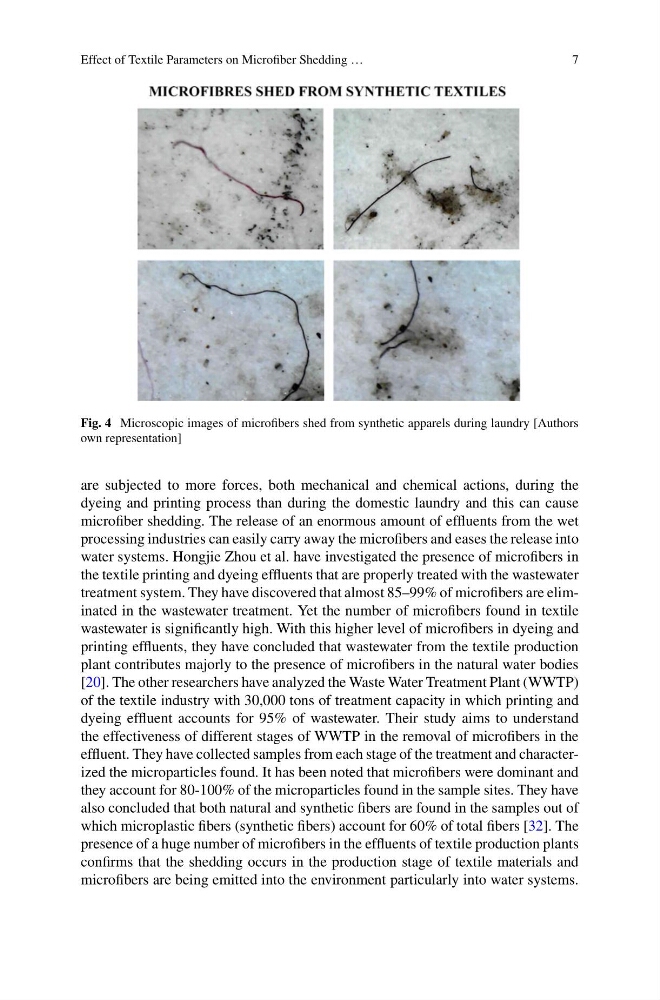
Fig. 4 Microscopic images of microfibers shed from synthetic apparels during laundry [Authors
own representation]
are subjected to more forces, both mechanical and chemical actions, during the
dyeing and printing process than during the domestic laundry and this can cause
microfiber shedding. The release of an enormous amount of effluents from the wet
processing industries can easily carry away the microfibers and eases the release into
water systems. Hongjie Zhou et al. have investigated the presence of microfibers in
the textile printing and dyeing effluents that are properly treated with the wastewater
treatment system. They have discovered that almost 85–99% of microfibers are eliminated in the wastewater treatment. Yet the number of microfibers found in textile
wastewater is significantly high. With this higher level of microfibers in dyeing and
printing effluents, they have concluded that wastewater from the textile production
plant contributes majorly to the presence of microfibers in the natural water bodies
[20]. The other researchers have analyzed the Waste Water Treatment Plant (WWTP)
of the textile industry with 30,000 tons of treatment capacity in which printing and
dyeing effluent accounts for 95% of wastewater. Their study aims to understand
the effectiveness of different stages of WWTP in the removal of microfibers in the
effluent. They have collected samples from each stage of the treatment and characterized the microparticles found. It has been noted that microfibers were dominant and
they account for 80-100% of the microparticles found in the sample sites. They have
also concluded that both natural and synthetic fibers are found in the samples out of
which microplastic fibers (synthetic fibers) account for 60% of total fibers [32]. The
presence of a huge number of microfibers in the effluents of textile production plants
confirms that the shedding occurs in the production stage of textile materials and
microfibers are being emitted into the environment particularly into water systems.
7
Fig. 4 Microscopic images of microfibers shed from synthetic apparels during laundry [Authors
own representation]
are subjected to more forces, both mechanical and chemical actions, during the
dyeing and printing process than during the domestic laundry and this can cause
microfiber shedding. The release of an enormous amount of effluents from the wet
processing industries can easily carry away the microfibers and eases the release into
water systems. Hongjie Zhou et al. have investigated the presence of microfibers in
the textile printing and dyeing effluents that are properly treated with the wastewater
treatment system. They have discovered that almost 85–99% of microfibers are eliminated in the wastewater treatment. Yet the number of microfibers found in textile
wastewater is significantly high. With this higher level of microfibers in dyeing and
printing effluents, they have concluded that wastewater from the textile production
plant contributes majorly to the presence of microfibers in the natural water bodies
[20]. The other researchers have analyzed the Waste Water Treatment Plant (WWTP)
of the textile industry with 30,000 tons of treatment capacity in which printing and
dyeing effluent accounts for 95% of wastewater. Their study aims to understand
the effectiveness of different stages of WWTP in the removal of microfibers in the
effluent. They have collected samples from each stage of the treatment and characterized the microparticles found. It has been noted that microfibers were dominant and
they account for 80-100% of the microparticles found in the sample sites. They have
also concluded that both natural and synthetic fibers are found in the samples out of
which microplastic fibers (synthetic fibers) account for 60% of total fibers [32]. The
presence of a huge number of microfibers in the effluents of textile production plants
confirms that the shedding occurs in the production stage of textile materials and
microfibers are being emitted into the environment particularly into water systems.