

1.4.2 Biofilms in Water Distribution Systems
The existence of microbial biofilms is another major challenge encountered by
authorities. Biofilms are microbial colonies with a layer of extracellular polymeric
material protecting the biomass through environmental and shear tensions. Biofilms
are a potential source of bacterial contamination and also affect the flavor and odor of
the water and facilitate the corrosion of pipes (Chan et al. 2019). The biofilm
contains bacterial colonies enveloped inside a polymeric slime that confirms adhesion to the particular pipe surface. Gradually, they become resistant to various
disinfectants and antibiotics. Biofilms are found within pipes, tanks, business
cooling towers, heat exchangers, hospital plumbing system, filtration media, etc.
Because of their complex architecture, firm attachment, and their capacity to adapt to
the environmental conditions, they may be very difficult to get rid of. These resistant
bacteria could be an essential source of water contamination and, subsequently,
leading food poisoning, diarrhea, and other outbreaks (Maes et al. 2019).
The newer technologies are mainly focusing on in situ differentiation of biomass
and biofilms present in the water pipelines. In order to manage the biofilm formation
in water distribution systems, their physiochemical structure must be correctly
analyzed and appropriate chemical agents must be used to break the biofilm network.
Present methods employed to control and remove biofilm include chlorinechloramine disinfection, flushing involving water supply systems, and nutrient
removal (Douterelo et al. 2016; Fish and Boxall 2018).
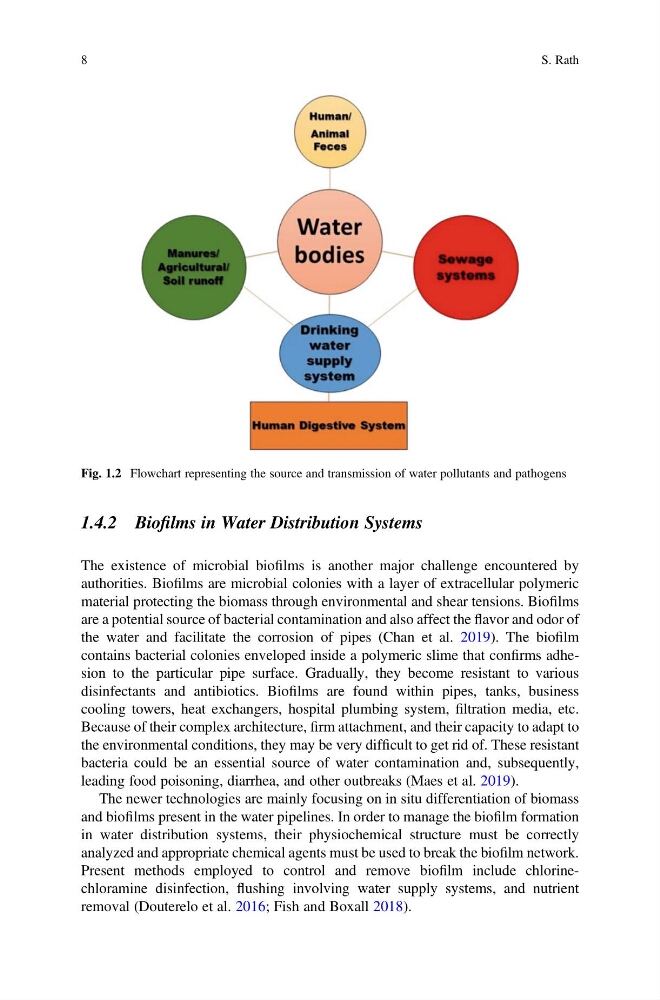
Fig. 1.2 Flowchart representing the source and transmission of water pollutants and pathogens
8
S. Rath
The existence of microbial biofilms is another major challenge encountered by
authorities. Biofilms are microbial colonies with a layer of extracellular polymeric
material protecting the biomass through environmental and shear tensions. Biofilms
are a potential source of bacterial contamination and also affect the flavor and odor of
the water and facilitate the corrosion of pipes (Chan et al. 2019). The biofilm
contains bacterial colonies enveloped inside a polymeric slime that confirms adhesion to the particular pipe surface. Gradually, they become resistant to various
disinfectants and antibiotics. Biofilms are found within pipes, tanks, business
cooling towers, heat exchangers, hospital plumbing system, filtration media, etc.
Because of their complex architecture, firm attachment, and their capacity to adapt to
the environmental conditions, they may be very difficult to get rid of. These resistant
bacteria could be an essential source of water contamination and, subsequently,
leading food poisoning, diarrhea, and other outbreaks (Maes et al. 2019).
The newer technologies are mainly focusing on in situ differentiation of biomass
and biofilms present in the water pipelines. In order to manage the biofilm formation
in water distribution systems, their physiochemical structure must be correctly
analyzed and appropriate chemical agents must be used to break the biofilm network.
Present methods employed to control and remove biofilm include chlorinechloramine disinfection, flushing involving water supply systems, and nutrient
removal (Douterelo et al. 2016; Fish and Boxall 2018).
Fig. 1.2 Flowchart representing the source and transmission of water pollutants and pathogens
8
S. Rath