

223
8.2 Role of Biosurfactants in Marine Bioremediation
Bioremediation offers significant prospective for economical, pollutant-specific
treatments to eliminate ecological pollutants from marine ecosystem. However, it
involved the speeding up of native biodegradative practices in polluted areas by
increasing the bioavailability of nutrients, oxygen, pH, moisture content, and existing microbial population. The presence of marine microorganisms with ability of oil
degradation is well established, and previous studies established the ability of native
microflora to degrade petroleum hydrocarbons soon after exposure (Swannell et al.
1996). Bioremediation experiments in marine environment vary significantly with
regard to geographical region, type of oil and concentration, proportions of study
area, site of oil on seashore, composition of sediments, and the analytical techniques
employed to assess process of biodegradation (Swannell et al. 1996). In a study by
Chakrabarty (1985), Pseudomonas aeruginosa SB30 produced an emulsifier which
could scatter oil into small droplets which is beneficial in removing oil from contaminated beaches. Few experimental studies suggested the supplementation of
additional nutrients along with the biosurfactants can enhance the process of bioremediation. This hypothesis is supported by the experimental evidences of McKew
et al. (2007). Notably, they showed that combined addition of bioemulsifier,
Marine
bioremediation
Polyaromatic
hydrocarbons
(PAH)
Pesticides/organic/
inorganic
contaminants
Petroleum
industry/oil spills
Heavy metals
Microbial
enhanced oil
recovery (MEOR)
Hydrophilic head
Hydrophobic tail
Aqueous
solution
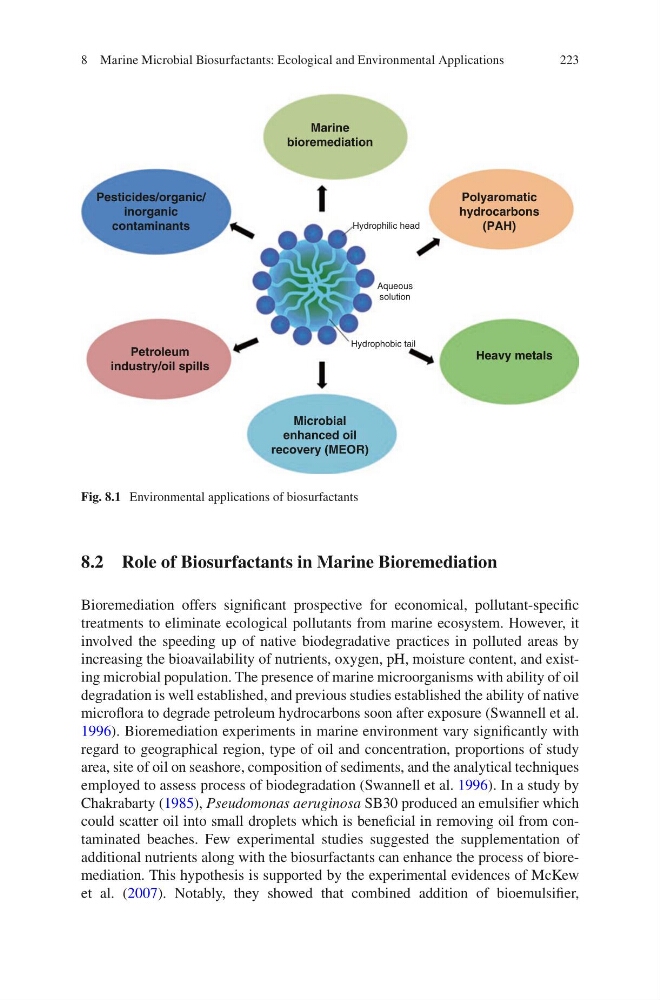
Fig. 8.1 Environmental applications of biosurfactants
8 Marine Microbial Biosurfactants: Ecological and Environmental Applications
8.2 Role of Biosurfactants in Marine Bioremediation
Bioremediation offers significant prospective for economical, pollutant-specific
treatments to eliminate ecological pollutants from marine ecosystem. However, it
involved the speeding up of native biodegradative practices in polluted areas by
increasing the bioavailability of nutrients, oxygen, pH, moisture content, and existing microbial population. The presence of marine microorganisms with ability of oil
degradation is well established, and previous studies established the ability of native
microflora to degrade petroleum hydrocarbons soon after exposure (Swannell et al.
1996). Bioremediation experiments in marine environment vary significantly with
regard to geographical region, type of oil and concentration, proportions of study
area, site of oil on seashore, composition of sediments, and the analytical techniques
employed to assess process of biodegradation (Swannell et al. 1996). In a study by
Chakrabarty (1985), Pseudomonas aeruginosa SB30 produced an emulsifier which
could scatter oil into small droplets which is beneficial in removing oil from contaminated beaches. Few experimental studies suggested the supplementation of
additional nutrients along with the biosurfactants can enhance the process of bioremediation. This hypothesis is supported by the experimental evidences of McKew
et al. (2007). Notably, they showed that combined addition of bioemulsifier,
Marine
bioremediation
Polyaromatic
hydrocarbons
(PAH)
Pesticides/organic/
inorganic
contaminants
Petroleum
industry/oil spills
Heavy metals
Microbial
enhanced oil
recovery (MEOR)
Hydrophilic head
Hydrophobic tail
Aqueous
solution
Fig. 8.1 Environmental applications of biosurfactants
8 Marine Microbial Biosurfactants: Ecological and Environmental Applications