

138
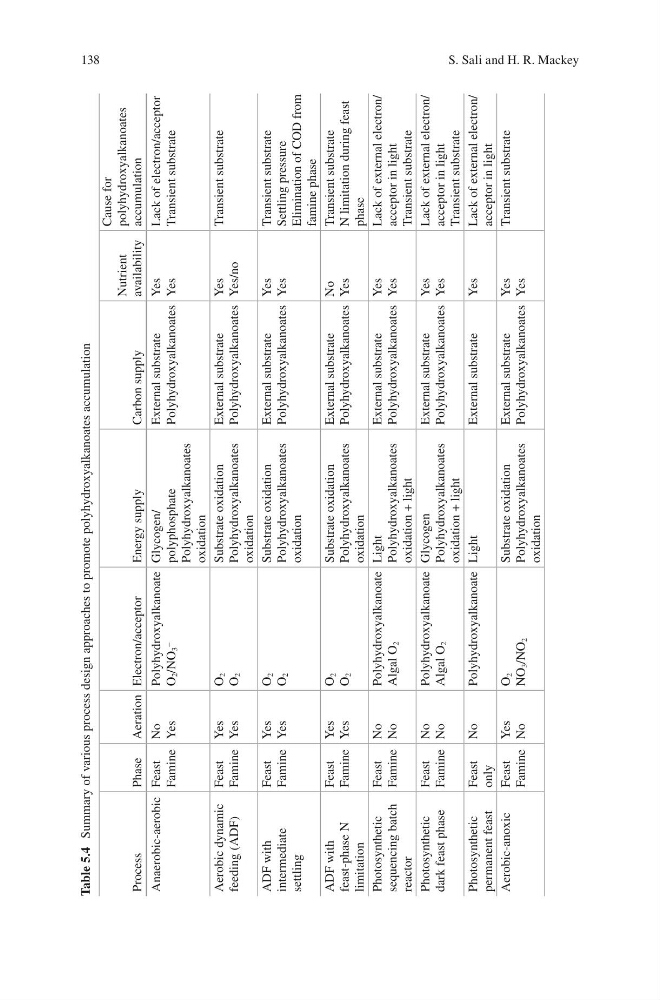
Table 5.4 Summary of various process design approaches to promote polyhydroxyalkanoates accumulation
Process
Phase Aeration Electron/acceptor
Energy supply
Carbon supply
Nutrient
availability
Cause for
polyhydroxyalkanoates
accumulation
Anaerobic-aerobic Feast
Famine
No
Yes
Polyhydroxyalkanoate
O
2 /NO
3
−
Glycogen/
polyphosphate
Polyhydroxyalkanoates
oxidation
External substrate
Polyhydroxyalkanoates
Yes
Yes
Lack of electron/acceptor
Transient substrate
Aerobic dynamic
feeding (ADF)
Feast
Famine
Yes
Yes
O
2
O
2
Substrate oxidation
Polyhydroxyalkanoates
oxidation
External substrate
Polyhydroxyalkanoates
Yes
Yes/no
Transient substrate
ADF with
intermediate
settling
Feast
Famine
Yes
Yes
O
2
O
2
Substrate oxidation
Polyhydroxyalkanoates
oxidation
External substrate
Polyhydroxyalkanoates
Yes
Yes
Transient substrate
Settling pressure
Elimination of COD from
famine phase
ADF with
feast-phase N
limitation
Feast
Famine
Yes
Yes
O
2
O
2
Substrate oxidation
Polyhydroxyalkanoates
oxidation
External substrate
Polyhydroxyalkanoates
No
Yes
Transient substrate
N limitation during feast
phase
Photosynthetic
sequencing batch
reactor
Feast
Famine
No
No
Polyhydroxyalkanoate
Algal O
2
Light
Polyhydroxyalkanoates
oxidation + light
External substrate
Polyhydroxyalkanoates
Yes
Yes
Lack of external electron/
acceptor in light
Transient substrate
Photosynthetic
dark feast phase
Feast
Famine
No
No
Polyhydroxyalkanoate
Algal O
2
Glycogen
Polyhydroxyalkanoates
oxidation + light
External substrate
Polyhydroxyalkanoates
Yes
Yes
Lack of external electron/
acceptor in light
Transient substrate
Photosynthetic
permanent feast
Feast
only
No
Polyhydroxyalkanoate Light
External substrate
Yes
Lack of external electron/
acceptor in light
Aerobic-anoxic
Feast
Famine
Yes
No
O
2
NO
3 /NO
2
Substrate oxidation
Polyhydroxyalkanoates
oxidation
External substrate
Polyhydroxyalkanoates
Yes
Yes
Transient substrate
S. Sali and H. R. Mackey
Table 5.4 Summary of various process design approaches to promote polyhydroxyalkanoates accumulation
Process
Phase Aeration Electron/acceptor
Energy supply
Carbon supply
Nutrient
availability
Cause for
polyhydroxyalkanoates
accumulation
Anaerobic-aerobic Feast
Famine
No
Yes
Polyhydroxyalkanoate
O
2 /NO
3
−
Glycogen/
polyphosphate
Polyhydroxyalkanoates
oxidation
External substrate
Polyhydroxyalkanoates
Yes
Yes
Lack of electron/acceptor
Transient substrate
Aerobic dynamic
feeding (ADF)
Feast
Famine
Yes
Yes
O
2
O
2
Substrate oxidation
Polyhydroxyalkanoates
oxidation
External substrate
Polyhydroxyalkanoates
Yes
Yes/no
Transient substrate
ADF with
intermediate
settling
Feast
Famine
Yes
Yes
O
2
O
2
Substrate oxidation
Polyhydroxyalkanoates
oxidation
External substrate
Polyhydroxyalkanoates
Yes
Yes
Transient substrate
Settling pressure
Elimination of COD from
famine phase
ADF with
feast-phase N
limitation
Feast
Famine
Yes
Yes
O
2
O
2
Substrate oxidation
Polyhydroxyalkanoates
oxidation
External substrate
Polyhydroxyalkanoates
No
Yes
Transient substrate
N limitation during feast
phase
Photosynthetic
sequencing batch
reactor
Feast
Famine
No
No
Polyhydroxyalkanoate
Algal O
2
Light
Polyhydroxyalkanoates
oxidation + light
External substrate
Polyhydroxyalkanoates
Yes
Yes
Lack of external electron/
acceptor in light
Transient substrate
Photosynthetic
dark feast phase
Feast
Famine
No
No
Polyhydroxyalkanoate
Algal O
2
Glycogen
Polyhydroxyalkanoates
oxidation + light
External substrate
Polyhydroxyalkanoates
Yes
Yes
Lack of external electron/
acceptor in light
Transient substrate
Photosynthetic
permanent feast
Feast
only
No
Polyhydroxyalkanoate Light
External substrate
Yes
Lack of external electron/
acceptor in light
Aerobic-anoxic
Feast
Famine
Yes
No
O
2
NO
3 /NO
2
Substrate oxidation
Polyhydroxyalkanoates
oxidation
External substrate
Polyhydroxyalkanoates
Yes
Yes
Transient substrate
S. Sali and H. R. Mackey