

for the growth of microbes and their activity in a specific substrate (Aydınoglu and
Sargin 2013; Harmanpreet et al. 2016).
A good number of agricultural residues are studied for cellulase production
including wheat bran (Chandra and Reddy 2013), rice husk (Suresh et al. 2016),
groundnut shells (Sridevi et al. 2008), fodder (Shruthi et al. 2019), cellulose bagasse
(Long et al. 2012), egg shell waste (Verma et al. 2012), water hyacinth (Zhao et al.
2011), wheat bran (Maurya et al. 2012), sugarcane bagasse (Singhania et al. 2006),
natural and pretreated lignocelluloses (Sridevi et al. 2008), domestic wastewater
sludge (Alam et al. 2008), oil palm of empty fruit bunches (Alam et al. 2009), soya
hull (Brijwani and Vadlani 2011; Herculano et al. 2011), saw dust (Narasimha et al.
2006; Guruchandran and Sasikumar 2010), rice straw (Hideno et al. 2011; Liang
et al. 2012; Rahnama et al. 2016), potato peel (Santos et al. 2012), cassava baggase
(Singhania et al. 2006), ground nut shell waste (Vyas et al. 2005), and pea seed husk
(Srilakshmi et al. 2017). Various lignocellulosic substrates used for cellulolytic
enzymes synthesis by fungi in SSF are presented in Table 3.2.
A number of solid substrates were employed for cellulolytic enzymes production
in SSF. Banana waste, rice straw, wheat straw, and corn stalks were utilized as
lignocellulosic substrates for cellulolytic enzymes production by A. niger,
F. oxysporum, F. avenaceum, C. acremonium, and A. flavus NRRL 5521 under
SSF (Azzaz et al. 2012; Azzaz and Azzaz 2013). In a study, Abdullah et al. (2016)
standardized the cellulase production by municipal solid waste as a solid substrate
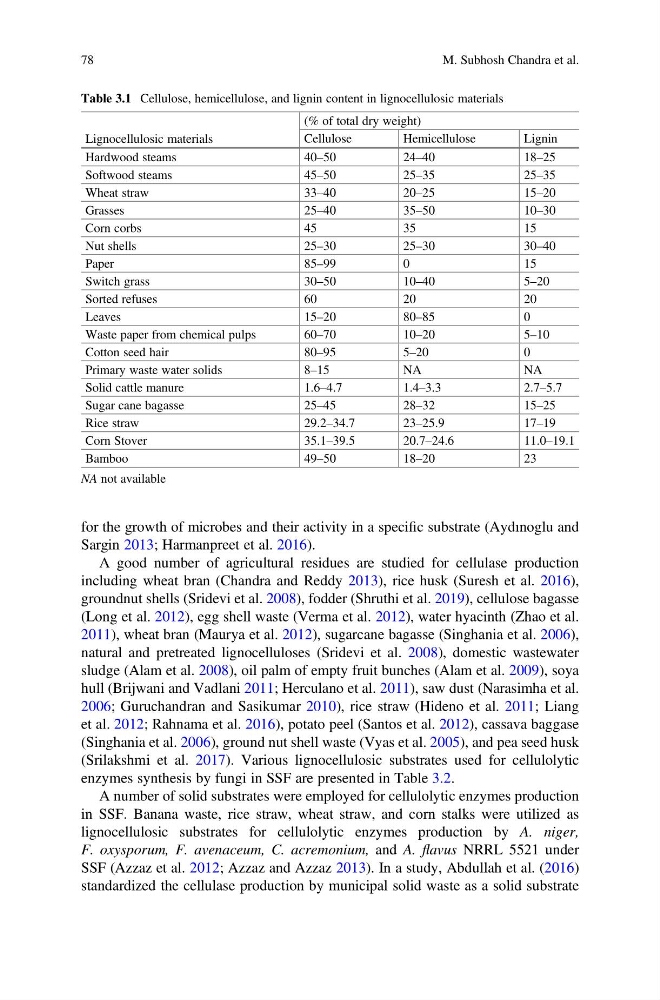
Table 3.1 Cellulose, hemicellulose, and lignin content in lignocellulosic materials
Lignocellulosic materials
(% of total dry weight)
Cellulose
Hemicellulose
Lignin
Hardwood steams
40–50
24–40
18–25
Softwood steams
45–50
25–35
25–35
Wheat straw
33–40
20–25
15–20
Grasses
25–40
35–50
10–30
Corn corbs
45
35
15
Nut shells
25–30
25–30
30–40
Paper
85–99
0
15
Switch grass
30–50
10–40
5–20
Sorted refuses
60
20
20
Leaves
15–20
80–85
0
Waste paper from chemical pulps
60–70
10–20
5–10
Cotton seed hair
80–95
5–20
0
Primary waste water solids
8–15
NA
NA
Solid cattle manure
1.6–4.7
1.4–3.3
2.7–5.7
Sugar cane bagasse
25–45
28–32
15–25
Rice straw
29.2–34.7
23–25.9
17–19
Corn Stover
35.1–39.5
20.7–24.6
11.0–19.1
Bamboo
49–50
18–20
23
NA not available
78
M. Subhosh Chandra et al.
Sargin 2013; Harmanpreet et al. 2016).
A good number of agricultural residues are studied for cellulase production
including wheat bran (Chandra and Reddy 2013), rice husk (Suresh et al. 2016),
groundnut shells (Sridevi et al. 2008), fodder (Shruthi et al. 2019), cellulose bagasse
(Long et al. 2012), egg shell waste (Verma et al. 2012), water hyacinth (Zhao et al.
2011), wheat bran (Maurya et al. 2012), sugarcane bagasse (Singhania et al. 2006),
natural and pretreated lignocelluloses (Sridevi et al. 2008), domestic wastewater
sludge (Alam et al. 2008), oil palm of empty fruit bunches (Alam et al. 2009), soya
hull (Brijwani and Vadlani 2011; Herculano et al. 2011), saw dust (Narasimha et al.
2006; Guruchandran and Sasikumar 2010), rice straw (Hideno et al. 2011; Liang
et al. 2012; Rahnama et al. 2016), potato peel (Santos et al. 2012), cassava baggase
(Singhania et al. 2006), ground nut shell waste (Vyas et al. 2005), and pea seed husk
(Srilakshmi et al. 2017). Various lignocellulosic substrates used for cellulolytic
enzymes synthesis by fungi in SSF are presented in Table 3.2.
A number of solid substrates were employed for cellulolytic enzymes production
in SSF. Banana waste, rice straw, wheat straw, and corn stalks were utilized as
lignocellulosic substrates for cellulolytic enzymes production by A. niger,
F. oxysporum, F. avenaceum, C. acremonium, and A. flavus NRRL 5521 under
SSF (Azzaz et al. 2012; Azzaz and Azzaz 2013). In a study, Abdullah et al. (2016)
standardized the cellulase production by municipal solid waste as a solid substrate
Table 3.1 Cellulose, hemicellulose, and lignin content in lignocellulosic materials
Lignocellulosic materials
(% of total dry weight)
Cellulose
Hemicellulose
Lignin
Hardwood steams
40–50
24–40
18–25
Softwood steams
45–50
25–35
25–35
Wheat straw
33–40
20–25
15–20
Grasses
25–40
35–50
10–30
Corn corbs
45
35
15
Nut shells
25–30
25–30
30–40
Paper
85–99
0
15
Switch grass
30–50
10–40
5–20
Sorted refuses
60
20
20
Leaves
15–20
80–85
0
Waste paper from chemical pulps
60–70
10–20
5–10
Cotton seed hair
80–95
5–20
0
Primary waste water solids
8–15
NA
NA
Solid cattle manure
1.6–4.7
1.4–3.3
2.7–5.7
Sugar cane bagasse
25–45
28–32
15–25
Rice straw
29.2–34.7
23–25.9
17–19
Corn Stover
35.1–39.5
20.7–24.6
11.0–19.1
Bamboo
49–50
18–20
23
NA not available
78
M. Subhosh Chandra et al.