

take place in multistage reactors. Westerholm et al. (2020) have compared
mesophilic and thermophilic industrial-scale plug-flow digesters. The high-solid
treatment (HST) demonstrated showed good biogas yields from food waste. In
thermophilic HSTs, the abundance of Clostridia group MBA03 while in mesophilic
HST abundance of Cloacimonetes was seen. Figure 8.5 shows the construction of a
floating drum digester.
8.7 Advantages and Disadvantages of Anaerobic Treatment
The advantages of the process (Gerbens and Zeeman 1999) include provision of
energy source through methane recovery, consumption of lower amounts of energy,
reduction of solids to be handled, sludge production, raw waste stabilization, less
odor, retention of the fertilizer nutrients nitrogen (N), phosphate (P), and potassium
(K). The volume of the reactor is generally small and can handle higher loading
rates. This process requires less amounts of energy compared to the aerobic process
of treatment of waste as biomass generation required is comparatively lower than
pH meter
Temperature
Timer and relay
Effluent
Biogas
Feed
Pump
Thermophilic anaerobic
digester
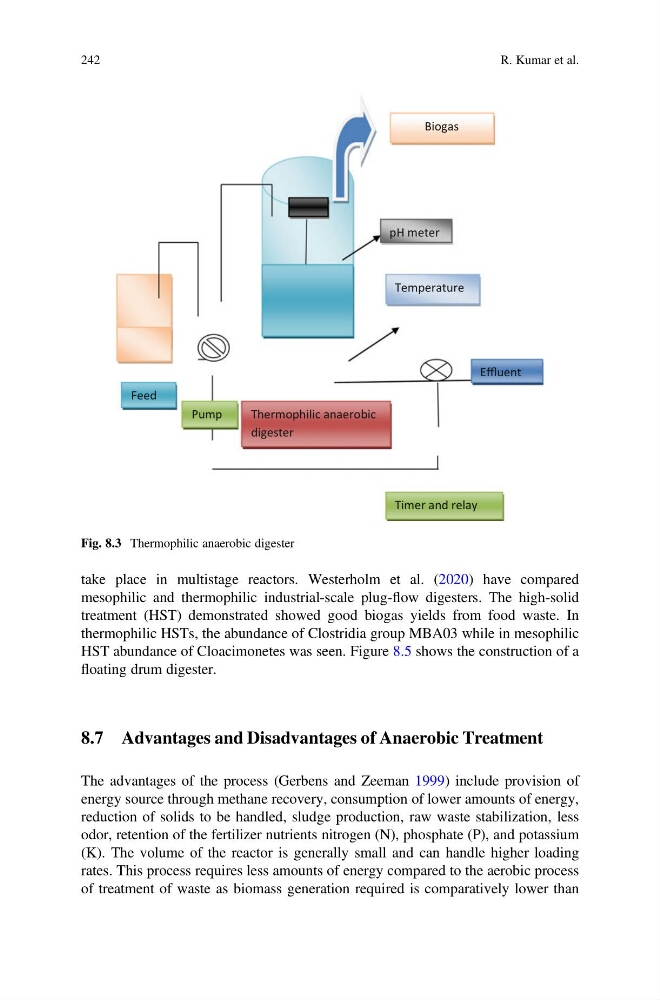
Fig. 8.3 Thermophilic anaerobic digester
242
R. Kumar et al.
mesophilic and thermophilic industrial-scale plug-flow digesters. The high-solid
treatment (HST) demonstrated showed good biogas yields from food waste. In
thermophilic HSTs, the abundance of Clostridia group MBA03 while in mesophilic
HST abundance of Cloacimonetes was seen. Figure 8.5 shows the construction of a
floating drum digester.
8.7 Advantages and Disadvantages of Anaerobic Treatment
The advantages of the process (Gerbens and Zeeman 1999) include provision of
energy source through methane recovery, consumption of lower amounts of energy,
reduction of solids to be handled, sludge production, raw waste stabilization, less
odor, retention of the fertilizer nutrients nitrogen (N), phosphate (P), and potassium
(K). The volume of the reactor is generally small and can handle higher loading
rates. This process requires less amounts of energy compared to the aerobic process
of treatment of waste as biomass generation required is comparatively lower than
pH meter
Temperature
Timer and relay
Effluent
Biogas
Feed
Pump
Thermophilic anaerobic
digester
Fig. 8.3 Thermophilic anaerobic digester
242
R. Kumar et al.