

2. Depending on the design of the experiment, this method can
also be employed to study RNA transfer in co-culture systems
involving more than two cell types. For example, in co-culture
system of three cell types, it will be essential to find magnetic
microbeads specific for at least two of them. Following the
harvesting and incubation with the microbeads, the cell suspension needs to be sequentially sorted two times to retrieve
the pure cell populations.
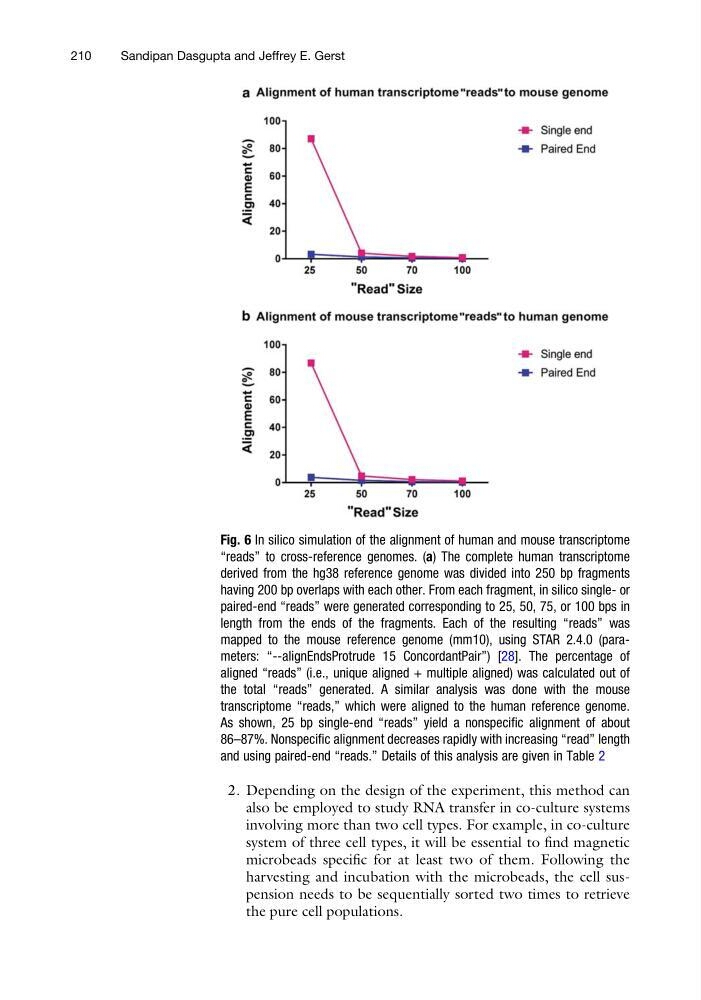
Fig. 6 In silico simulation of the alignment of human and mouse transcriptome
“reads” to cross-reference genomes. (a) The complete human transcriptome
derived from the hg38 reference genome was divided into 250 bp fragments
having 200 bp overlaps with each other. From each fragment, in silico single- or
paired-end “reads” were generated corresponding to 25, 50, 75, or 100 bps in
length from the ends of the fragments. Each of the resulting “reads” was
mapped to the mouse reference genome (mm10), using STAR 2.4.0 (parameters: “--alignEndsProtrude 15 ConcordantPair”) [28]. The percentage of
aligned “reads” (i.e., unique aligned + multiple aligned) was calculated out of
the total “reads” generated. A similar analysis was done with the mouse
transcriptome “reads,” which were aligned to the human reference genome.
As shown, 25 bp single-end “reads” yield a nonspecific alignment of about
86–87%. Nonspecific alignment decreases rapidly with increasing “read” length
and using paired-end “reads.” Details of this analysis are given in Table 2
210
Sandipan Dasgupta and Jeffrey E. Gerst
also be employed to study RNA transfer in co-culture systems
involving more than two cell types. For example, in co-culture
system of three cell types, it will be essential to find magnetic
microbeads specific for at least two of them. Following the
harvesting and incubation with the microbeads, the cell suspension needs to be sequentially sorted two times to retrieve
the pure cell populations.
Fig. 6 In silico simulation of the alignment of human and mouse transcriptome
“reads” to cross-reference genomes. (a) The complete human transcriptome
derived from the hg38 reference genome was divided into 250 bp fragments
having 200 bp overlaps with each other. From each fragment, in silico single- or
paired-end “reads” were generated corresponding to 25, 50, 75, or 100 bps in
length from the ends of the fragments. Each of the resulting “reads” was
mapped to the mouse reference genome (mm10), using STAR 2.4.0 (parameters: “--alignEndsProtrude 15 ConcordantPair”) [28]. The percentage of
aligned “reads” (i.e., unique aligned + multiple aligned) was calculated out of
the total “reads” generated. A similar analysis was done with the mouse
transcriptome “reads,” which were aligned to the human reference genome.
As shown, 25 bp single-end “reads” yield a nonspecific alignment of about
86–87%. Nonspecific alignment decreases rapidly with increasing “read” length
and using paired-end “reads.” Details of this analysis are given in Table 2
210
Sandipan Dasgupta and Jeffrey E. Gerst