

212
R. Gard
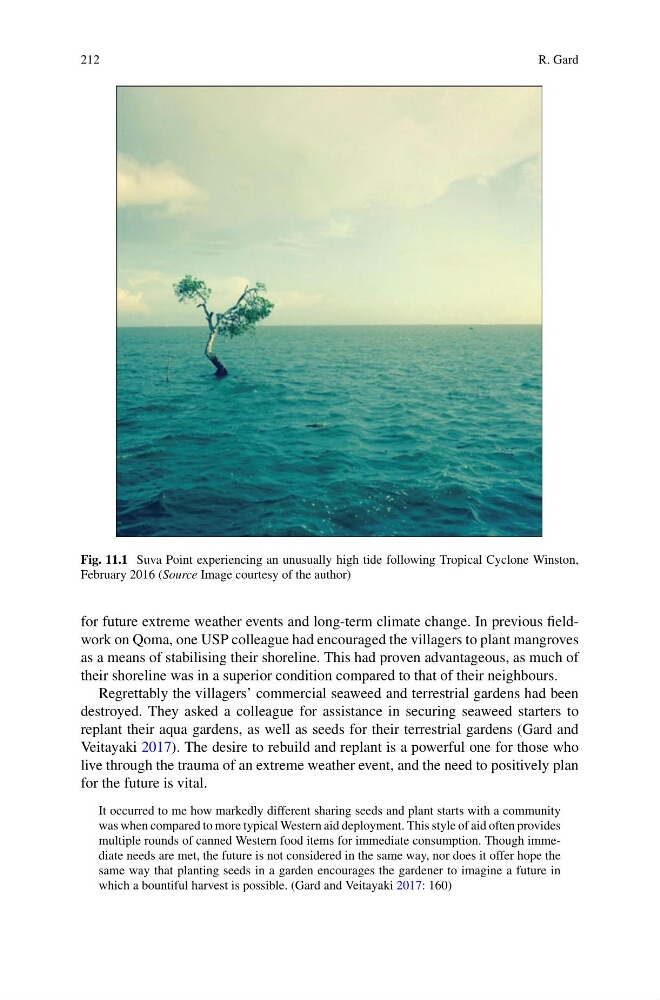
Fig. 11.1 Suva Point experiencing an unusually high tide following Tropical Cyclone Winston,
February 2016 (Source Image courtesy of the author)
for future extreme weather events and long-term climate change. In previous fieldwork on Qoma, one USP colleague had encouraged the villagers to plant mangroves
as a means of stabilising their shoreline. This had proven advantageous, as much of
their shoreline was in a superior condition compared to that of their neighbours.
Regrettably the villagers’ commercial seaweed and terrestrial gardens had been
destroyed. They asked a colleague for assistance in securing seaweed starters to
replant their aqua gardens, as well as seeds for their terrestrial gardens (Gard and
Veitayaki 2017). The desire to rebuild and replant is a powerful one for those who
live through the trauma of an extreme weather event, and the need to positively plan
for the future is vital.
It occurred to me how markedly different sharing seeds and plant starts with a community
was when compared to more typical Western aid deployment. This style of aid often provides
multiple rounds of canned Western food items for immediate consumption. Though immediate needs are met, the future is not considered in the same way, nor does it offer hope the
same way that planting seeds in a garden encourages the gardener to imagine a future in
which a bountiful harvest is possible. (Gard and Veitayaki 2017: 160)
R. Gard
Fig. 11.1 Suva Point experiencing an unusually high tide following Tropical Cyclone Winston,
February 2016 (Source Image courtesy of the author)
for future extreme weather events and long-term climate change. In previous fieldwork on Qoma, one USP colleague had encouraged the villagers to plant mangroves
as a means of stabilising their shoreline. This had proven advantageous, as much of
their shoreline was in a superior condition compared to that of their neighbours.
Regrettably the villagers’ commercial seaweed and terrestrial gardens had been
destroyed. They asked a colleague for assistance in securing seaweed starters to
replant their aqua gardens, as well as seeds for their terrestrial gardens (Gard and
Veitayaki 2017). The desire to rebuild and replant is a powerful one for those who
live through the trauma of an extreme weather event, and the need to positively plan
for the future is vital.
It occurred to me how markedly different sharing seeds and plant starts with a community
was when compared to more typical Western aid deployment. This style of aid often provides
multiple rounds of canned Western food items for immediate consumption. Though immediate needs are met, the future is not considered in the same way, nor does it offer hope the
same way that planting seeds in a garden encourages the gardener to imagine a future in
which a bountiful harvest is possible. (Gard and Veitayaki 2017: 160)