

2 Materials
Use analytical grade reagents and ultrapure deionized water. All
solvents used for liquid chromatography should be HPLC grade.
Extra care should be taken for carotenoid substrates. Most commercially available carotenoids contain significant impurities, which
affect the enzyme activity. Additionally, carotenoids and apocarotenoids are light sensitive and as a result can be oxidized and can
display limited storage times. Therefore, carotenoid and apocarotenoid substrates need to be prepared fresh and purified by chromatographic methods when needed. All reagents and cellular
extracts should be kept on ice during the enzyme extraction and
enzyme assay preparation procedure (unless indicated otherwise).
Waste disposal regulations and rules for the work with bacteria and
recombinant DNA must be meticulously followed.
2.1 CCD Expression
Plasmid
Transformation
into E. coli
1. BL21 competent E. coli cells (Stratagene) (see Note 1).
2. CCD expression plasmid (see Note 2).
3. General purpose water bath.
4. Super Optimal broth with Catabolite repression (SOC) Outgrowth medium: 2% (w/v) vegetable peptone, 0.5% (w/v)
yeast extract, 10 mM NaCl, 2.5 mM KCl, 10 mM MgCl 2 ,
10 mM MgSO 4 , and 20 mM glucose. SOC outgrowth medium
can be made to any volume depending on the volume that is
needed.
5. Console incubator shaker (New Brunswick E25/E25R or
equivalent).
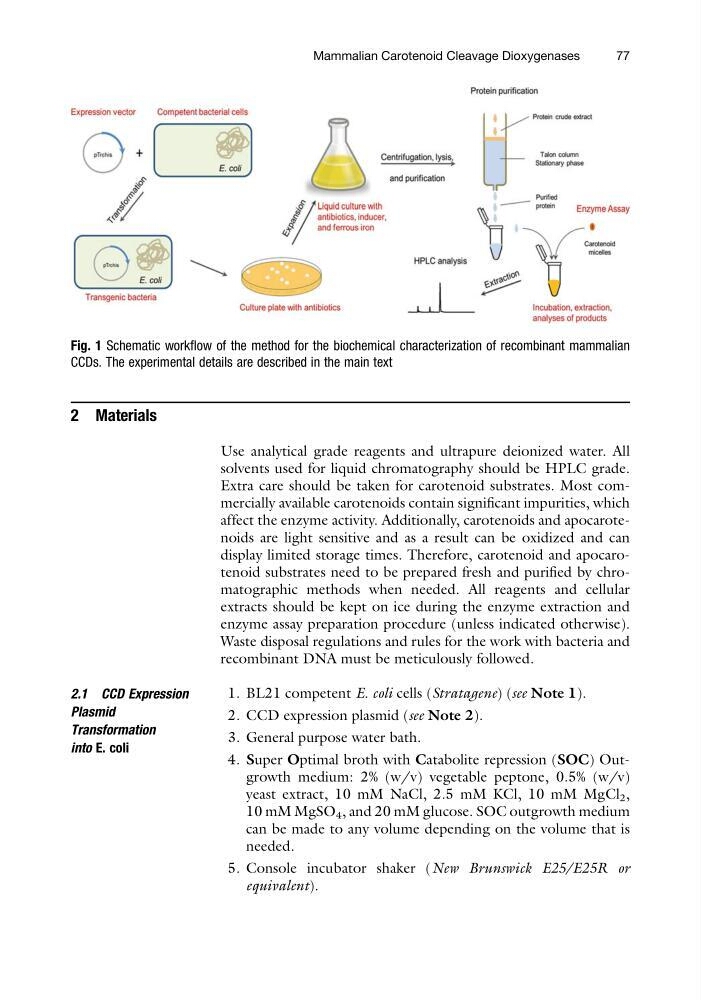
Fig. 1 Schematic workflow of the method for the biochemical characterization of recombinant mammalian
CCDs. The experimental details are described in the main text
Mammalian Carotenoid Cleavage Dioxygenases
77
Use analytical grade reagents and ultrapure deionized water. All
solvents used for liquid chromatography should be HPLC grade.
Extra care should be taken for carotenoid substrates. Most commercially available carotenoids contain significant impurities, which
affect the enzyme activity. Additionally, carotenoids and apocarotenoids are light sensitive and as a result can be oxidized and can
display limited storage times. Therefore, carotenoid and apocarotenoid substrates need to be prepared fresh and purified by chromatographic methods when needed. All reagents and cellular
extracts should be kept on ice during the enzyme extraction and
enzyme assay preparation procedure (unless indicated otherwise).
Waste disposal regulations and rules for the work with bacteria and
recombinant DNA must be meticulously followed.
2.1 CCD Expression
Plasmid
Transformation
into E. coli
1. BL21 competent E. coli cells (Stratagene) (see Note 1).
2. CCD expression plasmid (see Note 2).
3. General purpose water bath.
4. Super Optimal broth with Catabolite repression (SOC) Outgrowth medium: 2% (w/v) vegetable peptone, 0.5% (w/v)
yeast extract, 10 mM NaCl, 2.5 mM KCl, 10 mM MgCl 2 ,
10 mM MgSO 4 , and 20 mM glucose. SOC outgrowth medium
can be made to any volume depending on the volume that is
needed.
5. Console incubator shaker (New Brunswick E25/E25R or
equivalent).
Fig. 1 Schematic workflow of the method for the biochemical characterization of recombinant mammalian
CCDs. The experimental details are described in the main text
Mammalian Carotenoid Cleavage Dioxygenases
77