

206
J. A. Elegbede and A. Lateef
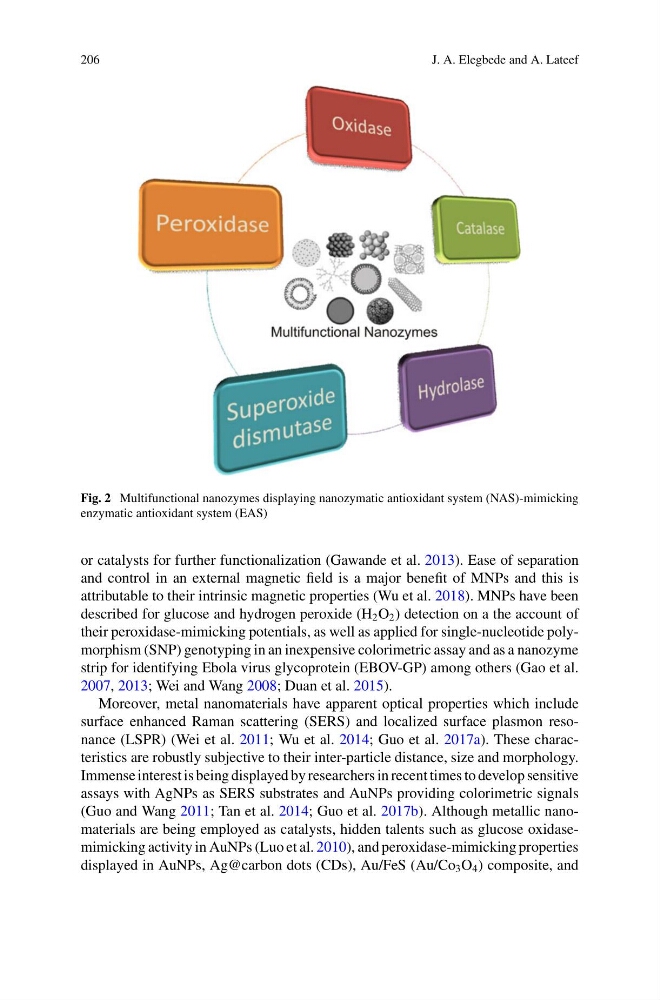
Fig. 2 Multifunctional nanozymes displaying nanozymatic antioxidant system (NAS)-mimicking
enzymatic antioxidant system (EAS)
or catalysts for further functionalization (Gawande et al. 2013). Ease of separation
and control in an external magnetic field is a major benefit of MNPs and this is
attributable to their intrinsic magnetic properties (Wu et al. 2018). MNPs have been
described for glucose and hydrogen peroxide (H 2 O 2 ) detection on a the account of
their peroxidase-mimicking potentials, as well as applied for single-nucleotide polymorphism (SNP) genotyping in an inexpensive colorimetric assay and as a nanozyme
strip for identifying Ebola virus glycoprotein (EBOV-GP) among others (Gao et al.
2007, 2013; Wei and Wang 2008; Duan et al. 2015).
Moreover, metal nanomaterials have apparent optical properties which include
surface enhanced Raman scattering (SERS) and localized surface plasmon resonance (LSPR) (Wei et al. 2011; Wu et al. 2014; Guo et al. 2017a). These characteristics are robustly subjective to their inter-particle distance, size and morphology.
Immense interest is being displayed by researchers in recent times to develop sensitive
assays with AgNPs as SERS substrates and AuNPs providing colorimetric signals
(Guo and Wang 2011; Tan et al. 2014; Guo et al. 2017b). Although metallic nanomaterials are being employed as catalysts, hidden talents such as glucose oxidasemimicking activity in AuNPs (Luo et al. 2010), and peroxidase-mimicking properties
displayed in AuNPs, Ag@carbon dots (CDs), Au/FeS (Au/Co 3 O 4 ) composite, and
J. A. Elegbede and A. Lateef
Fig. 2 Multifunctional nanozymes displaying nanozymatic antioxidant system (NAS)-mimicking
enzymatic antioxidant system (EAS)
or catalysts for further functionalization (Gawande et al. 2013). Ease of separation
and control in an external magnetic field is a major benefit of MNPs and this is
attributable to their intrinsic magnetic properties (Wu et al. 2018). MNPs have been
described for glucose and hydrogen peroxide (H 2 O 2 ) detection on a the account of
their peroxidase-mimicking potentials, as well as applied for single-nucleotide polymorphism (SNP) genotyping in an inexpensive colorimetric assay and as a nanozyme
strip for identifying Ebola virus glycoprotein (EBOV-GP) among others (Gao et al.
2007, 2013; Wei and Wang 2008; Duan et al. 2015).
Moreover, metal nanomaterials have apparent optical properties which include
surface enhanced Raman scattering (SERS) and localized surface plasmon resonance (LSPR) (Wei et al. 2011; Wu et al. 2014; Guo et al. 2017a). These characteristics are robustly subjective to their inter-particle distance, size and morphology.
Immense interest is being displayed by researchers in recent times to develop sensitive
assays with AgNPs as SERS substrates and AuNPs providing colorimetric signals
(Guo and Wang 2011; Tan et al. 2014; Guo et al. 2017b). Although metallic nanomaterials are being employed as catalysts, hidden talents such as glucose oxidasemimicking activity in AuNPs (Luo et al. 2010), and peroxidase-mimicking properties
displayed in AuNPs, Ag@carbon dots (CDs), Au/FeS (Au/Co 3 O 4 ) composite, and