

8
A. Lateef et al.
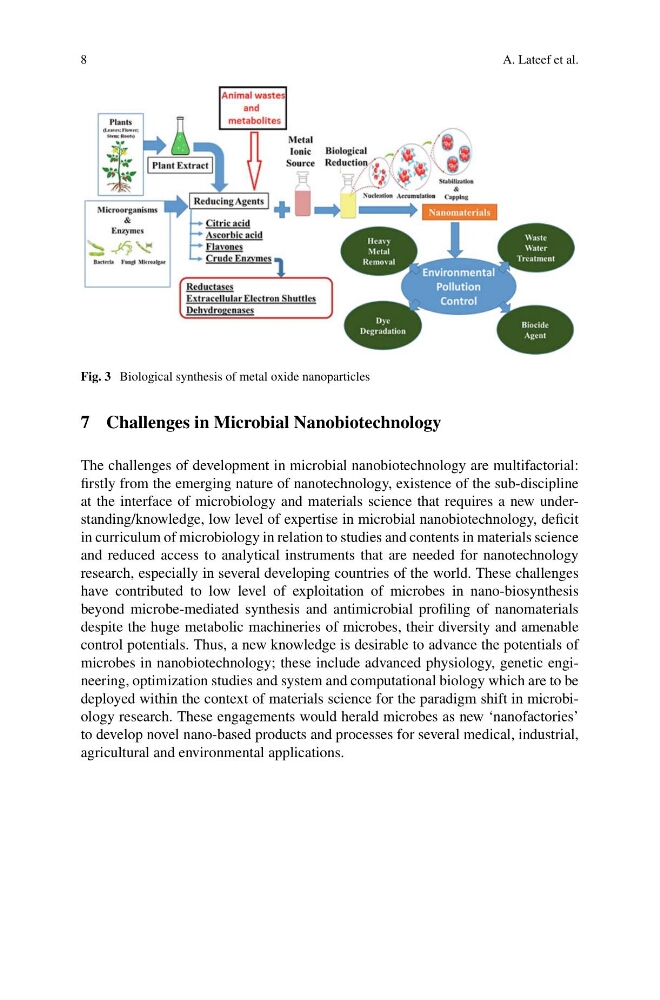
Fig. 3 Biological synthesis of metal oxide nanoparticles
7 Challenges in Microbial Nanobiotechnology
The challenges of development in microbial nanobiotechnology are multifactorial:
firstly from the emerging nature of nanotechnology, existence of the sub-discipline
at the interface of microbiology and materials science that requires a new understanding/knowledge, low level of expertise in microbial nanobiotechnology, deficit
in curriculum of microbiology in relation to studies and contents in materials science
and reduced access to analytical instruments that are needed for nanotechnology
research, especially in several developing countries of the world. These challenges
have contributed to low level of exploitation of microbes in nano-biosynthesis
beyond microbe-mediated synthesis and antimicrobial profiling of nanomaterials
despite the huge metabolic machineries of microbes, their diversity and amenable
control potentials. Thus, a new knowledge is desirable to advance the potentials of
microbes in nanobiotechnology; these include advanced physiology, genetic engineering, optimization studies and system and computational biology which are to be
deployed within the context of materials science for the paradigm shift in microbiology research. These engagements would herald microbes as new ‘nanofactories’
to develop novel nano-based products and processes for several medical, industrial,
agricultural and environmental applications.
A. Lateef et al.
Fig. 3 Biological synthesis of metal oxide nanoparticles
7 Challenges in Microbial Nanobiotechnology
The challenges of development in microbial nanobiotechnology are multifactorial:
firstly from the emerging nature of nanotechnology, existence of the sub-discipline
at the interface of microbiology and materials science that requires a new understanding/knowledge, low level of expertise in microbial nanobiotechnology, deficit
in curriculum of microbiology in relation to studies and contents in materials science
and reduced access to analytical instruments that are needed for nanotechnology
research, especially in several developing countries of the world. These challenges
have contributed to low level of exploitation of microbes in nano-biosynthesis
beyond microbe-mediated synthesis and antimicrobial profiling of nanomaterials
despite the huge metabolic machineries of microbes, their diversity and amenable
control potentials. Thus, a new knowledge is desirable to advance the potentials of
microbes in nanobiotechnology; these include advanced physiology, genetic engineering, optimization studies and system and computational biology which are to be
deployed within the context of materials science for the paradigm shift in microbiology research. These engagements would herald microbes as new ‘nanofactories’
to develop novel nano-based products and processes for several medical, industrial,
agricultural and environmental applications.