

87
Solid electrolytes are highly sought after, but common solids are often not particularly good ion conductors with some well-known exceptions such as α-silver
iodide, which conducts silver ions very efficiently [1]. Ionic solids typically work
via transport of ions through crystalline point defects (i.e. Schottky) or dislocation
defects (i.e. Frenkel). However, these solid materials are lacking in flexibility and
are difficult to integrate with the electrodes. Instead, attention has turned to high
dielectric constant polymers that coordinate and solvate ions, hence behaving as a
solid solvent for these ions, analogous to ions in solution. Both dry and solventincorporated versions have been developed, and each is important in different ways,
depending on the temperature and conditions of operation. Polymeric materials
offer the ability to form solid films, and can contain amorphous groups that allow
for liquid-like movement and solvation of ions, provide robustness and longevity,
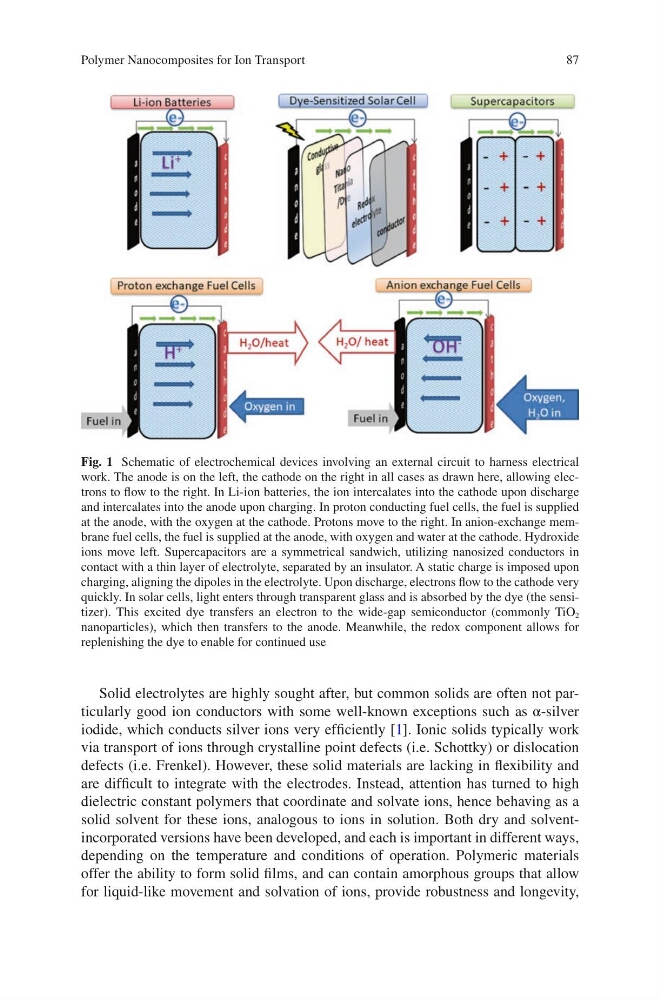
Fig. 1 Schematic of electrochemical devices involving an external circuit to harness electrical
work. The anode is on the left, the cathode on the right in all cases as drawn here, allowing electrons to flow to the right. In Li-ion batteries, the ion intercalates into the cathode upon discharge
and intercalates into the anode upon charging. In proton conducting fuel cells, the fuel is supplied
at the anode, with the oxygen at the cathode. Protons move to the right. In anion-exchange membrane fuel cells, the fuel is supplied at the anode, with oxygen and water at the cathode. Hydroxide
ions move left. Supercapacitors are a symmetrical sandwich, utilizing nanosized conductors in
contact with a thin layer of electrolyte, separated by an insulator. A static charge is imposed upon
charging, aligning the dipoles in the electrolyte. Upon discharge, electrons flow to the cathode very
quickly. In solar cells, light enters through transparent glass and is absorbed by the dye (the sensitizer). This excited dye transfers an electron to the wide-gap semiconductor (commonly TiO 2
nanoparticles), which then transfers to the anode. Meanwhile, the redox component allows for
replenishing the dye to enable for continued use
Polymer Nanocomposites for Ion Transport
Solid electrolytes are highly sought after, but common solids are often not particularly good ion conductors with some well-known exceptions such as α-silver
iodide, which conducts silver ions very efficiently [1]. Ionic solids typically work
via transport of ions through crystalline point defects (i.e. Schottky) or dislocation
defects (i.e. Frenkel). However, these solid materials are lacking in flexibility and
are difficult to integrate with the electrodes. Instead, attention has turned to high
dielectric constant polymers that coordinate and solvate ions, hence behaving as a
solid solvent for these ions, analogous to ions in solution. Both dry and solventincorporated versions have been developed, and each is important in different ways,
depending on the temperature and conditions of operation. Polymeric materials
offer the ability to form solid films, and can contain amorphous groups that allow
for liquid-like movement and solvation of ions, provide robustness and longevity,
Fig. 1 Schematic of electrochemical devices involving an external circuit to harness electrical
work. The anode is on the left, the cathode on the right in all cases as drawn here, allowing electrons to flow to the right. In Li-ion batteries, the ion intercalates into the cathode upon discharge
and intercalates into the anode upon charging. In proton conducting fuel cells, the fuel is supplied
at the anode, with the oxygen at the cathode. Protons move to the right. In anion-exchange membrane fuel cells, the fuel is supplied at the anode, with oxygen and water at the cathode. Hydroxide
ions move left. Supercapacitors are a symmetrical sandwich, utilizing nanosized conductors in
contact with a thin layer of electrolyte, separated by an insulator. A static charge is imposed upon
charging, aligning the dipoles in the electrolyte. Upon discharge, electrons flow to the cathode very
quickly. In solar cells, light enters through transparent glass and is absorbed by the dye (the sensitizer). This excited dye transfers an electron to the wide-gap semiconductor (commonly TiO 2
nanoparticles), which then transfers to the anode. Meanwhile, the redox component allows for
replenishing the dye to enable for continued use
Polymer Nanocomposites for Ion Transport