

19
if zinc migrates to the cathode it forms ZnMn 2 O 4 that kills the cathode [19, 99].
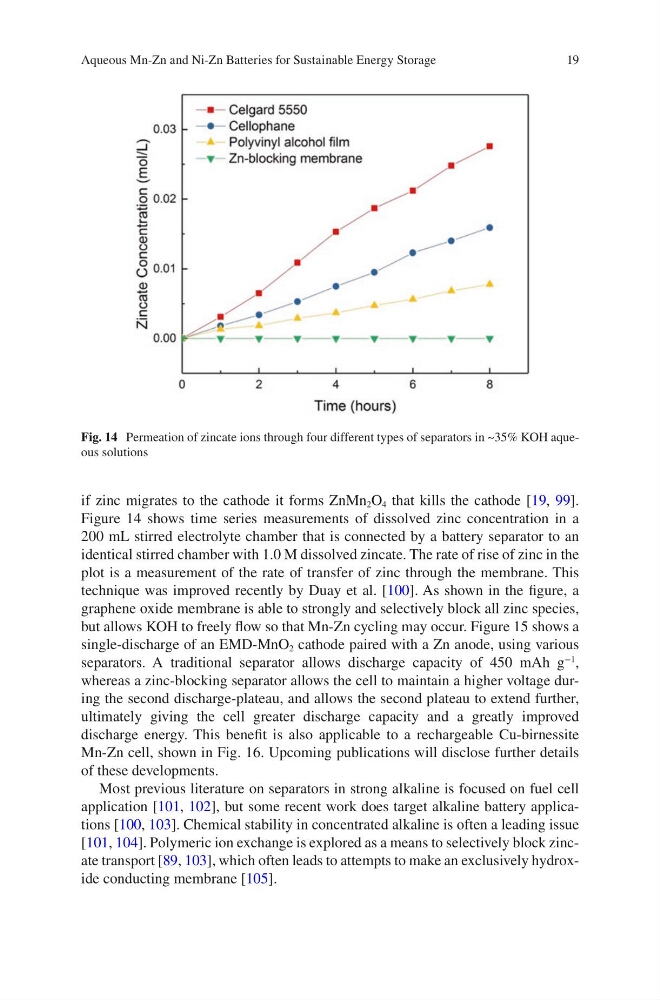
Figure 14 shows time series measurements of dissolved zinc concentration in a
200 mL stirred electrolyte chamber that is connected by a battery separator to an
identical stirred chamber with 1.0 M dissolved zincate. The rate of rise of zinc in the
plot is a measurement of the rate of transfer of zinc through the membrane. This
technique was improved recently by Duay et al. [100]. As shown in the figure, a
graphene oxide membrane is able to strongly and selectively block all zinc species,
but allows KOH to freely flow so that Mn-Zn cycling may occur. Figure 15 shows a
single-discharge of an EMD-MnO 2 cathode paired with a Zn anode, using various
separators. A traditional separator allows discharge capacity of 450 mAh g
−1
,
whereas a zinc-blocking separator allows the cell to maintain a higher voltage during the second discharge-plateau, and allows the second plateau to extend further,
ultimately giving the cell greater discharge capacity and a greatly improved
discharge energy. This benefit is also applicable to a rechargeable Cu-birnessite
Mn-Zn cell, shown in Fig. 16. Upcoming publications will disclose further details
of these developments.
Most previous literature on separators in strong alkaline is focused on fuel cell
application [101, 102], but some recent work does target alkaline battery applications [100, 103]. Chemical stability in concentrated alkaline is often a leading issue
[101, 104]. Polymeric ion exchange is explored as a means to selectively block zincate transport [89, 103], which often leads to attempts to make an exclusively hydroxide conducting membrane [105].
Fig. 14 Permeation of zincate ions through four different types of separators in ~35% KOH aqueous solutions
Aqueous Mn-Zn and Ni-Zn Batteries for Sustainable Energy Storage
if zinc migrates to the cathode it forms ZnMn 2 O 4 that kills the cathode [19, 99].
Figure 14 shows time series measurements of dissolved zinc concentration in a
200 mL stirred electrolyte chamber that is connected by a battery separator to an
identical stirred chamber with 1.0 M dissolved zincate. The rate of rise of zinc in the
plot is a measurement of the rate of transfer of zinc through the membrane. This
technique was improved recently by Duay et al. [100]. As shown in the figure, a
graphene oxide membrane is able to strongly and selectively block all zinc species,
but allows KOH to freely flow so that Mn-Zn cycling may occur. Figure 15 shows a
single-discharge of an EMD-MnO 2 cathode paired with a Zn anode, using various
separators. A traditional separator allows discharge capacity of 450 mAh g
−1
,
whereas a zinc-blocking separator allows the cell to maintain a higher voltage during the second discharge-plateau, and allows the second plateau to extend further,
ultimately giving the cell greater discharge capacity and a greatly improved
discharge energy. This benefit is also applicable to a rechargeable Cu-birnessite
Mn-Zn cell, shown in Fig. 16. Upcoming publications will disclose further details
of these developments.
Most previous literature on separators in strong alkaline is focused on fuel cell
application [101, 102], but some recent work does target alkaline battery applications [100, 103]. Chemical stability in concentrated alkaline is often a leading issue
[101, 104]. Polymeric ion exchange is explored as a means to selectively block zincate transport [89, 103], which often leads to attempts to make an exclusively hydroxide conducting membrane [105].
Fig. 14 Permeation of zincate ions through four different types of separators in ~35% KOH aqueous solutions
Aqueous Mn-Zn and Ni-Zn Batteries for Sustainable Energy Storage