

Extensive urbanization of floodplains and conversion of wetlands were identified as
critical anthropogenic drivers of extensive damage due to 2014 extreme flooding in
Kashmir (Romshoo et al. 2018). With the capacity of treating sewage limited to
only 31% of total generation (ENVIS 2019), pollution of wetlands is rampant.
Wetlands are also degraded due to fragmentation of hydrological regimes, excessive siltation, encroachment, invasive species, unregulated tourism and overharvesting of wetland resources (MoEFCC 2019), although the intensity of drivers of
change varies in different biogeographic zones.
Wetlands are managed for their wise use—sustainable utilization for the benefit
of humankind in a way compatible with the maintenance of natural properties of the
ecosystem (Finlayson et al. 2011). Wetlands evolve and function within physical
templates set by water regimes and sediments (Ramsar 2010a). Treating water as a
commodity and resource delivered through physical infrastructure as dams, pumps
and pipes for various human usages (domestic, industrial or agricultural) obfuscates
the fact that water is a component of healthy, functional ecosystems such as wetlands. Several water resource development projects have, thereby, led to degradation of wetlands by altering flow patterns, reducing water availability and
deteriorating water quality, ultimately rendering the entire water management goal
unsustainable. The delivery of hydrological functions is contingent on the availability of water of right quantity and quality and at the right time, thus necessitating
that wetland functioning is integrated into water resources planning and
decision-making processes (McCartney and Acreman 2009). Similarly, wetland
managers need to articulate the water needs of wetlands to water managers and
ways wetlands can help meet overall water resources management objectives.
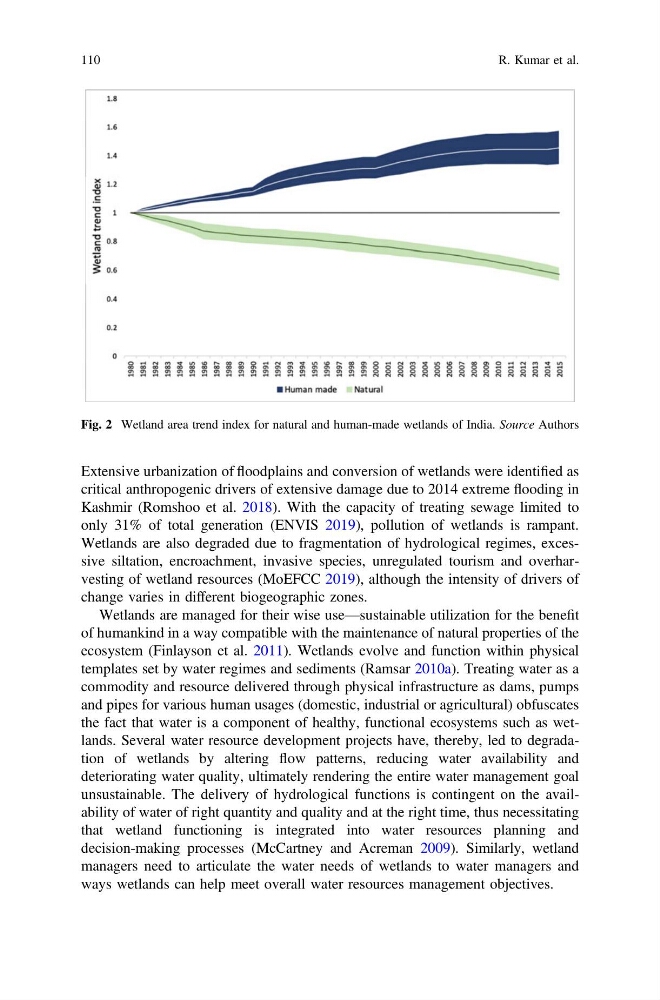
Fig. 2 Wetland area trend index for natural and human-made wetlands of India. Source Authors
110
R. Kumar et al.
critical anthropogenic drivers of extensive damage due to 2014 extreme flooding in
Kashmir (Romshoo et al. 2018). With the capacity of treating sewage limited to
only 31% of total generation (ENVIS 2019), pollution of wetlands is rampant.
Wetlands are also degraded due to fragmentation of hydrological regimes, excessive siltation, encroachment, invasive species, unregulated tourism and overharvesting of wetland resources (MoEFCC 2019), although the intensity of drivers of
change varies in different biogeographic zones.
Wetlands are managed for their wise use—sustainable utilization for the benefit
of humankind in a way compatible with the maintenance of natural properties of the
ecosystem (Finlayson et al. 2011). Wetlands evolve and function within physical
templates set by water regimes and sediments (Ramsar 2010a). Treating water as a
commodity and resource delivered through physical infrastructure as dams, pumps
and pipes for various human usages (domestic, industrial or agricultural) obfuscates
the fact that water is a component of healthy, functional ecosystems such as wetlands. Several water resource development projects have, thereby, led to degradation of wetlands by altering flow patterns, reducing water availability and
deteriorating water quality, ultimately rendering the entire water management goal
unsustainable. The delivery of hydrological functions is contingent on the availability of water of right quantity and quality and at the right time, thus necessitating
that wetland functioning is integrated into water resources planning and
decision-making processes (McCartney and Acreman 2009). Similarly, wetland
managers need to articulate the water needs of wetlands to water managers and
ways wetlands can help meet overall water resources management objectives.
Fig. 2 Wetland area trend index for natural and human-made wetlands of India. Source Authors
110
R. Kumar et al.