

swimmers, nor any of the usual boats at sea. A police rescue dinghy duly went out
across the sea to warn possible swimmers or fishermen, while police vans drove on
the coastal road from the police station towards the furthest of the hotels. Meanwhile,
some residents had been assembled at specific places – probably, there had been
some previous door-to-door communication, out of the notice boards – where
policemen would guide them to safety.
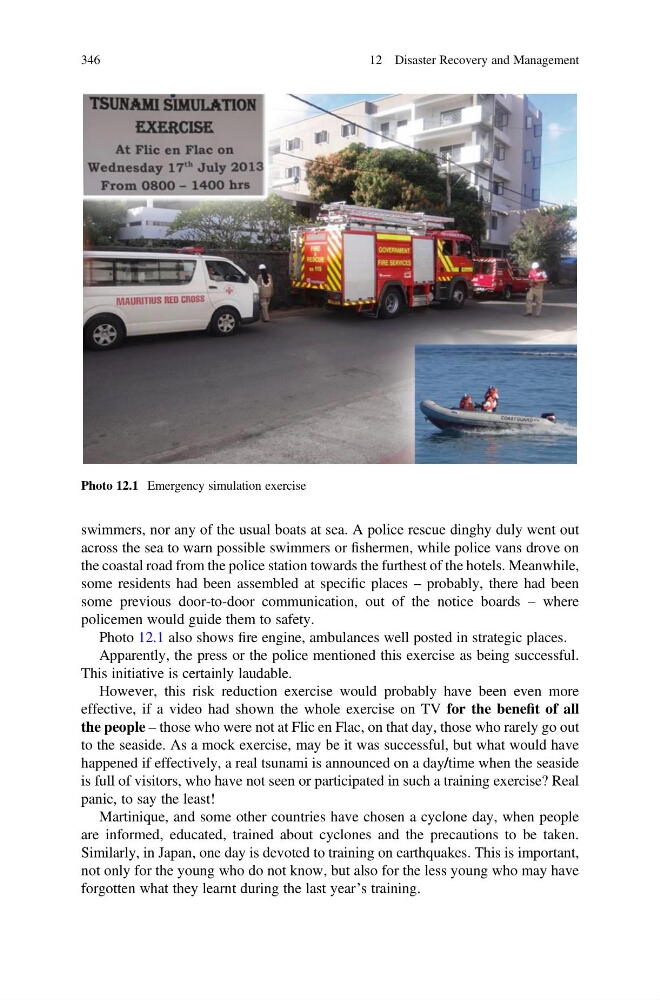
Photo 12.1 also shows fire engine, ambulances well posted in strategic places.
Apparently, the press or the police mentioned this exercise as being successful.
This initiative is certainly laudable.
However, this risk reduction exercise would probably have been even more
effective, if a video had shown the whole exercise on TV for the benefit of all
the people – those who were not at Flic en Flac, on that day, those who rarely go out
to the seaside. As a mock exercise, may be it was successful, but what would have
happened if effectively, a real tsunami is announced on a day/time when the seaside
is full of visitors, who have not seen or participated in such a training exercise? Real
panic, to say the least!
Martinique, and some other countries have chosen a cyclone day, when people
are informed, educated, trained about cyclones and the precautions to be taken.
Similarly, in Japan, one day is devoted to training on earthquakes. This is important,
not only for the young who do not know, but also for the less young who may have
forgotten what they learnt during the last year’s training.
Photo 12.1 Emergency simulation exercise
346
12 Disaster Recovery and Management
across the sea to warn possible swimmers or fishermen, while police vans drove on
the coastal road from the police station towards the furthest of the hotels. Meanwhile,
some residents had been assembled at specific places – probably, there had been
some previous door-to-door communication, out of the notice boards – where
policemen would guide them to safety.
Photo 12.1 also shows fire engine, ambulances well posted in strategic places.
Apparently, the press or the police mentioned this exercise as being successful.
This initiative is certainly laudable.
However, this risk reduction exercise would probably have been even more
effective, if a video had shown the whole exercise on TV for the benefit of all
the people – those who were not at Flic en Flac, on that day, those who rarely go out
to the seaside. As a mock exercise, may be it was successful, but what would have
happened if effectively, a real tsunami is announced on a day/time when the seaside
is full of visitors, who have not seen or participated in such a training exercise? Real
panic, to say the least!
Martinique, and some other countries have chosen a cyclone day, when people
are informed, educated, trained about cyclones and the precautions to be taken.
Similarly, in Japan, one day is devoted to training on earthquakes. This is important,
not only for the young who do not know, but also for the less young who may have
forgotten what they learnt during the last year’s training.
Photo 12.1 Emergency simulation exercise
346
12 Disaster Recovery and Management