

there are additional heavy rains during the year. The same heavy rains also
recharge the aquifers. Unless pumping is carried out, the ground water will
certainly travel towards the sea. One idea has been to carry out intensive
pumping during the rainy period. This enables extracting a maximum amount
of water from underground. As the consumer receives water from the network,
less water needs to be extracted from the reservoirs. This leads to saving the
equivalent amount of water in the reservoirs.
(c) Installing a standby generator, with an automatic start in case of electricity
supply breakdown increases the resilience of the network, Without a generator,
the pumping operation is completely dependent on availability of electricity
from the grid. With the standby generator, as soon as there is a power cut, the
generator comes into operation (sometimes, there is a waiting time of a few
minutes, in case the grid comes on again) thus powering the pump. Even when
the grid comes again into operation, the generator keeps running for some
10-15 min, in case there is a grid power cut again. One precaution to be taken
is to keep the fuel tank of the generator always full. It would be foolish to have a
standby generator, with an empty fuel tank. This is part of the regular maintenance exercise (see also Chap. 20).
(d) Interconnecting different networks: For geographical and historical reasons, the
water supply network developed into several independent sub-networks or
systems. However, droughts in the past have driven home the necessity of
possible interconnections. Gradually, a few interconnections have been made,
so that should a water system be subject to a reduced supply for various reasons,
there is a possibility of mitigating the shortfall through a connection from
another system.
Thus, the overall water network has acquired a certain degree of increased
resilience which helps in supplying water to the consumers satisfactorily during
the whole year.
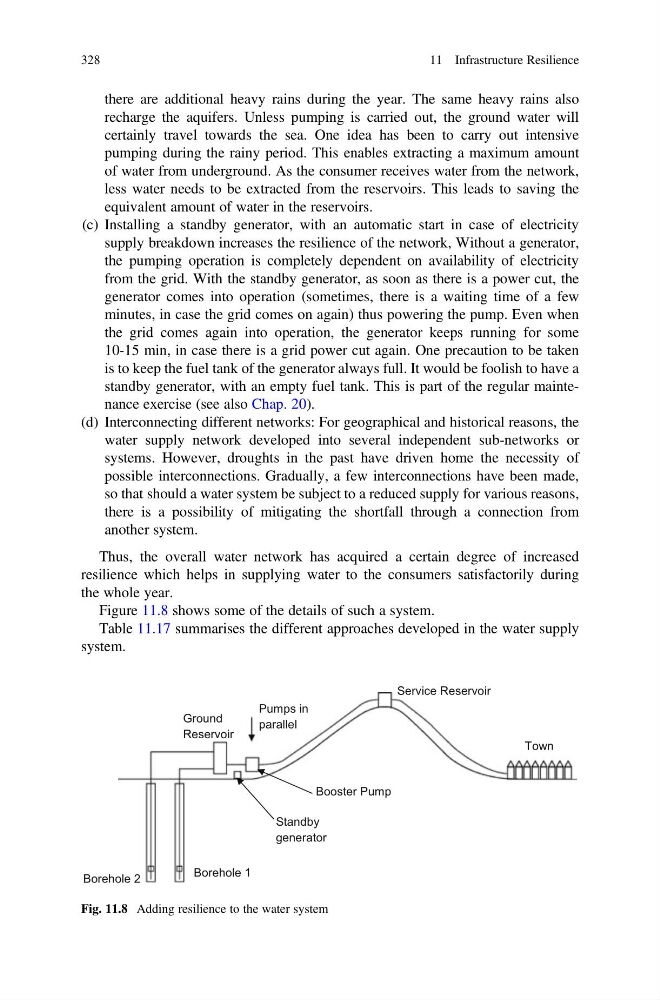
Figure 11.8 shows some of the details of such a system.
Table 11.17 summarises the different approaches developed in the water supply
system.
Pumps in
parallel
Standby
generator
Service Reservoir
Town
Ground
Reservoir
Booster Pump
Borehole 1
Borehole 2
Fig. 11.8 Adding resilience to the water system
328
11 Infrastructure Resilience
recharge the aquifers. Unless pumping is carried out, the ground water will
certainly travel towards the sea. One idea has been to carry out intensive
pumping during the rainy period. This enables extracting a maximum amount
of water from underground. As the consumer receives water from the network,
less water needs to be extracted from the reservoirs. This leads to saving the
equivalent amount of water in the reservoirs.
(c) Installing a standby generator, with an automatic start in case of electricity
supply breakdown increases the resilience of the network, Without a generator,
the pumping operation is completely dependent on availability of electricity
from the grid. With the standby generator, as soon as there is a power cut, the
generator comes into operation (sometimes, there is a waiting time of a few
minutes, in case the grid comes on again) thus powering the pump. Even when
the grid comes again into operation, the generator keeps running for some
10-15 min, in case there is a grid power cut again. One precaution to be taken
is to keep the fuel tank of the generator always full. It would be foolish to have a
standby generator, with an empty fuel tank. This is part of the regular maintenance exercise (see also Chap. 20).
(d) Interconnecting different networks: For geographical and historical reasons, the
water supply network developed into several independent sub-networks or
systems. However, droughts in the past have driven home the necessity of
possible interconnections. Gradually, a few interconnections have been made,
so that should a water system be subject to a reduced supply for various reasons,
there is a possibility of mitigating the shortfall through a connection from
another system.
Thus, the overall water network has acquired a certain degree of increased
resilience which helps in supplying water to the consumers satisfactorily during
the whole year.
Figure 11.8 shows some of the details of such a system.
Table 11.17 summarises the different approaches developed in the water supply
system.
Pumps in
parallel
Standby
generator
Service Reservoir
Town
Ground
Reservoir
Booster Pump
Borehole 1
Borehole 2
Fig. 11.8 Adding resilience to the water system
328
11 Infrastructure Resilience