

Water supplies for irrigation can be obtained from three sources:
1. Directly from river flow by diversion canals.
2. Storage of flood-waters (rivers and rain water).
3. From water underground through boreholes.
The availability of supplies from these three sources varies in different parts of the
country, according to physical presence and the cost of exploiting them.
However, two criteria need to be met before irrigation can be practised: (1) an
adequately large availability of water of the proper quality; this requires the right
(geology, water supply, topography, etc.) conditions an impounding reservoir, and
(2) distributing the water economically through proper pipes and canals to the
cultivated area.
Water passing through hydro turbines usually go back to the same river course
from which it was abstracted – it is then sometimes possible for the same water to be
used several times, depending on topography, for several generating stations to
operate along the same river – or sometimes diverted to another river valley, at a
level lower than the exiting tail race water. In other cases, suitable water works
combinations provide that the exiting tail race water is used for say, irrigation or
domestic water supply.
To summarise, the whole problem lies in proposing development schemes which
can consider the following parameters:
(a) the extra production and yield obtainable from new crops and methods;
Category
Details
Category
Details
Agriculture
Industry
Buildings
RecreaƟon
CommunicaƟon
Tourism
EducaƟon
TransportaƟon
Energy
Health
Waste
Management
Housing
Water
Wastewater
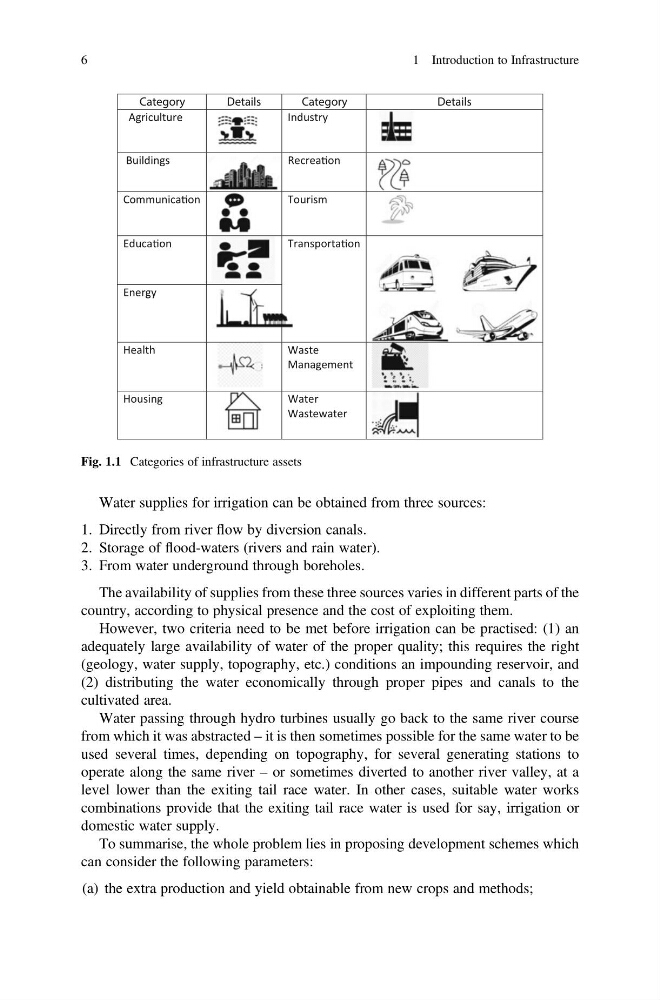
Fig. 1.1 Categories of infrastructure assets
6
1 Introduction to Infrastructure
1. Directly from river flow by diversion canals.
2. Storage of flood-waters (rivers and rain water).
3. From water underground through boreholes.
The availability of supplies from these three sources varies in different parts of the
country, according to physical presence and the cost of exploiting them.
However, two criteria need to be met before irrigation can be practised: (1) an
adequately large availability of water of the proper quality; this requires the right
(geology, water supply, topography, etc.) conditions an impounding reservoir, and
(2) distributing the water economically through proper pipes and canals to the
cultivated area.
Water passing through hydro turbines usually go back to the same river course
from which it was abstracted – it is then sometimes possible for the same water to be
used several times, depending on topography, for several generating stations to
operate along the same river – or sometimes diverted to another river valley, at a
level lower than the exiting tail race water. In other cases, suitable water works
combinations provide that the exiting tail race water is used for say, irrigation or
domestic water supply.
To summarise, the whole problem lies in proposing development schemes which
can consider the following parameters:
(a) the extra production and yield obtainable from new crops and methods;
Category
Details
Category
Details
Agriculture
Industry
Buildings
RecreaƟon
CommunicaƟon
Tourism
EducaƟon
TransportaƟon
Energy
Health
Waste
Management
Housing
Water
Wastewater
Fig. 1.1 Categories of infrastructure assets
6
1 Introduction to Infrastructure