

1 3
Topics in Current Chemistry (2020) 378:15
their exceptional cell transfection capabilities [163, 164]. Hopeful studies have been
reported to treat some of the most devastating pathologies nowadays, like cancer
and neurodegenerative diseases, with CNT-based therapies using them either as
drug carrier and delivery systems or taking advantage of nanotube physicochemical
properties.
4.2.1 Cancer Treatment
Nowadays, the main challenge of cancer therapies relies on the preparation of
smart carriers able to accurately target the tumoral cells and to perform a controlled release of the therapeutic drug in response to the tumor microenvironment
properties. The classic approach of nanotubes for cancer treatment is based on the
transport and delivery of chemotherapeutic drugs that suffers from systemic toxicity, narrow therapeutic window, drug resistance, and low cellular penetration. CNTs
provide a unique opportunity to improve the drug delivery to the tumor, enhancing
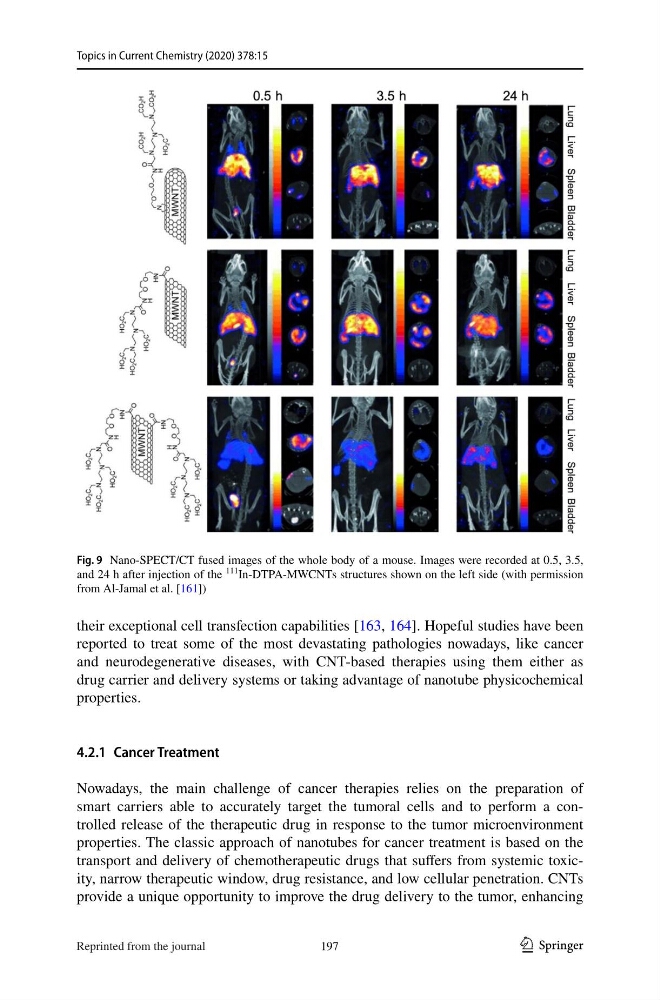
Fig. 9 Nano-SPECT/CT fused images of the whole body of a mouse. Images were recorded at 0.5, 3.5,
and 24 h after injection of the
111
In-DTPA-MWCNTs structures shown on the left side (with permission
from Al-Jamal et al. [161])
197
Reprinted from the journal
Topics in Current Chemistry (2020) 378:15
their exceptional cell transfection capabilities [163, 164]. Hopeful studies have been
reported to treat some of the most devastating pathologies nowadays, like cancer
and neurodegenerative diseases, with CNT-based therapies using them either as
drug carrier and delivery systems or taking advantage of nanotube physicochemical
properties.
4.2.1 Cancer Treatment
Nowadays, the main challenge of cancer therapies relies on the preparation of
smart carriers able to accurately target the tumoral cells and to perform a controlled release of the therapeutic drug in response to the tumor microenvironment
properties. The classic approach of nanotubes for cancer treatment is based on the
transport and delivery of chemotherapeutic drugs that suffers from systemic toxicity, narrow therapeutic window, drug resistance, and low cellular penetration. CNTs
provide a unique opportunity to improve the drug delivery to the tumor, enhancing
Fig. 9 Nano-SPECT/CT fused images of the whole body of a mouse. Images were recorded at 0.5, 3.5,
and 24 h after injection of the
111
In-DTPA-MWCNTs structures shown on the left side (with permission
from Al-Jamal et al. [161])
197
Reprinted from the journal