

Theoretical Approach to Homogeneous Catalyst of Methane …
163
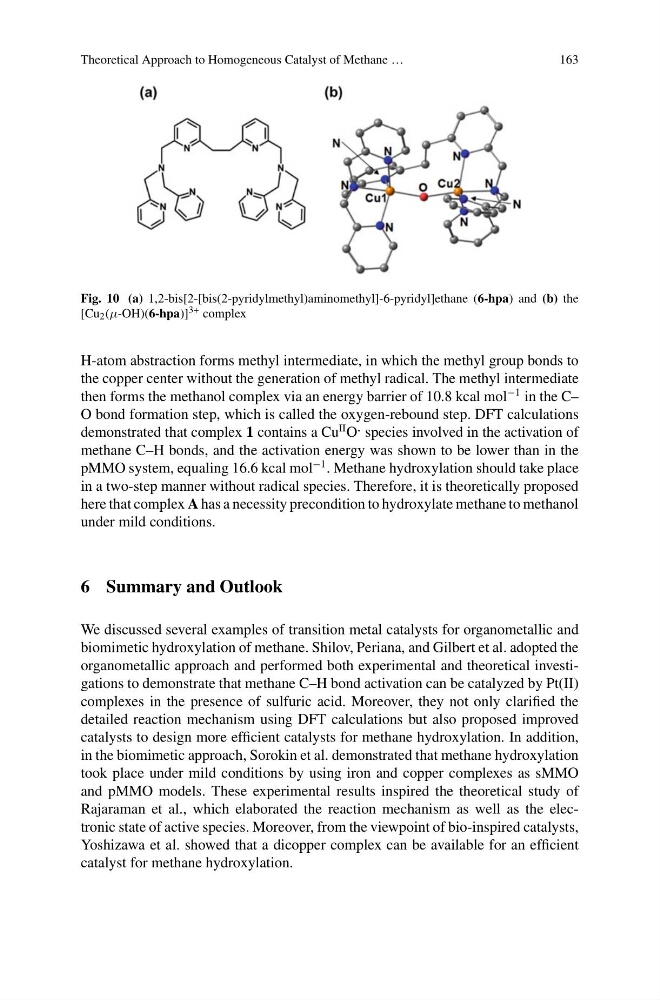
Fig. 10 (a) 1,2-bis[2-[bis(2-pyridylmethyl)aminomethyl]-6-pyridyl]ethane (6-hpa) and (b) the
[Cu 2 (μ-OH)(6-hpa)] 3+ complex
H-atom abstraction forms methyl intermediate, in which the methyl group bonds to
the copper center without the generation of methyl radical. The methyl intermediate
then forms the methanol complex via an energy barrier of 10.8 kcal mol
−1 in the C–
O bond formation step, which is called the oxygen-rebound step. DFT calculations
demonstrated that complex 1 contains a Cu
II O · species involved in the activation of
methane C–H bonds, and the activation energy was shown to be lower than in the
pMMO system, equaling 16.6 kcal mol
−1 . Methane hydroxylation should take place
in a two-step manner without radical species. Therefore, it is theoretically proposed
here that complex A has a necessity precondition to hydroxylate methane to methanol
under mild conditions.
6 Summary and Outlook
We discussed several examples of transition metal catalysts for organometallic and
biomimetic hydroxylation of methane. Shilov, Periana, and Gilbert et al. adopted the
organometallic approach and performed both experimental and theoretical investigations to demonstrate that methane C–H bond activation can be catalyzed by Pt(II)
complexes in the presence of sulfuric acid. Moreover, they not only clarified the
detailed reaction mechanism using DFT calculations but also proposed improved
catalysts to design more efficient catalysts for methane hydroxylation. In addition,
in the biomimetic approach, Sorokin et al. demonstrated that methane hydroxylation
took place under mild conditions by using iron and copper complexes as sMMO
and pMMO models. These experimental results inspired the theoretical study of
Rajaraman et al., which elaborated the reaction mechanism as well as the electronic state of active species. Moreover, from the viewpoint of bio-inspired catalysts,
Yoshizawa et al. showed that a dicopper complex can be available for an efficient
catalyst for methane hydroxylation.
163
Fig. 10 (a) 1,2-bis[2-[bis(2-pyridylmethyl)aminomethyl]-6-pyridyl]ethane (6-hpa) and (b) the
[Cu 2 (μ-OH)(6-hpa)] 3+ complex
H-atom abstraction forms methyl intermediate, in which the methyl group bonds to
the copper center without the generation of methyl radical. The methyl intermediate
then forms the methanol complex via an energy barrier of 10.8 kcal mol
−1 in the C–
O bond formation step, which is called the oxygen-rebound step. DFT calculations
demonstrated that complex 1 contains a Cu
II O · species involved in the activation of
methane C–H bonds, and the activation energy was shown to be lower than in the
pMMO system, equaling 16.6 kcal mol
−1 . Methane hydroxylation should take place
in a two-step manner without radical species. Therefore, it is theoretically proposed
here that complex A has a necessity precondition to hydroxylate methane to methanol
under mild conditions.
6 Summary and Outlook
We discussed several examples of transition metal catalysts for organometallic and
biomimetic hydroxylation of methane. Shilov, Periana, and Gilbert et al. adopted the
organometallic approach and performed both experimental and theoretical investigations to demonstrate that methane C–H bond activation can be catalyzed by Pt(II)
complexes in the presence of sulfuric acid. Moreover, they not only clarified the
detailed reaction mechanism using DFT calculations but also proposed improved
catalysts to design more efficient catalysts for methane hydroxylation. In addition,
in the biomimetic approach, Sorokin et al. demonstrated that methane hydroxylation
took place under mild conditions by using iron and copper complexes as sMMO
and pMMO models. These experimental results inspired the theoretical study of
Rajaraman et al., which elaborated the reaction mechanism as well as the electronic state of active species. Moreover, from the viewpoint of bio-inspired catalysts,
Yoshizawa et al. showed that a dicopper complex can be available for an efficient
catalyst for methane hydroxylation.