

weight as they were converted to phosphorus and sulphur oxides (referred to as
phosphoric and sulphuric acid, respectively, by Lavoisier). To conclude that the
weight increase actually matched the weight decrease of the air took longer to
establish. Phosphorus(V) oxide is highly hygroscopic and is deposited as a fine
powder after the combustion. Sulphur dioxide is a gas and even more difficult to
collect for weighing. Lavoisier realised the significance of this discovery, and
realised that it could overthrow the phlogiston theory. Rather than giving off
phlogiston, burning sulphur absorbed air. To secure his priority to this historical
discovery, Lavoisier deposited a sealed note with the Académie des Sciences in
Paris. This note read:
It is about eight days since I discovered that sulphur while burning, far from losing weight,
instead gained some, that is to say that from a pound of sulphur one could get much more
than a pound of vitriolic acid, setting aside the humidity of the air. It is the same with
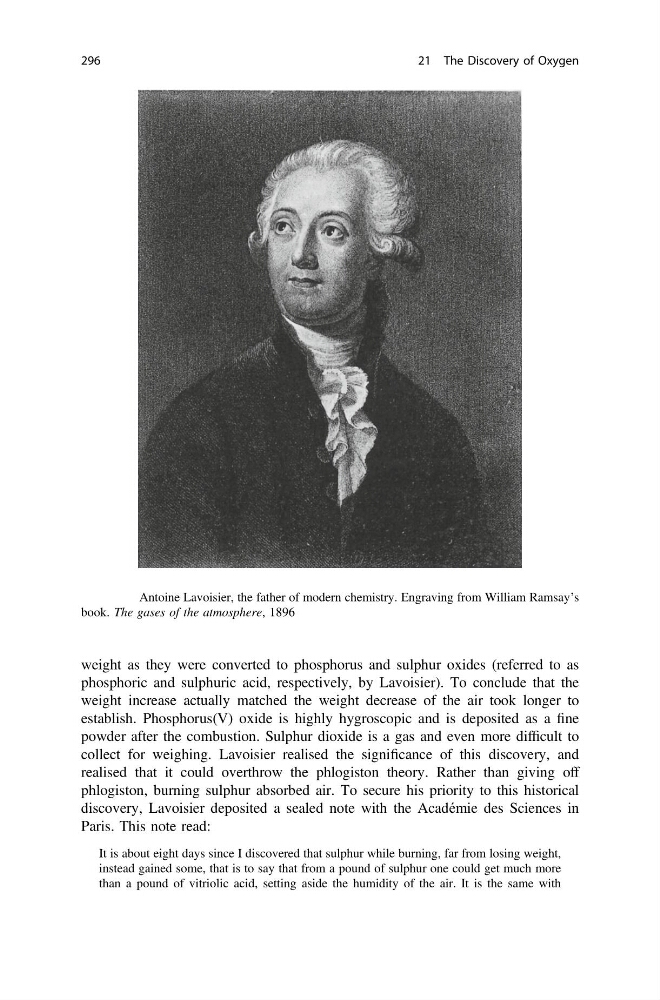
Fig. 21.7 Antoine Lavoisier, the father of modern chemistry. Engraving from William Ramsay’s
book. The gases of the atmosphere, 1896
296
21 The Discovery of Oxygen
phosphoric and sulphuric acid, respectively, by Lavoisier). To conclude that the
weight increase actually matched the weight decrease of the air took longer to
establish. Phosphorus(V) oxide is highly hygroscopic and is deposited as a fine
powder after the combustion. Sulphur dioxide is a gas and even more difficult to
collect for weighing. Lavoisier realised the significance of this discovery, and
realised that it could overthrow the phlogiston theory. Rather than giving off
phlogiston, burning sulphur absorbed air. To secure his priority to this historical
discovery, Lavoisier deposited a sealed note with the Académie des Sciences in
Paris. This note read:
It is about eight days since I discovered that sulphur while burning, far from losing weight,
instead gained some, that is to say that from a pound of sulphur one could get much more
than a pound of vitriolic acid, setting aside the humidity of the air. It is the same with
Fig. 21.7 Antoine Lavoisier, the father of modern chemistry. Engraving from William Ramsay’s
book. The gases of the atmosphere, 1896
296
21 The Discovery of Oxygen