

CO 2 (aerial acid) 12 ml (2 Swedish cubic inches)
CaCO 3 (lime saturated with aerial acid) 1.3 g (0.09½ lod)
CaSO 4 ∙ 2H 2 O (selenite or gypsum in crystals) 1.53 g (0.11½ lod)
MgSO 4 ∙ 7H 2 O (bitter salt in crystals) 51.87 g (3.90½ lod)
MgCl 2 ∙ 6H 2 O (hydrochloric acid united with magnesia) 0.73 g (0.05½ lod)
“MgCO 3 ” (Magnesia saturated with aerial acid) 0.4 g (0.03 lod)
The second part of the paper appeared in the subsequent issue, and describes the
artificial production of mineral water [11]. A very important step in the preparation
of artificial mineral water was, according to Bergman, to have pure ingredients.
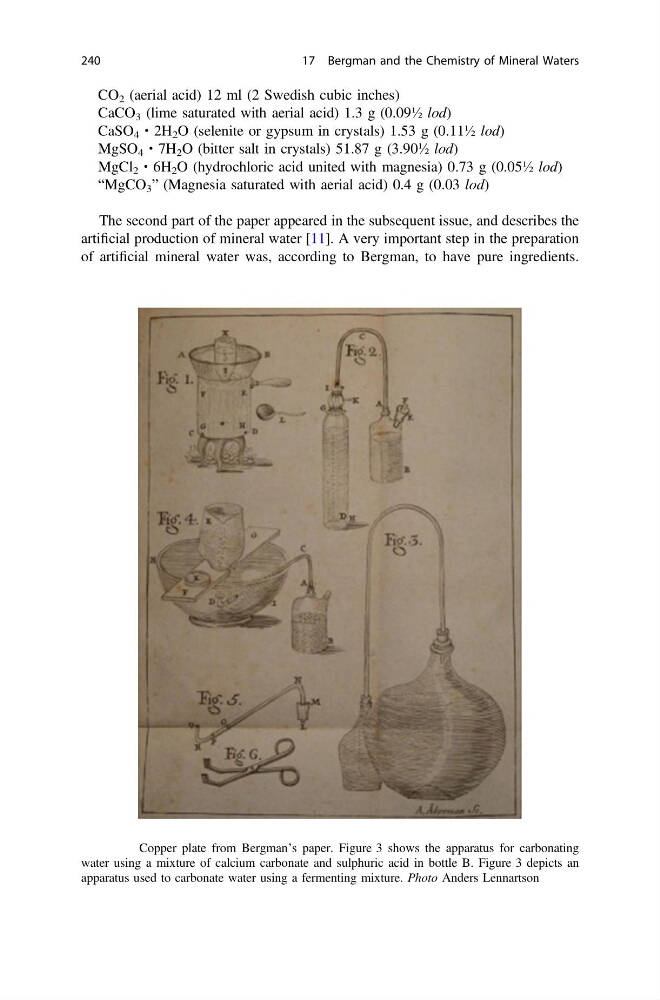
Fig. 17.3 Copper plate from Bergman’s paper. Figure 3 shows the apparatus for carbonating
water using a mixture of calcium carbonate and sulphuric acid in bottle B. Figure 3 depicts an
apparatus used to carbonate water using a fermenting mixture. Photo Anders Lennartson
240
17 Bergman and the Chemistry of Mineral Waters
CaCO 3 (lime saturated with aerial acid) 1.3 g (0.09½ lod)
CaSO 4 ∙ 2H 2 O (selenite or gypsum in crystals) 1.53 g (0.11½ lod)
MgSO 4 ∙ 7H 2 O (bitter salt in crystals) 51.87 g (3.90½ lod)
MgCl 2 ∙ 6H 2 O (hydrochloric acid united with magnesia) 0.73 g (0.05½ lod)
“MgCO 3 ” (Magnesia saturated with aerial acid) 0.4 g (0.03 lod)
The second part of the paper appeared in the subsequent issue, and describes the
artificial production of mineral water [11]. A very important step in the preparation
of artificial mineral water was, according to Bergman, to have pure ingredients.
Fig. 17.3 Copper plate from Bergman’s paper. Figure 3 shows the apparatus for carbonating
water using a mixture of calcium carbonate and sulphuric acid in bottle B. Figure 3 depicts an
apparatus used to carbonate water using a fermenting mixture. Photo Anders Lennartson
240
17 Bergman and the Chemistry of Mineral Waters