

A more in-depth analysis of hydrogen-bonded networks is provided by the
Hydrogen Bond Propensity [155] tool, which, using the knowledge of hydrogen
bonds in the CSD, predicts which donors and acceptors are likely to form hydrogen
bonds in a crystal structure. The approach uses a logistic regression technique to
provide the propensity (or probability) of a potential hydrogen-bonding network and
has a potential application in identifying both likely and unusual hydrogen bonding.
This can help to rationalise stable and metastable crystalline forms and assist in
polymorph prediction.
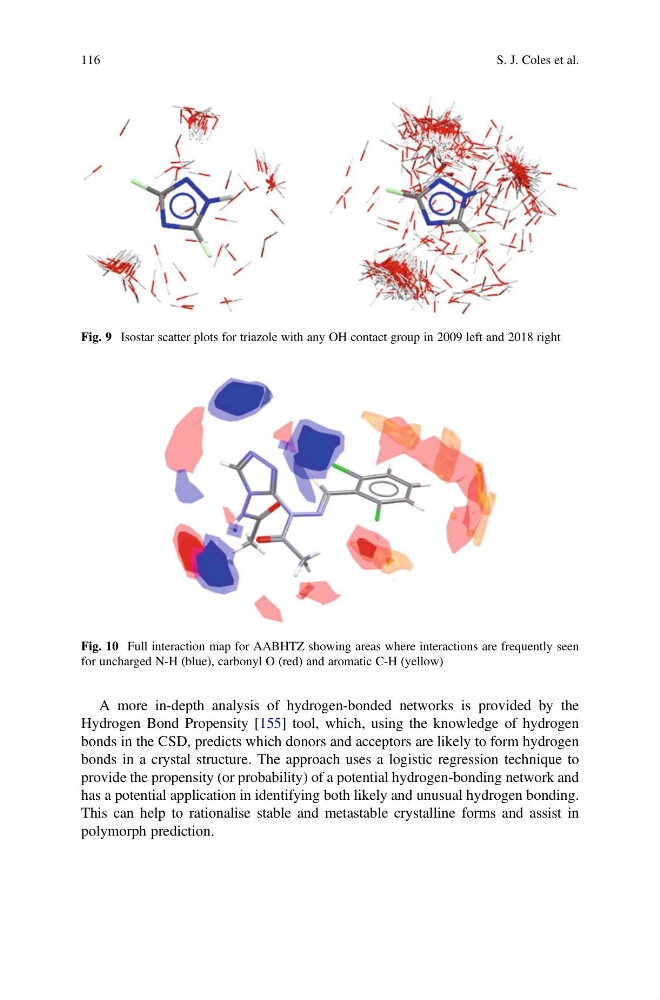
Fig. 10 Full interaction map for AABHTZ showing areas where interactions are frequently seen
for uncharged N-H (blue), carbonyl O (red) and aromatic C-H (yellow)
Fig. 9 Isostar scatter plots for triazole with any OH contact group in 2009 left and 2018 right
116
S. J. Coles et al.
Hydrogen Bond Propensity [155] tool, which, using the knowledge of hydrogen
bonds in the CSD, predicts which donors and acceptors are likely to form hydrogen
bonds in a crystal structure. The approach uses a logistic regression technique to
provide the propensity (or probability) of a potential hydrogen-bonding network and
has a potential application in identifying both likely and unusual hydrogen bonding.
This can help to rationalise stable and metastable crystalline forms and assist in
polymorph prediction.
Fig. 10 Full interaction map for AABHTZ showing areas where interactions are frequently seen
for uncharged N-H (blue), carbonyl O (red) and aromatic C-H (yellow)
Fig. 9 Isostar scatter plots for triazole with any OH contact group in 2009 left and 2018 right
116
S. J. Coles et al.