

82
A. Syidanova et al.
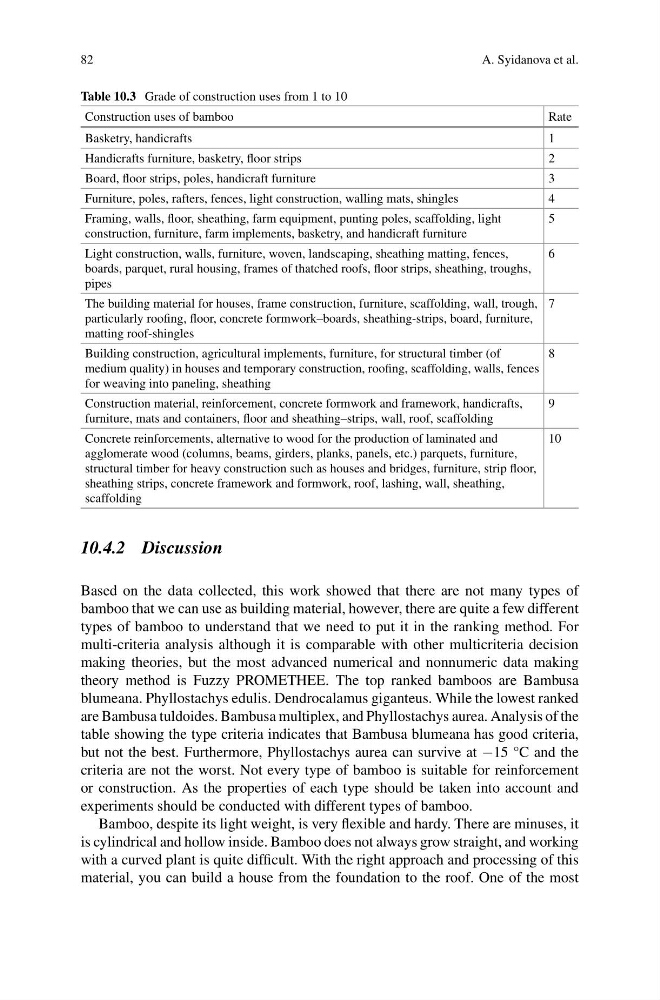
Table 10.3 Grade of construction uses from 1 to 10
Construction uses of bamboo
Rate
Basketry, handicrafts
1
Handicrafts furniture, basketry, floor strips
2
Board, floor strips, poles, handicraft furniture
3
Furniture, poles, rafters, fences, light construction, walling mats, shingles
4
Framing, walls, floor, sheathing, farm equipment, punting poles, scaffolding, light
construction, furniture, farm implements, basketry, and handicraft furniture
5
Light construction, walls, furniture, woven, landscaping, sheathing matting, fences,
boards, parquet, rural housing, frames of thatched roofs, floor strips, sheathing, troughs,
pipes
6
The building material for houses, frame construction, furniture, scaffolding, wall, trough,
particularly roofing, floor, concrete formwork–boards, sheathing-strips, board, furniture,
matting roof-shingles
7
Building construction, agricultural implements, furniture, for structural timber (of
medium quality) in houses and temporary construction, roofing, scaffolding, walls, fences
for weaving into paneling, sheathing
8
Construction material, reinforcement, concrete formwork and framework, handicrafts,
furniture, mats and containers, floor and sheathing–strips, wall, roof, scaffolding
9
Concrete reinforcements, alternative to wood for the production of laminated and
agglomerate wood (columns, beams, girders, planks, panels, etc.) parquets, furniture,
structural timber for heavy construction such as houses and bridges, furniture, strip floor,
sheathing strips, concrete framework and formwork, roof, lashing, wall, sheathing,
scaffolding
10
10.4.2 Discussion
Based on the data collected, this work showed that there are not many types of
bamboo that we can use as building material, however, there are quite a few different
types of bamboo to understand that we need to put it in the ranking method. For
multi-criteria analysis although it is comparable with other multicriteria decision
making theories, but the most advanced numerical and nonnumeric data making
theory method is Fuzzy PROMETHEE. The top ranked bamboos are Bambusa
blumeana. Phyllostachys edulis. Dendrocalamus giganteus. While the lowest ranked
are Bambusa tuldoides. Bambusa multiplex, and Phyllostachys aurea. Analysis of the
table showing the type criteria indicates that Bambusa blumeana has good criteria,
but not the best. Furthermore, Phyllostachys aurea can survive at −15 °C and the
criteria are not the worst. Not every type of bamboo is suitable for reinforcement
or construction. As the properties of each type should be taken into account and
experiments should be conducted with different types of bamboo.
Bamboo, despite its light weight, is very flexible and hardy. There are minuses, it
is cylindrical and hollow inside. Bamboo does not always grow straight, and working
with a curved plant is quite difficult. With the right approach and processing of this
material, you can build a house from the foundation to the roof. One of the most
A. Syidanova et al.
Table 10.3 Grade of construction uses from 1 to 10
Construction uses of bamboo
Rate
Basketry, handicrafts
1
Handicrafts furniture, basketry, floor strips
2
Board, floor strips, poles, handicraft furniture
3
Furniture, poles, rafters, fences, light construction, walling mats, shingles
4
Framing, walls, floor, sheathing, farm equipment, punting poles, scaffolding, light
construction, furniture, farm implements, basketry, and handicraft furniture
5
Light construction, walls, furniture, woven, landscaping, sheathing matting, fences,
boards, parquet, rural housing, frames of thatched roofs, floor strips, sheathing, troughs,
pipes
6
The building material for houses, frame construction, furniture, scaffolding, wall, trough,
particularly roofing, floor, concrete formwork–boards, sheathing-strips, board, furniture,
matting roof-shingles
7
Building construction, agricultural implements, furniture, for structural timber (of
medium quality) in houses and temporary construction, roofing, scaffolding, walls, fences
for weaving into paneling, sheathing
8
Construction material, reinforcement, concrete formwork and framework, handicrafts,
furniture, mats and containers, floor and sheathing–strips, wall, roof, scaffolding
9
Concrete reinforcements, alternative to wood for the production of laminated and
agglomerate wood (columns, beams, girders, planks, panels, etc.) parquets, furniture,
structural timber for heavy construction such as houses and bridges, furniture, strip floor,
sheathing strips, concrete framework and formwork, roof, lashing, wall, sheathing,
scaffolding
10
10.4.2 Discussion
Based on the data collected, this work showed that there are not many types of
bamboo that we can use as building material, however, there are quite a few different
types of bamboo to understand that we need to put it in the ranking method. For
multi-criteria analysis although it is comparable with other multicriteria decision
making theories, but the most advanced numerical and nonnumeric data making
theory method is Fuzzy PROMETHEE. The top ranked bamboos are Bambusa
blumeana. Phyllostachys edulis. Dendrocalamus giganteus. While the lowest ranked
are Bambusa tuldoides. Bambusa multiplex, and Phyllostachys aurea. Analysis of the
table showing the type criteria indicates that Bambusa blumeana has good criteria,
but not the best. Furthermore, Phyllostachys aurea can survive at −15 °C and the
criteria are not the worst. Not every type of bamboo is suitable for reinforcement
or construction. As the properties of each type should be taken into account and
experiments should be conducted with different types of bamboo.
Bamboo, despite its light weight, is very flexible and hardy. There are minuses, it
is cylindrical and hollow inside. Bamboo does not always grow straight, and working
with a curved plant is quite difficult. With the right approach and processing of this
material, you can build a house from the foundation to the roof. One of the most