

in the collection drain of 50–60 cm below the surface. During the first 5 years (while
the root ball is relatively small) it is recommended that the GWL is maintained at
35 cm below the surface (Malaysian Palm Oil Board (MPOB) 2011). Following
good water management approaches, yields of between 25 and 30 tons of FFB/ha/
year are possible. Optimum GWL will increase yields, minimize GHGs emissions
and subsidence and extend the life of a plantation.
If GWL are too low, yields may drop to 10–15 ton of fresh fruit bunches (FFB)/
ha/year and rapid subsidence will reduce the life of the plantation and increase fire
risk. Impacts of low GWL include over-draining which will cause irreversible
peatland dryness which will subsequently affect the yield; increase GHGs emissions
and subsidence; increase fire risks; and water stress—which will affect nutrient
uptake and yields.
If the GWL is too high (i.e. flooded), fertilizer input will go directly into the
surface or groundwater instead of being taken up by the oil palms; all estate
operations will be hindered and flooding will increase methane/nitrous oxide emissions. The high GWL will however reduce both emissions of carbon dioxide as well
as subsidence, but increase emissions of methane.
18.5.1.2 Contour-Based Water Management
The majority of oil palm plantations on peat have been developed on a grid basis
with either rectangular or trapezoid-shaped fields. The problem with these regular
shaped fields and associated drainage is that they do not take into consideration the
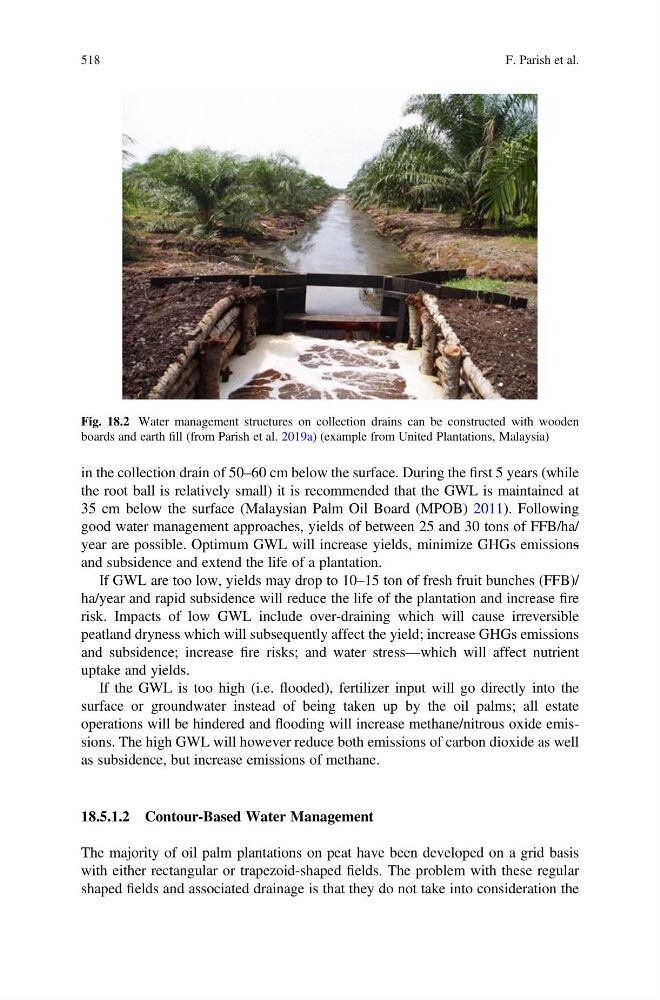
Fig. 18.2 Water management structures on collection drains can be constructed with wooden
boards and earth fill (from Parish et al. 2019a) (example from United Plantations, Malaysia)
518
F. Parish et al.
the root ball is relatively small) it is recommended that the GWL is maintained at
35 cm below the surface (Malaysian Palm Oil Board (MPOB) 2011). Following
good water management approaches, yields of between 25 and 30 tons of FFB/ha/
year are possible. Optimum GWL will increase yields, minimize GHGs emissions
and subsidence and extend the life of a plantation.
If GWL are too low, yields may drop to 10–15 ton of fresh fruit bunches (FFB)/
ha/year and rapid subsidence will reduce the life of the plantation and increase fire
risk. Impacts of low GWL include over-draining which will cause irreversible
peatland dryness which will subsequently affect the yield; increase GHGs emissions
and subsidence; increase fire risks; and water stress—which will affect nutrient
uptake and yields.
If the GWL is too high (i.e. flooded), fertilizer input will go directly into the
surface or groundwater instead of being taken up by the oil palms; all estate
operations will be hindered and flooding will increase methane/nitrous oxide emissions. The high GWL will however reduce both emissions of carbon dioxide as well
as subsidence, but increase emissions of methane.
18.5.1.2 Contour-Based Water Management
The majority of oil palm plantations on peat have been developed on a grid basis
with either rectangular or trapezoid-shaped fields. The problem with these regular
shaped fields and associated drainage is that they do not take into consideration the
Fig. 18.2 Water management structures on collection drains can be constructed with wooden
boards and earth fill (from Parish et al. 2019a) (example from United Plantations, Malaysia)
518
F. Parish et al.