

4.4 Energy Planning: An Application of the PROMETHEE
Method for the Definition of a Net-Zero Energy District
(nZED)
4.4.1 Decision Problem
As it is well-known, the residential building sector is one of the biggest consumers of
energy in the European Union (EU), and it is responsible for the 40% of the CO 2
emissions. In order to face this problem, the European Commission is promoting the
use of renewable energy sources, introducing the new standards of nZEB (nearly
Zero Energy Building) and nZED (net-Zero Energy District). In particular, the
shifting of the attention from the building scale to the urban scale requires to include
in the analysis not only the aspects strictly related to energy and environmental
impacts but also those concerned with social and economic sectors, such as the
number of jobs created by the energy investments, the effects in terms of quality of
life of the people involved and so on. The present evaluation considers the energy
requalification of a residential district in the municipality of Turin (Northern Italy)
(Becchio et al. 2017). The district is constituted by high-rise apartment buildings
with different for typology and use and characterized by low thermal properties.
MAINTENANCE
ROOF USE
COURTYARDS
DISTRIBUTION
GROUND FLOOR
PARKING
DISTANCE FROM
TRAM STOP
DISTANCE FROM
POLARITIES
FUNCTION
COST
TRANSPARENT
ENVELOPE
PERCENTAGE
ECONOMIC VALUE
ENVELOPE PERFORMANCE
DEFINITION OF THE BEST QUALITY SOLID
A
A
B
C
BUILDING DESIGN
ACCESSIBILITY
THERMAL
TRANSMITTANCE
OF THE
OPAQUE ELEMENTS
CONSTRACTION
PROPERTIES
COST
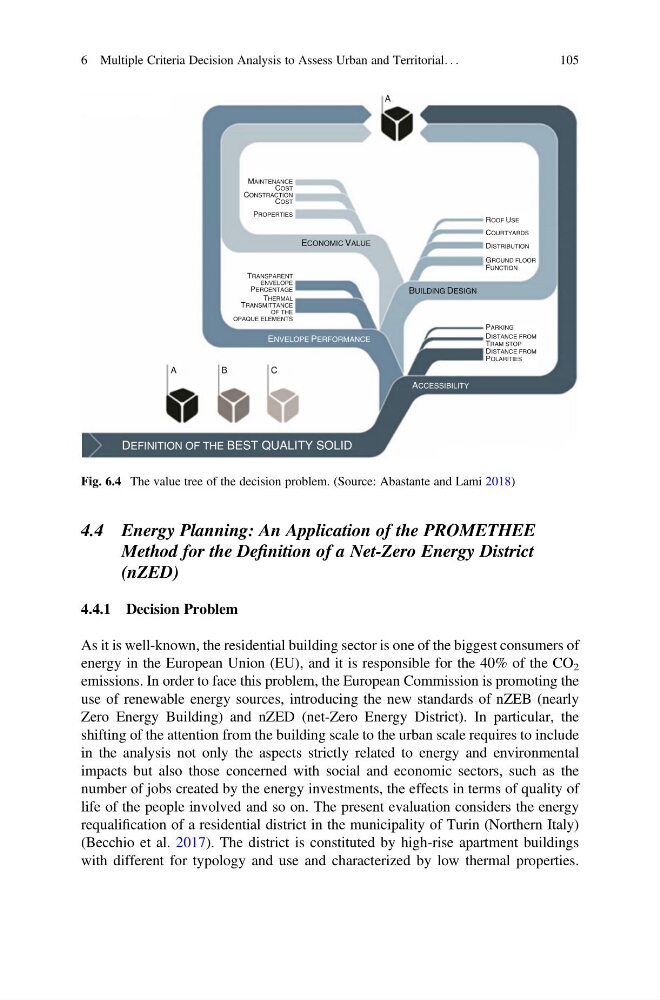
Fig. 6.4 The value tree of the decision problem. (Source: Abastante and Lami 2018)
6 Multiple Criteria Decision Analysis to Assess Urban and Territorial. . .
105
Method for the Definition of a Net-Zero Energy District
(nZED)
4.4.1 Decision Problem
As it is well-known, the residential building sector is one of the biggest consumers of
energy in the European Union (EU), and it is responsible for the 40% of the CO 2
emissions. In order to face this problem, the European Commission is promoting the
use of renewable energy sources, introducing the new standards of nZEB (nearly
Zero Energy Building) and nZED (net-Zero Energy District). In particular, the
shifting of the attention from the building scale to the urban scale requires to include
in the analysis not only the aspects strictly related to energy and environmental
impacts but also those concerned with social and economic sectors, such as the
number of jobs created by the energy investments, the effects in terms of quality of
life of the people involved and so on. The present evaluation considers the energy
requalification of a residential district in the municipality of Turin (Northern Italy)
(Becchio et al. 2017). The district is constituted by high-rise apartment buildings
with different for typology and use and characterized by low thermal properties.
MAINTENANCE
ROOF USE
COURTYARDS
DISTRIBUTION
GROUND FLOOR
PARKING
DISTANCE FROM
TRAM STOP
DISTANCE FROM
POLARITIES
FUNCTION
COST
TRANSPARENT
ENVELOPE
PERCENTAGE
ECONOMIC VALUE
ENVELOPE PERFORMANCE
DEFINITION OF THE BEST QUALITY SOLID
A
A
B
C
BUILDING DESIGN
ACCESSIBILITY
THERMAL
TRANSMITTANCE
OF THE
OPAQUE ELEMENTS
CONSTRACTION
PROPERTIES
COST
Fig. 6.4 The value tree of the decision problem. (Source: Abastante and Lami 2018)
6 Multiple Criteria Decision Analysis to Assess Urban and Territorial. . .
105