

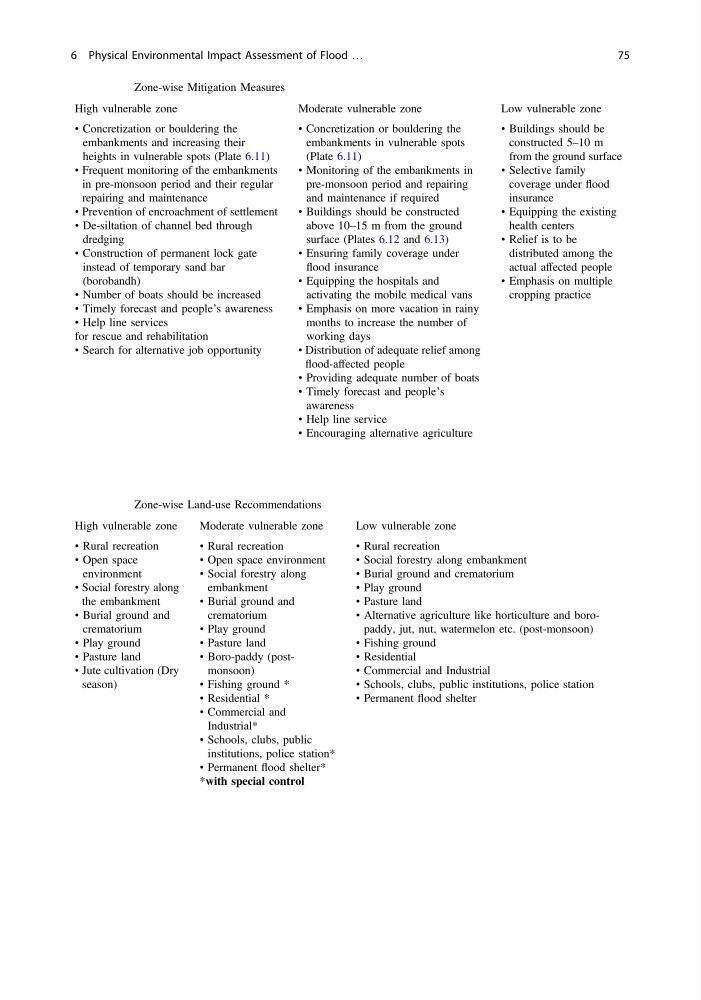
Table 6.10 Zone-wise Mitigation Measures
High vulnerable zone
Moderate vulnerable zone
Low vulnerable zone
• Concretization or bouldering the
embankments and increasing their
heights in vulnerable spots (Plate 6.11)
• Frequent monitoring of the embankments
in pre-monsoon period and their regular
repairing and maintenance
• Prevention of encroachment of settlement
• De-siltation of channel bed through
dredging
• Construction of permanent lock gate
instead of temporary sand bar
(borobandh)
• Number of boats should be increased
• Timely forecast and people’s awareness
• Help line services
for rescue and rehabilitation
• Search for alternative job opportunity
• Concretization or bouldering the
embankments in vulnerable spots
(Plate 6.11)
• Monitoring of the embankments in
pre-monsoon period and repairing
and maintenance if required
• Buildings should be constructed
above 10–15 m from the ground
surface (Plates 6.12 and 6.13)
• Ensuring family coverage under
flood insurance
• Equipping the hospitals and
activating the mobile medical vans
• Emphasis on more vacation in rainy
months to increase the number of
working days
• Distribution of adequate relief among
flood-affected people
• Providing adequate number of boats
• Timely forecast and people’s
awareness
• Help line service
• Encouraging alternative agriculture
• Buildings should be
constructed 5–10 m
from the ground surface
• Selective family
coverage under flood
insurance
• Equipping the existing
health centers
• Relief is to be
distributed among the
actual affected people
• Emphasis on multiple
cropping practice
Table 6.11 Zone-wise Land-use Recommendations
High vulnerable zone
Moderate vulnerable zone
Low vulnerable zone
• Rural recreation
• Open space
environment
• Social forestry along
the embankment
• Burial ground and
crematorium
• Play ground
• Pasture land
• Jute cultivation (Dry
season)
• Rural recreation
• Open space environment
• Social forestry along
embankment
• Burial ground and
crematorium
• Play ground
• Pasture land
• Boro-paddy (postmonsoon)
• Fishing ground *
• Residential *
• Commercial and
Industrial*
• Schools, clubs, public
institutions, police station*
• Permanent flood shelter*
*with special control
• Rural recreation
• Social forestry along embankment
• Burial ground and crematorium
• Play ground
• Pasture land
• Alternative agriculture like horticulture and boropaddy, jut, nut, watermelon etc. (post-monsoon)
• Fishing ground
• Residential
• Commercial and Industrial
• Schools, clubs, public institutions, police station
• Permanent flood shelter
6 Physical Environmental Impact Assessment of Flood …
75
High vulnerable zone
Moderate vulnerable zone
Low vulnerable zone
• Concretization or bouldering the
embankments and increasing their
heights in vulnerable spots (Plate 6.11)
• Frequent monitoring of the embankments
in pre-monsoon period and their regular
repairing and maintenance
• Prevention of encroachment of settlement
• De-siltation of channel bed through
dredging
• Construction of permanent lock gate
instead of temporary sand bar
(borobandh)
• Number of boats should be increased
• Timely forecast and people’s awareness
• Help line services
for rescue and rehabilitation
• Search for alternative job opportunity
• Concretization or bouldering the
embankments in vulnerable spots
(Plate 6.11)
• Monitoring of the embankments in
pre-monsoon period and repairing
and maintenance if required
• Buildings should be constructed
above 10–15 m from the ground
surface (Plates 6.12 and 6.13)
• Ensuring family coverage under
flood insurance
• Equipping the hospitals and
activating the mobile medical vans
• Emphasis on more vacation in rainy
months to increase the number of
working days
• Distribution of adequate relief among
flood-affected people
• Providing adequate number of boats
• Timely forecast and people’s
awareness
• Help line service
• Encouraging alternative agriculture
• Buildings should be
constructed 5–10 m
from the ground surface
• Selective family
coverage under flood
insurance
• Equipping the existing
health centers
• Relief is to be
distributed among the
actual affected people
• Emphasis on multiple
cropping practice
Table 6.11 Zone-wise Land-use Recommendations
High vulnerable zone
Moderate vulnerable zone
Low vulnerable zone
• Rural recreation
• Open space
environment
• Social forestry along
the embankment
• Burial ground and
crematorium
• Play ground
• Pasture land
• Jute cultivation (Dry
season)
• Rural recreation
• Open space environment
• Social forestry along
embankment
• Burial ground and
crematorium
• Play ground
• Pasture land
• Boro-paddy (postmonsoon)
• Fishing ground *
• Residential *
• Commercial and
Industrial*
• Schools, clubs, public
institutions, police station*
• Permanent flood shelter*
*with special control
• Rural recreation
• Social forestry along embankment
• Burial ground and crematorium
• Play ground
• Pasture land
• Alternative agriculture like horticulture and boropaddy, jut, nut, watermelon etc. (post-monsoon)
• Fishing ground
• Residential
• Commercial and Industrial
• Schools, clubs, public institutions, police station
• Permanent flood shelter
6 Physical Environmental Impact Assessment of Flood …
75