

Those who visit the water points late have to
endure long winding queues. In some resettlement areas, most families have bought ox-drawn
carts which they use to ferry water from distantly
located water points. Households who do not
have their own carts often have to ask for assistance from neighbors, relatives and friends,
especially when it comes to the collection of
drinking water. Those who may be unlucky not
to get such assistance either have to endure the
nightmare of head loading water for long distances or they have to content with unsafe and
unclean water from abstraction points which they
share with livestock. Water from unprotected
sources such as riverbed wells exposes households to diarrheal diseases, which mostly affect
children. Unclean or unsafe water from these
sources is known to be one of the main factors
responsible for spreading waterborne diseases.
Women in this part of the basin kept narrating the
same ordeal which they endure on a daily basis
in their attempts to access water for domestic use.
Most women spend no less than five hours a day
collecting water for their households (Plate 4.2).
When and where they queue for water, quarreling even over trivial issues is quite common.
To avoid conflict, some women claimed to have
resorted to collecting water at dawn or dusk
when queues will be shorter.
Fetching water either very early in the morning or late in the evening in the ranches exposes
women to all sorts of hazards including potential
attacks by wild animals and snake bites. As a
way of coping with the water shortage crises,
some community members have resorted to
bathing once every 3 days, a luxury in which
household members now take turns. According
to one elderly woman who was giving a vote of
thanks at the ‘commissioning’ of a borehole in
their area:
We would walk for six hours to and from an
abstraction point or the river to fetch water. We
would carry buckets full of water on the return
journey and we were not even aware that the water
was dirty. We would suffer from diarrheal diseases
especially children.
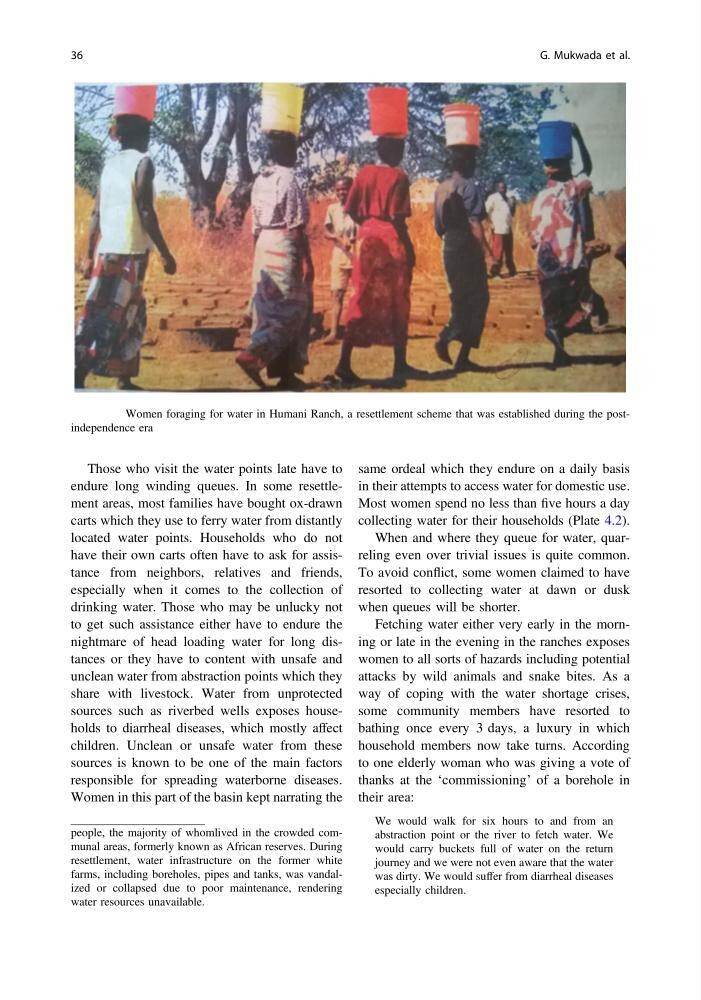
Plate 4.2 Women foraging for water in Humani Ranch, a resettlement scheme that was established during the postindependence era
people, the majority of whomlived in the crowded communal areas, formerly known as African reserves. During
resettlement, water infrastructure on the former white
farms, including boreholes, pipes and tanks, was vandalized or collapsed due to poor maintenance, rendering
water resources unavailable.
36
G. Mukwada et al.
endure long winding queues. In some resettlement areas, most families have bought ox-drawn
carts which they use to ferry water from distantly
located water points. Households who do not
have their own carts often have to ask for assistance from neighbors, relatives and friends,
especially when it comes to the collection of
drinking water. Those who may be unlucky not
to get such assistance either have to endure the
nightmare of head loading water for long distances or they have to content with unsafe and
unclean water from abstraction points which they
share with livestock. Water from unprotected
sources such as riverbed wells exposes households to diarrheal diseases, which mostly affect
children. Unclean or unsafe water from these
sources is known to be one of the main factors
responsible for spreading waterborne diseases.
Women in this part of the basin kept narrating the
same ordeal which they endure on a daily basis
in their attempts to access water for domestic use.
Most women spend no less than five hours a day
collecting water for their households (Plate 4.2).
When and where they queue for water, quarreling even over trivial issues is quite common.
To avoid conflict, some women claimed to have
resorted to collecting water at dawn or dusk
when queues will be shorter.
Fetching water either very early in the morning or late in the evening in the ranches exposes
women to all sorts of hazards including potential
attacks by wild animals and snake bites. As a
way of coping with the water shortage crises,
some community members have resorted to
bathing once every 3 days, a luxury in which
household members now take turns. According
to one elderly woman who was giving a vote of
thanks at the ‘commissioning’ of a borehole in
their area:
We would walk for six hours to and from an
abstraction point or the river to fetch water. We
would carry buckets full of water on the return
journey and we were not even aware that the water
was dirty. We would suffer from diarrheal diseases
especially children.
Plate 4.2 Women foraging for water in Humani Ranch, a resettlement scheme that was established during the postindependence era
people, the majority of whomlived in the crowded communal areas, formerly known as African reserves. During
resettlement, water infrastructure on the former white
farms, including boreholes, pipes and tanks, was vandalized or collapsed due to poor maintenance, rendering
water resources unavailable.
36
G. Mukwada et al.