

decades. As there is a decreasing trend in the
annual rainfall in BHB, the correlation between
monsoon flood and rainfall may be insignificant
in the long term. Further, based on long-period
average (LPA) and percent deviation from longperiod average, the distribution of rainfall in
monsoon months is classified as deficit, normal
and excess events to probe into the relationship. The southwest monsoon rainfall was classified as deficit when the actual rainfall
was
rainfall was >LPA ± CV of the corresponding
year. Analysis of 100 years of (1901–2000)
monsoon rainfall revealed that the basin received
only 23 normal monsoon years (< LPA ±
CV > ), while 77 years received either deficit
(LPA + CV:
4 years) monsoon rainfall (Fig. 13.6). The link
between monsoon flood and excess rainfall is
reflected in the year 1941, 1971 and 1999. But
the other large floods during this century in this
basin may have occurred due to some other
reasons or the excessive rainfall of the adjacent
region (state of Jharkhand and Bihar). Because
most of the rivers in this basin are cratonic, their
origins are from Jharkhand and Bihar.
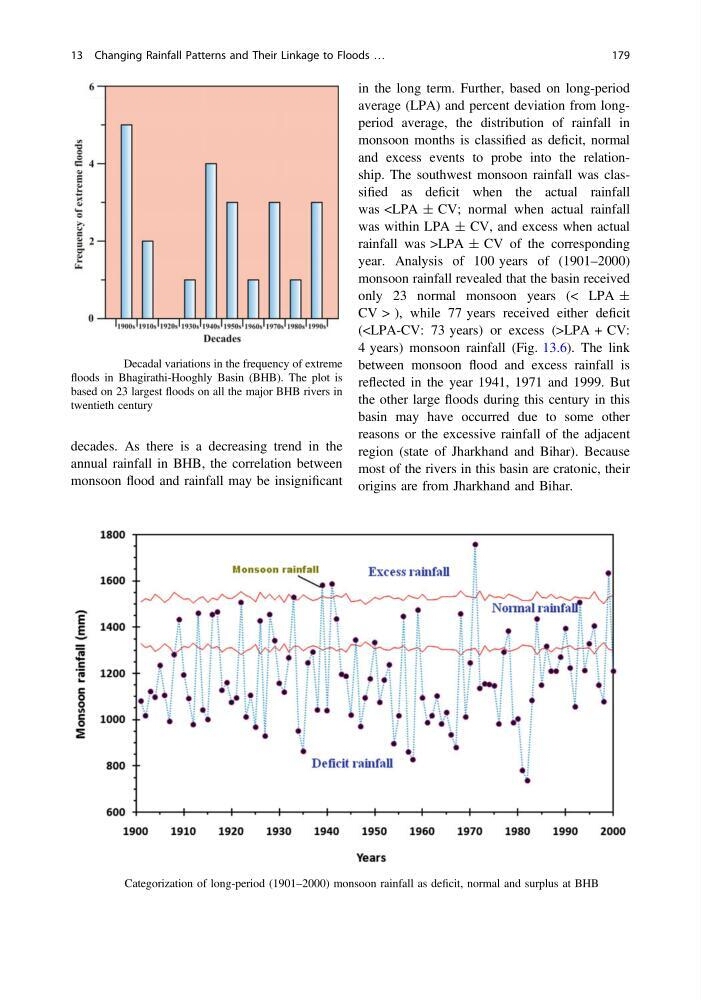
Fig. 13.5 Decadal variations in the frequency of extreme
floods in Bhagirathi-Hooghly Basin (BHB). The plot is
based on 23 largest floods on all the major BHB rivers in
twentieth century
Fig. 13.6 Categorization of long-period (1901–2000) monsoon rainfall as deficit, normal and surplus at BHB
13 Changing Rainfall Patterns and Their Linkage to Floods …
179
annual rainfall in BHB, the correlation between
monsoon flood and rainfall may be insignificant
in the long term. Further, based on long-period
average (LPA) and percent deviation from longperiod average, the distribution of rainfall in
monsoon months is classified as deficit, normal
and excess events to probe into the relationship. The southwest monsoon rainfall was classified as deficit when the actual rainfall
was
rainfall was >LPA ± CV of the corresponding
year. Analysis of 100 years of (1901–2000)
monsoon rainfall revealed that the basin received
only 23 normal monsoon years (< LPA ±
CV > ), while 77 years received either deficit
(
4 years) monsoon rainfall (Fig. 13.6). The link
between monsoon flood and excess rainfall is
reflected in the year 1941, 1971 and 1999. But
the other large floods during this century in this
basin may have occurred due to some other
reasons or the excessive rainfall of the adjacent
region (state of Jharkhand and Bihar). Because
most of the rivers in this basin are cratonic, their
origins are from Jharkhand and Bihar.
Fig. 13.5 Decadal variations in the frequency of extreme
floods in Bhagirathi-Hooghly Basin (BHB). The plot is
based on 23 largest floods on all the major BHB rivers in
twentieth century
Fig. 13.6 Categorization of long-period (1901–2000) monsoon rainfall as deficit, normal and surplus at BHB
13 Changing Rainfall Patterns and Their Linkage to Floods …
179