

12.2 Charge-Transfer Reactions of Clusters
195
In this case, they measured the cross section for this process to lie between 40 to 10
´
Å
2 . The reionization of the neutral products Na n obtained from “Na
+
n + Cs” collisions
showed that most of them do not undergo any fragmentation [46], suggesting that
charge transfer is an efficient way to produce the mass selected neutral species.
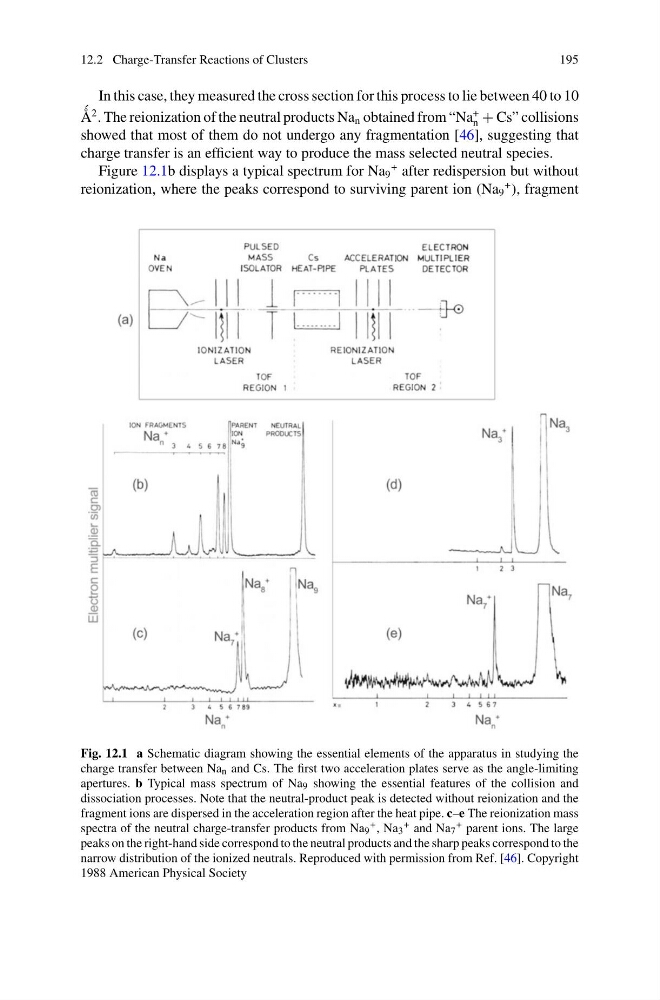
Figure 12.1b displays a typical spectrum for Na 9
+ after redispersion but without
reionization, where the peaks correspond to surviving parent ion (Na 9
+ ), fragment
Fig. 12.1 a Schematic diagram showing the essential elements of the apparatus in studying the
charge transfer between Na n and Cs. The first two acceleration plates serve as the angle-limiting
apertures. b Typical mass spectrum of Na 9 showing the essential features of the collision and
dissociation processes. Note that the neutral-product peak is detected without reionization and the
fragment ions are dispersed in the acceleration region after the heat pipe. c–e The reionization mass
spectra of the neutral charge-transfer products from Na 9
+ , Na 3
+ and Na 7
+ parent ions. The large
peaks on the right-hand side correspond to the neutral products and the sharp peaks correspond to the
narrow distribution of the ionized neutrals. Reproduced with permission from Ref. [46]. Copyright
1988 American Physical Society
195
In this case, they measured the cross section for this process to lie between 40 to 10
´
Å
2 . The reionization of the neutral products Na n obtained from “Na
+
n + Cs” collisions
showed that most of them do not undergo any fragmentation [46], suggesting that
charge transfer is an efficient way to produce the mass selected neutral species.
Figure 12.1b displays a typical spectrum for Na 9
+ after redispersion but without
reionization, where the peaks correspond to surviving parent ion (Na 9
+ ), fragment
Fig. 12.1 a Schematic diagram showing the essential elements of the apparatus in studying the
charge transfer between Na n and Cs. The first two acceleration plates serve as the angle-limiting
apertures. b Typical mass spectrum of Na 9 showing the essential features of the collision and
dissociation processes. Note that the neutral-product peak is detected without reionization and the
fragment ions are dispersed in the acceleration region after the heat pipe. c–e The reionization mass
spectra of the neutral charge-transfer products from Na 9
+ , Na 3
+ and Na 7
+ parent ions. The large
peaks on the right-hand side correspond to the neutral products and the sharp peaks correspond to the
narrow distribution of the ionized neutrals. Reproduced with permission from Ref. [46]. Copyright
1988 American Physical Society