

PRRs are perceived by the LysM-RLK, chitin elicitor receptor kinase 1 (CERK1),
and lysin motif-containing RLK5 (LYK5) in Arabidopsis [18]. Chitin induces
OsCERK1 activation in rice protoplasts early, within 3 min of treatment [19]. Moreover, increases in cytoplasmic Ca
2+ concentration and OsMAPK6 activation occur
within 5 min of chitin treatment [20]. Chitin perception mechanism of Arabidopsis is
different from rice, where AtCERK1 binds directly to octamers of chitin, which in
turn induces AtCERK1 homo-dimerization and consequent immune signaling
[21–23]. Arabidopsis might not use CEBiP-like LysM-RLPs to trigger immune
responses upon chitin perception [22, 24].
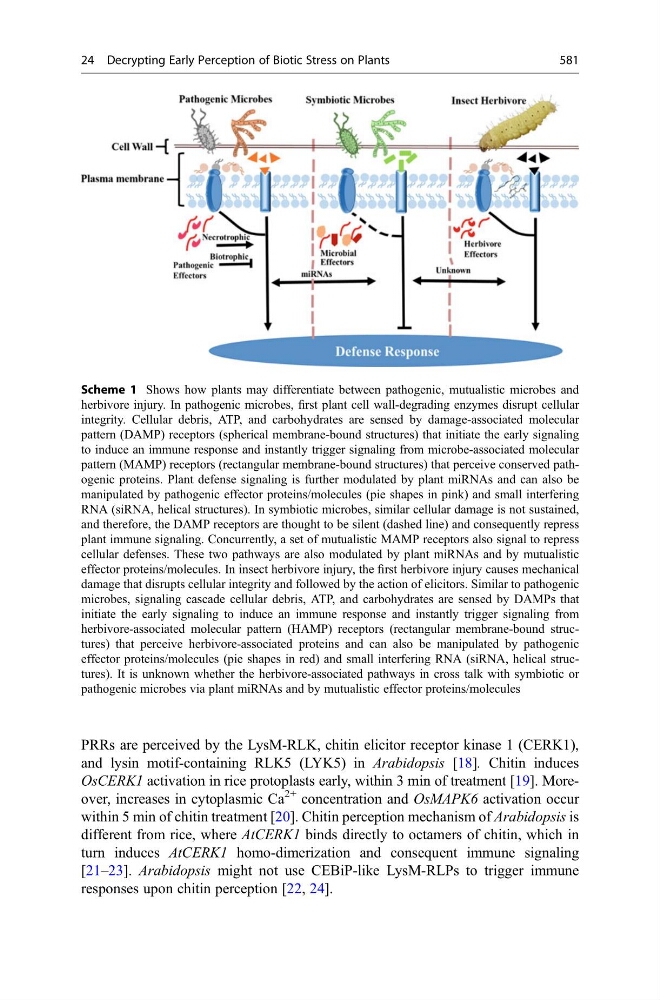
Scheme 1 Shows how plants may differentiate between pathogenic, mutualistic microbes and
herbivore injury. In pathogenic microbes, first plant cell wall-degrading enzymes disrupt cellular
integrity. Cellular debris, ATP, and carbohydrates are sensed by damage-associated molecular
pattern (DAMP) receptors (spherical membrane-bound structures) that initiate the early signaling
to induce an immune response and instantly trigger signaling from microbe-associated molecular
pattern (MAMP) receptors (rectangular membrane-bound structures) that perceive conserved pathogenic proteins. Plant defense signaling is further modulated by plant miRNAs and can also be
manipulated by pathogenic effector proteins/molecules (pie shapes in pink) and small interfering
RNA (siRNA, helical structures). In symbiotic microbes, similar cellular damage is not sustained,
and therefore, the DAMP receptors are thought to be silent (dashed line) and consequently repress
plant immune signaling. Concurrently, a set of mutualistic MAMP receptors also signal to repress
cellular defenses. These two pathways are also modulated by plant miRNAs and by mutualistic
effector proteins/molecules. In insect herbivore injury, the first herbivore injury causes mechanical
damage that disrupts cellular integrity and followed by the action of elicitors. Similar to pathogenic
microbes, signaling cascade cellular debris, ATP, and carbohydrates are sensed by DAMPs that
initiate the early signaling to induce an immune response and instantly trigger signaling from
herbivore-associated molecular pattern (HAMP) receptors (rectangular membrane-bound structures) that perceive herbivore-associated proteins and can also be manipulated by pathogenic
effector proteins/molecules (pie shapes in red) and small interfering RNA (siRNA, helical structures). It is unknown whether the herbivore-associated pathways in cross talk with symbiotic or
pathogenic microbes via plant miRNAs and by mutualistic effector proteins/molecules
24 Decrypting Early Perception of Biotic Stress on Plants
581
and lysin motif-containing RLK5 (LYK5) in Arabidopsis [18]. Chitin induces
OsCERK1 activation in rice protoplasts early, within 3 min of treatment [19]. Moreover, increases in cytoplasmic Ca
2+ concentration and OsMAPK6 activation occur
within 5 min of chitin treatment [20]. Chitin perception mechanism of Arabidopsis is
different from rice, where AtCERK1 binds directly to octamers of chitin, which in
turn induces AtCERK1 homo-dimerization and consequent immune signaling
[21–23]. Arabidopsis might not use CEBiP-like LysM-RLPs to trigger immune
responses upon chitin perception [22, 24].
Scheme 1 Shows how plants may differentiate between pathogenic, mutualistic microbes and
herbivore injury. In pathogenic microbes, first plant cell wall-degrading enzymes disrupt cellular
integrity. Cellular debris, ATP, and carbohydrates are sensed by damage-associated molecular
pattern (DAMP) receptors (spherical membrane-bound structures) that initiate the early signaling
to induce an immune response and instantly trigger signaling from microbe-associated molecular
pattern (MAMP) receptors (rectangular membrane-bound structures) that perceive conserved pathogenic proteins. Plant defense signaling is further modulated by plant miRNAs and can also be
manipulated by pathogenic effector proteins/molecules (pie shapes in pink) and small interfering
RNA (siRNA, helical structures). In symbiotic microbes, similar cellular damage is not sustained,
and therefore, the DAMP receptors are thought to be silent (dashed line) and consequently repress
plant immune signaling. Concurrently, a set of mutualistic MAMP receptors also signal to repress
cellular defenses. These two pathways are also modulated by plant miRNAs and by mutualistic
effector proteins/molecules. In insect herbivore injury, the first herbivore injury causes mechanical
damage that disrupts cellular integrity and followed by the action of elicitors. Similar to pathogenic
microbes, signaling cascade cellular debris, ATP, and carbohydrates are sensed by DAMPs that
initiate the early signaling to induce an immune response and instantly trigger signaling from
herbivore-associated molecular pattern (HAMP) receptors (rectangular membrane-bound structures) that perceive herbivore-associated proteins and can also be manipulated by pathogenic
effector proteins/molecules (pie shapes in red) and small interfering RNA (siRNA, helical structures). It is unknown whether the herbivore-associated pathways in cross talk with symbiotic or
pathogenic microbes via plant miRNAs and by mutualistic effector proteins/molecules
24 Decrypting Early Perception of Biotic Stress on Plants
581