

have antioxidant and antimicrobial action [59]. The accumulation of polyphenol
compounds in and around the local lesions in the plant is a reliable evidence of a
hypersensitivity reaction. Naturally occurring antibiotic compounds that are found
endogenously in healthy plants are embedded with chemical barriers to protect
plants against attack by a wide range of fungal and bacterial pathogens. There are
also viruses that cause peach diseases such as Plum pox virus, Prunus necrotic
ringspot virus, and others. The viral infection causes necrosis of the cells at and
near the site of the infection where the viral movement is often restricted. Otherwise,
in the absence of necrosis, a systemic infection occurs and the reason for this is a
significant change in the concentration of polyphenols due to viral infection. The
extent of changes in the metabolism of virus-infected plants (respiration and photosynthesis) is often associated with the severity of symptoms and is greatest when
tissues become necrotic [60].
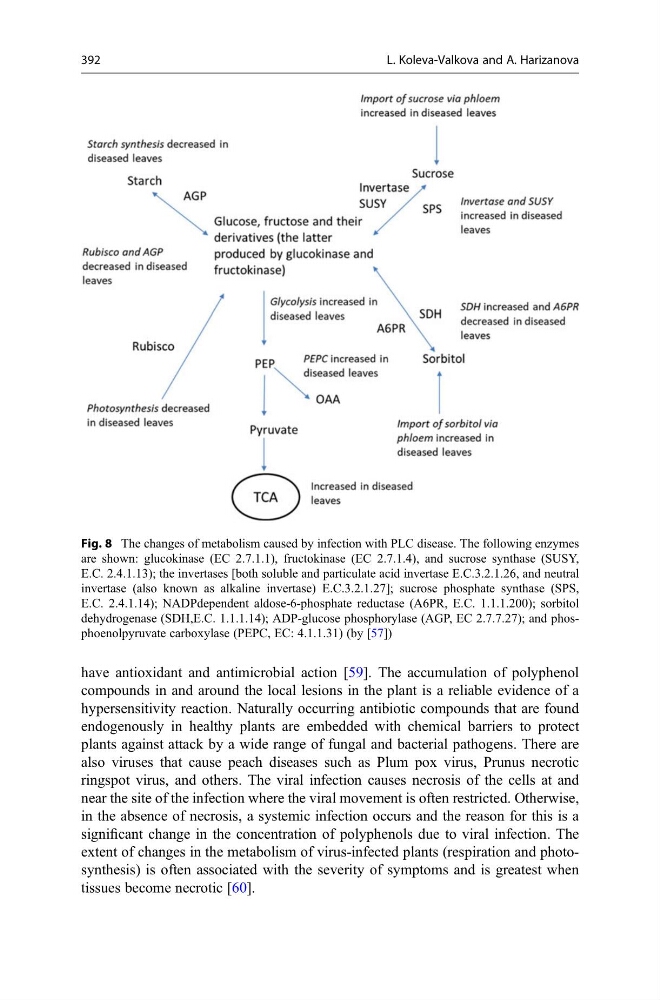
Fig. 8 The changes of metabolism caused by infection with PLC disease. The following enzymes
are shown: glucokinase (EC 2.7.1.1), fructokinase (EC 2.7.1.4), and sucrose synthase (SUSY,
E.C. 2.4.1.13); the invertases [both soluble and particulate acid invertase E.C.3.2.1.26, and neutral
invertase (also known as alkaline invertase) E.C.3.2.1.27]; sucrose phosphate synthase (SPS,
E.C. 2.4.1.14); NADPdependent aldose-6-phosphate reductase (A6PR, E.C. 1.1.1.200); sorbitol
dehydrogenase (SDH,E.C. 1.1.1.14); ADP-glucose phosphorylase (AGP, EC 2.7.7.27); and phosphoenolpyruvate carboxylase (PEPC, EC: 4.1.1.31) (by [57])
392
L. Koleva-Valkova and A. Harizanova
compounds in and around the local lesions in the plant is a reliable evidence of a
hypersensitivity reaction. Naturally occurring antibiotic compounds that are found
endogenously in healthy plants are embedded with chemical barriers to protect
plants against attack by a wide range of fungal and bacterial pathogens. There are
also viruses that cause peach diseases such as Plum pox virus, Prunus necrotic
ringspot virus, and others. The viral infection causes necrosis of the cells at and
near the site of the infection where the viral movement is often restricted. Otherwise,
in the absence of necrosis, a systemic infection occurs and the reason for this is a
significant change in the concentration of polyphenols due to viral infection. The
extent of changes in the metabolism of virus-infected plants (respiration and photosynthesis) is often associated with the severity of symptoms and is greatest when
tissues become necrotic [60].
Fig. 8 The changes of metabolism caused by infection with PLC disease. The following enzymes
are shown: glucokinase (EC 2.7.1.1), fructokinase (EC 2.7.1.4), and sucrose synthase (SUSY,
E.C. 2.4.1.13); the invertases [both soluble and particulate acid invertase E.C.3.2.1.26, and neutral
invertase (also known as alkaline invertase) E.C.3.2.1.27]; sucrose phosphate synthase (SPS,
E.C. 2.4.1.14); NADPdependent aldose-6-phosphate reductase (A6PR, E.C. 1.1.1.200); sorbitol
dehydrogenase (SDH,E.C. 1.1.1.14); ADP-glucose phosphorylase (AGP, EC 2.7.7.27); and phosphoenolpyruvate carboxylase (PEPC, EC: 4.1.1.31) (by [57])
392
L. Koleva-Valkova and A. Harizanova