

species sense the environment and, in response to it, produce and release different
kinds of molecules to cope with the stress causing profound changes in other
organisms [2, 8, 9].
The chemical identification of fungal compounds has been crucial to explain the
molecular mechanisms that Trichoderma modulate in other organisms [10–13].
Commonly, fungal metabolites have been analyzed using a combination of different
analytical techniques. In general, secondary metabolites of Trichoderma include
organic acids, esters, ethers, hydrocarbons, ketones, peptides, polyketides, pyrones,
sulfur, and nitrogen-containing compounds [14].
In recent years, increased attention has been paid to secondary metabolites from
Trichoderma. Next, we describe fungal compounds that play an important role in the
interactions with plants and other microorganisms.
2
Plant-Fungus Interaction
Trichoderma spp. establish natural associations with a number of plants [8]. In
a recent study addressing the endemic fungal biomes of Trichoderma from the
Northwest Africa to New Zealand via the European Alps and Madagascar, important
differences of fungal populations associated with endemic plants of those regions
were reported. Particularly, the cosmopolitan plant maize (Zea mays) shared the
majority of fungal strains (65.5%). Furthermore, for the studied regions,
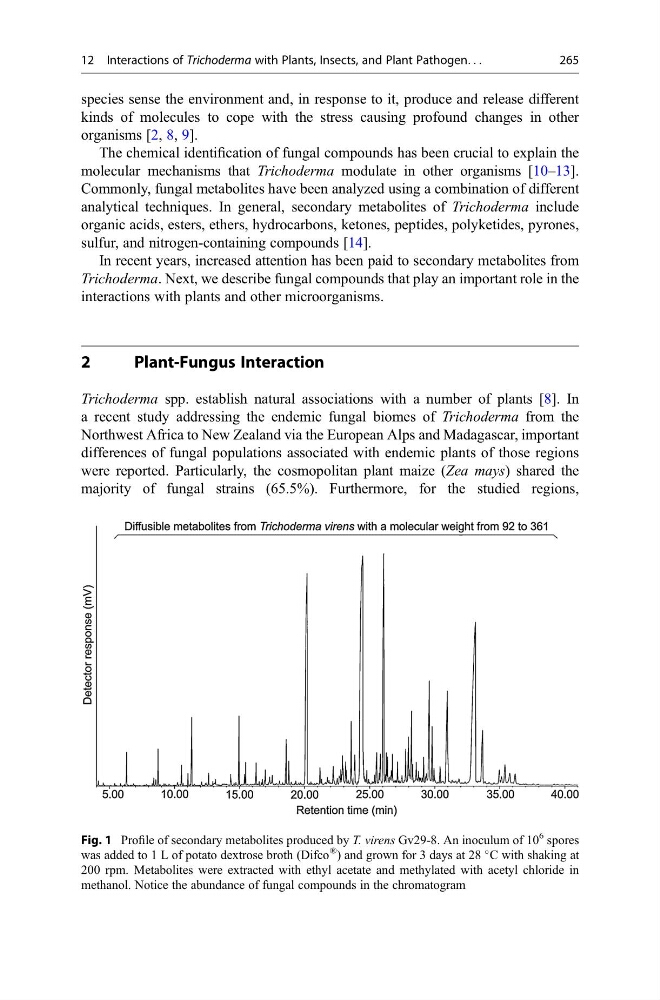
Fig. 1 Profile of secondary metabolites produced by T. virens Gv29-8. An inoculum of 10
6 spores
was added to 1 L of potato dextrose broth (Difco
®
) and grown for 3 days at 28
C with shaking at
200 rpm. Metabolites were extracted with ethyl acetate and methylated with acetyl chloride in
methanol. Notice the abundance of fungal compounds in the chromatogram
12 Interactions of Trichoderma with Plants, Insects, and Plant Pathogen. . .
265
kinds of molecules to cope with the stress causing profound changes in other
organisms [2, 8, 9].
The chemical identification of fungal compounds has been crucial to explain the
molecular mechanisms that Trichoderma modulate in other organisms [10–13].
Commonly, fungal metabolites have been analyzed using a combination of different
analytical techniques. In general, secondary metabolites of Trichoderma include
organic acids, esters, ethers, hydrocarbons, ketones, peptides, polyketides, pyrones,
sulfur, and nitrogen-containing compounds [14].
In recent years, increased attention has been paid to secondary metabolites from
Trichoderma. Next, we describe fungal compounds that play an important role in the
interactions with plants and other microorganisms.
2
Plant-Fungus Interaction
Trichoderma spp. establish natural associations with a number of plants [8]. In
a recent study addressing the endemic fungal biomes of Trichoderma from the
Northwest Africa to New Zealand via the European Alps and Madagascar, important
differences of fungal populations associated with endemic plants of those regions
were reported. Particularly, the cosmopolitan plant maize (Zea mays) shared the
majority of fungal strains (65.5%). Furthermore, for the studied regions,
Fig. 1 Profile of secondary metabolites produced by T. virens Gv29-8. An inoculum of 10
6 spores
was added to 1 L of potato dextrose broth (Difco
®
) and grown for 3 days at 28
C with shaking at
200 rpm. Metabolites were extracted with ethyl acetate and methylated with acetyl chloride in
methanol. Notice the abundance of fungal compounds in the chromatogram
12 Interactions of Trichoderma with Plants, Insects, and Plant Pathogen. . .
265