

118
P. Jokiel and Z. Michalczyk
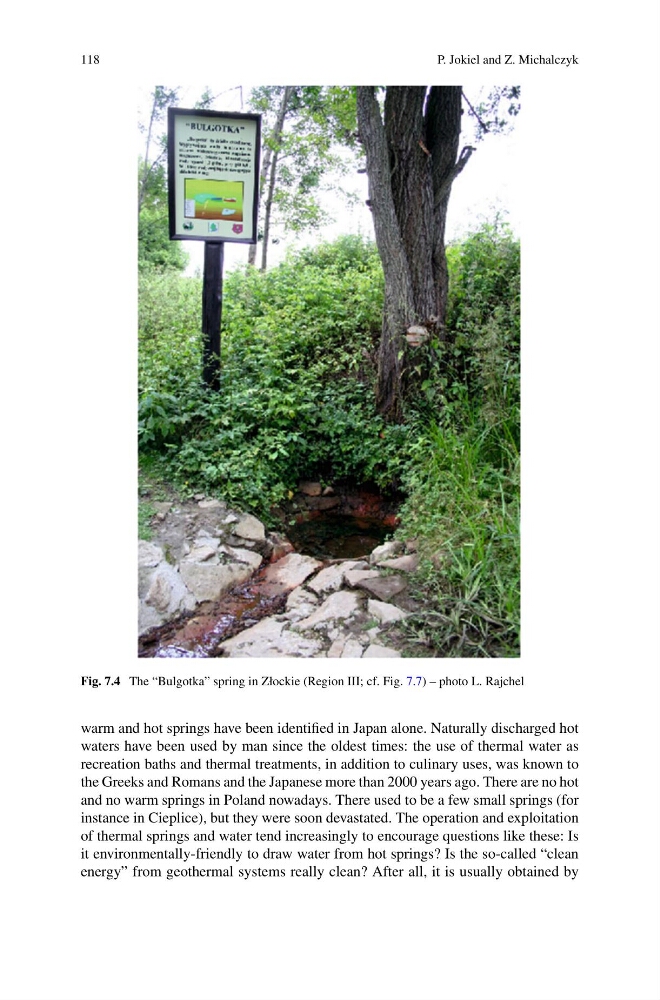
Fig. 7.4 The “Bulgotka” spring in Złockie (Region III; cf. Fig. 7.7) – photo L. Rajchel
warm and hot springs have been identified in Japan alone. Naturally discharged hot
waters have been used by man since the oldest times: the use of thermal water as
recreation baths and thermal treatments, in addition to culinary uses, was known to
the Greeks and Romans and the Japanese more than 2000 years ago. There are no hot
and no warm springs in Poland nowadays. There used to be a few small springs (for
instance in Cieplice), but they were soon devastated. The operation and exploitation
of thermal springs and water tend increasingly to encourage questions like these: Is
it environmentally-friendly to draw water from hot springs? Is the so-called “clean
energy” from geothermal systems really clean? After all, it is usually obtained by
P. Jokiel and Z. Michalczyk
Fig. 7.4 The “Bulgotka” spring in Złockie (Region III; cf. Fig. 7.7) – photo L. Rajchel
warm and hot springs have been identified in Japan alone. Naturally discharged hot
waters have been used by man since the oldest times: the use of thermal water as
recreation baths and thermal treatments, in addition to culinary uses, was known to
the Greeks and Romans and the Japanese more than 2000 years ago. There are no hot
and no warm springs in Poland nowadays. There used to be a few small springs (for
instance in Cieplice), but they were soon devastated. The operation and exploitation
of thermal springs and water tend increasingly to encourage questions like these: Is
it environmentally-friendly to draw water from hot springs? Is the so-called “clean
energy” from geothermal systems really clean? After all, it is usually obtained by