

1 Foundation of Fluid Mechanics
71
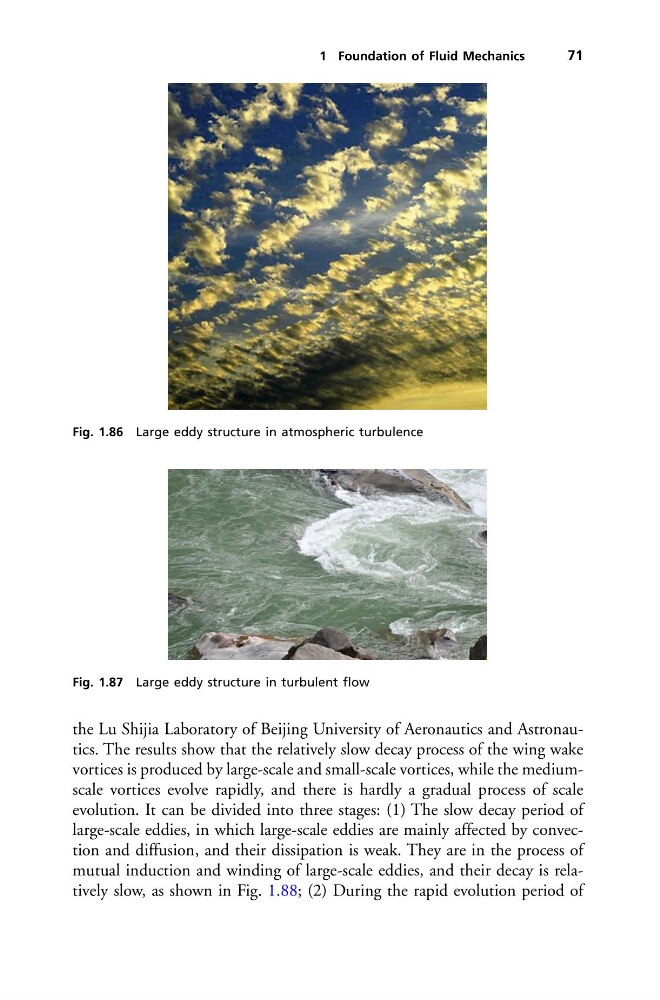
Fig. 1.86 Large eddy structure in atmospheric turbulence
Fig. 1.87 Large eddy structure in turbulent flow
the Lu Shijia Laboratory of Beijing University of Aeronautics and Astronautics. The results show that the relatively slow decay process of the wing wake
vortices is produced by large-scale and small-scale vortices, while the mediumscale vortices evolve rapidly, and there is hardly a gradual process of scale
evolution. It can be divided into three stages: (1) The slow decay period of
large-scale eddies, in which large-scale eddies are mainly affected by convection and diffusion, and their dissipation is weak. They are in the process of
mutual induction and winding of large-scale eddies, and their decay is relatively slow, as shown in Fig. 1.88; (2) During the rapid evolution period of
71
Fig. 1.86 Large eddy structure in atmospheric turbulence
Fig. 1.87 Large eddy structure in turbulent flow
the Lu Shijia Laboratory of Beijing University of Aeronautics and Astronautics. The results show that the relatively slow decay process of the wing wake
vortices is produced by large-scale and small-scale vortices, while the mediumscale vortices evolve rapidly, and there is hardly a gradual process of scale
evolution. It can be divided into three stages: (1) The slow decay period of
large-scale eddies, in which large-scale eddies are mainly affected by convection and diffusion, and their dissipation is weak. They are in the process of
mutual induction and winding of large-scale eddies, and their decay is relatively slow, as shown in Fig. 1.88; (2) During the rapid evolution period of