

3.2 Photodegradation
The removal efficiency of this degradation mechanism is decided by season and SF
CW design. The seasonal variation relates with the light intensity and cycle, while
the design controls the level of light penetration, reflection, and refraction through
the wetland cell [50, 57]. Direct photolysis and indirect photodegradation can be
important processes for most pharmaceuticals, as they generally contain aromatic
rings, heteroatoms and/or other functional groups [27] that can either directly absorb
solar radiation or react with photoinduced reactive intermediates (
1 O 2 , HO•, •OOR,
3 DOM*). The number of studies focused on the photolytic degradation in wetlands
is moderate compared to those in the surface water (i.e. lake and river) [57].
Photodegradation has been considered key in removing diclofenac, ibuprofen,
ketoprofen, naproxen, propranolol and triclosan in SF. In addition, the elimination of
some recalcitrant compounds in SF, including clofibric acid and carbamazepine was
considered to be correlated with high HRT and exposure to sunlight. Other pharmaceuticals are recalcitrant to photolytic degradation, namely, sulfamethoxazole,
sulfathiazole, sulfamethazine, and trimethoprim [27, 50, 57]. It should be remembered that high plant coverage can block the light radiation and consequently reduce
photodegradation. On the other hand, plant activity can increase the amount of
organic matter available to produce intermediate reactive species. Thus far, there is
no reliable rule of thumb for predicting the photodegradation behaviour of
pharmaceuticals [27].
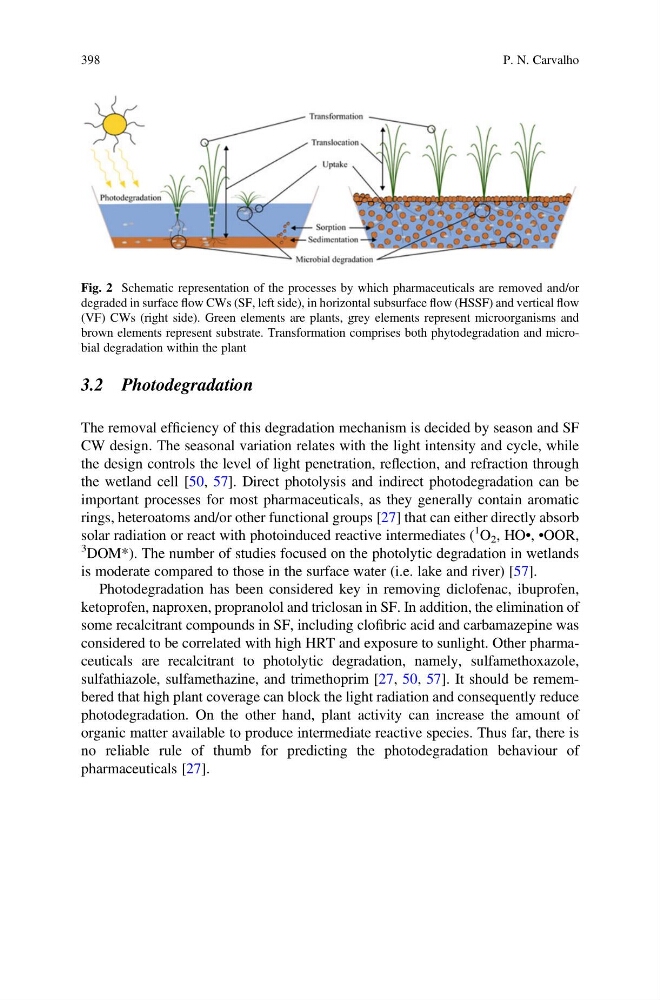
Fig. 2 Schematic representation of the processes by which pharmaceuticals are removed and/or
degraded in surface flow CWs (SF, left side), in horizontal subsurface flow (HSSF) and vertical flow
(VF) CWs (right side). Green elements are plants, grey elements represent microorganisms and
brown elements represent substrate. Transformation comprises both phytodegradation and microbial degradation within the plant
398
P. N. Carvalho
The removal efficiency of this degradation mechanism is decided by season and SF
CW design. The seasonal variation relates with the light intensity and cycle, while
the design controls the level of light penetration, reflection, and refraction through
the wetland cell [50, 57]. Direct photolysis and indirect photodegradation can be
important processes for most pharmaceuticals, as they generally contain aromatic
rings, heteroatoms and/or other functional groups [27] that can either directly absorb
solar radiation or react with photoinduced reactive intermediates (
1 O 2 , HO•, •OOR,
3 DOM*). The number of studies focused on the photolytic degradation in wetlands
is moderate compared to those in the surface water (i.e. lake and river) [57].
Photodegradation has been considered key in removing diclofenac, ibuprofen,
ketoprofen, naproxen, propranolol and triclosan in SF. In addition, the elimination of
some recalcitrant compounds in SF, including clofibric acid and carbamazepine was
considered to be correlated with high HRT and exposure to sunlight. Other pharmaceuticals are recalcitrant to photolytic degradation, namely, sulfamethoxazole,
sulfathiazole, sulfamethazine, and trimethoprim [27, 50, 57]. It should be remembered that high plant coverage can block the light radiation and consequently reduce
photodegradation. On the other hand, plant activity can increase the amount of
organic matter available to produce intermediate reactive species. Thus far, there is
no reliable rule of thumb for predicting the photodegradation behaviour of
pharmaceuticals [27].
Fig. 2 Schematic representation of the processes by which pharmaceuticals are removed and/or
degraded in surface flow CWs (SF, left side), in horizontal subsurface flow (HSSF) and vertical flow
(VF) CWs (right side). Green elements are plants, grey elements represent microorganisms and
brown elements represent substrate. Transformation comprises both phytodegradation and microbial degradation within the plant
398
P. N. Carvalho