

of DOM with the environment and with organic pollutants. Ilani et al. [73] reported
that sorption of triazine by DOM is correlated by the content of the hydrophobic acid
and neutral fraction of DOM. This phenomenon was also confirmed by Moaz and
Chefetz [74] on the sorption of naproxen and carbamazepine, but it was strongly
ph-dependent. In fact it was efficient at pH near the pKa of the analytes. The
hydrophilic fraction exhibited the highest sorption affinity with naproxen at pH 8.
The transport of pharmaceuticals may be enhanced by wastewater irrigation either
in low or in high POM content soils. Since the 1980s, it has been reported the ability
of surface water CDOM to bind contaminants even though the mechanisms have
been poorly elucidated. For instance, Carmosini and Lee [75] reported that ciprofloxacin was partitioned to the humic material CDOM following a pH-dependent
cation exchange mechanism.
3 Enantiomeric Fractionation as a Tool to Investigate
the Fate of PhACs in Soil
The occurrence and potential accumulation of PhAC residues in soil irrigated with
treated wastewater are scarce. In contrast, our knowledge on their fate in soil has
been more limited. Several processes are in competition for PhAC removal in soil
including sorption and formation of NER, phototransformation at the soil surface,
plant uptake, and biotransformation [58]. Most of the studies dealing with the fate of
PhACs in soil compartments have been carried out at lab-scale, under controlled
conditions of temperature and moisture. In these conditions, compounds labelled
with a carbon isotope (e.g.,
14 C or
13 C) were used, and a mass balance could be
established as well as major dissipation pathways elucidated. Kinetic profiles have
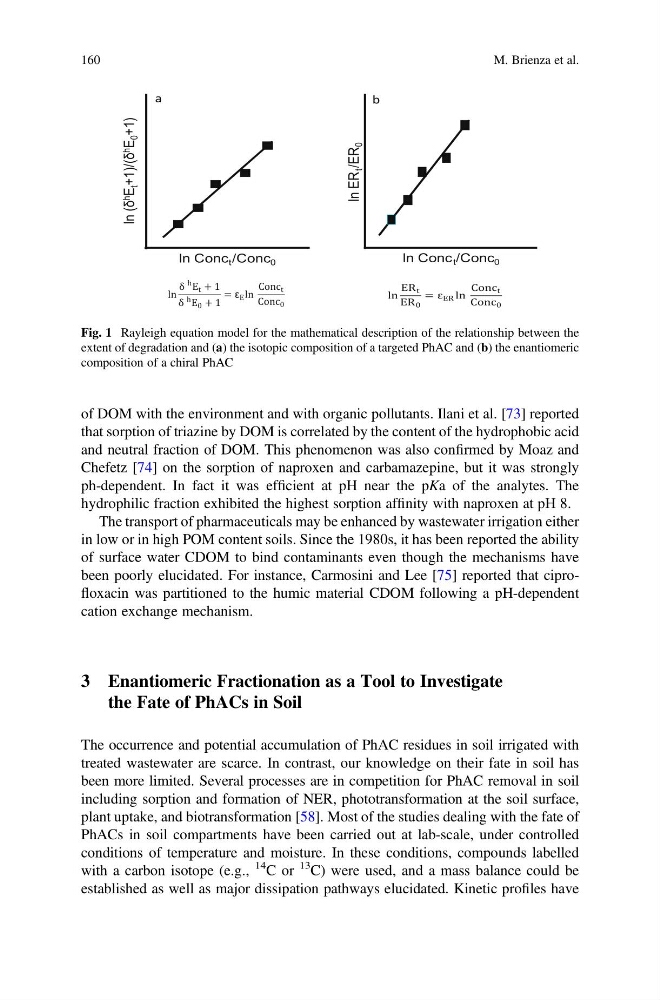
Fig. 1 Rayleigh equation model for the mathematical description of the relationship between the
extent of degradation and (a) the isotopic composition of a targeted PhAC and (b) the enantiomeric
composition of a chiral PhAC
160
M. Brienza et al.
that sorption of triazine by DOM is correlated by the content of the hydrophobic acid
and neutral fraction of DOM. This phenomenon was also confirmed by Moaz and
Chefetz [74] on the sorption of naproxen and carbamazepine, but it was strongly
ph-dependent. In fact it was efficient at pH near the pKa of the analytes. The
hydrophilic fraction exhibited the highest sorption affinity with naproxen at pH 8.
The transport of pharmaceuticals may be enhanced by wastewater irrigation either
in low or in high POM content soils. Since the 1980s, it has been reported the ability
of surface water CDOM to bind contaminants even though the mechanisms have
been poorly elucidated. For instance, Carmosini and Lee [75] reported that ciprofloxacin was partitioned to the humic material CDOM following a pH-dependent
cation exchange mechanism.
3 Enantiomeric Fractionation as a Tool to Investigate
the Fate of PhACs in Soil
The occurrence and potential accumulation of PhAC residues in soil irrigated with
treated wastewater are scarce. In contrast, our knowledge on their fate in soil has
been more limited. Several processes are in competition for PhAC removal in soil
including sorption and formation of NER, phototransformation at the soil surface,
plant uptake, and biotransformation [58]. Most of the studies dealing with the fate of
PhACs in soil compartments have been carried out at lab-scale, under controlled
conditions of temperature and moisture. In these conditions, compounds labelled
with a carbon isotope (e.g.,
14 C or
13 C) were used, and a mass balance could be
established as well as major dissipation pathways elucidated. Kinetic profiles have
Fig. 1 Rayleigh equation model for the mathematical description of the relationship between the
extent of degradation and (a) the isotopic composition of a targeted PhAC and (b) the enantiomeric
composition of a chiral PhAC
160
M. Brienza et al.