

135
production is controlled by the demand for propylene epoxide required for the production of propylene glycols and polyurethanes. Therefore, attempts are being made
to carry out direct epoxidation of propene to propylene epoxide on catalysts based
on silver and gold in the presence of propene, hydrogen, and oxygen [149]. SHELL
is currently exploring another source of oxygen, cumene hydroperoxide from phenol plants [149]. Another drawback in the SMPO production plant is the use of
high-pressure reactors (20–50 bar). Hence, there is a need to develop energyefficient and cost-effective process for styrene production, considering the aforementioned limitations of currently practiced commercial processes.
1.3.2 Development of Alternate Process for Styrene Production
Toluene and methanol can be alkylated for the production of styrene as an alternative route based on the single-step side-chain alkylation to produce styrene directly
with the formation of hydrogen and water as co-products. A great deal of research
has been done in the last four to five decades in this area; however, the development
of the catalyst to match the yields and selectivity of the commercial processes has
been difficult. The advantages of this process are the use of cost-effective raw materials. In any process, about 90% of the operating cost comprises the raw materials
used for production, and lower cost feedstocks can impact the economics of the
process to a large extent. The raw material savings are obtained by replacing toluene
and methanol with benzene and ethylene. The new process completely eliminates
the highly energy-intensive EB dehydrogenation step and is one of the primary drivers for research in this area. This step is a part of the conventional process that uses
large amounts of superheated steam to provide the endothermic heat of reaction and
is a significant addition to the operating cost of the plant. The endotherm is about
half as large for the side-chain alkylation reaction, and this, combined with the
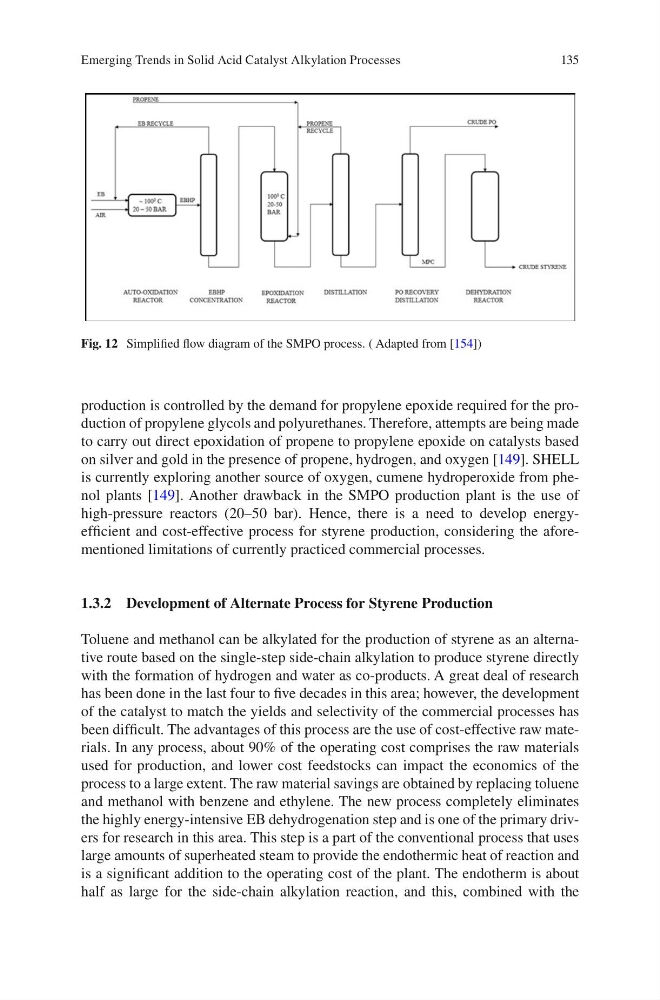
Fig. 12 Simplified flow diagram of the SMPO process. ( Adapted from [154])
Emerging Trends in Solid Acid Catalyst Alkylation Processes
production is controlled by the demand for propylene epoxide required for the production of propylene glycols and polyurethanes. Therefore, attempts are being made
to carry out direct epoxidation of propene to propylene epoxide on catalysts based
on silver and gold in the presence of propene, hydrogen, and oxygen [149]. SHELL
is currently exploring another source of oxygen, cumene hydroperoxide from phenol plants [149]. Another drawback in the SMPO production plant is the use of
high-pressure reactors (20–50 bar). Hence, there is a need to develop energyefficient and cost-effective process for styrene production, considering the aforementioned limitations of currently practiced commercial processes.
1.3.2 Development of Alternate Process for Styrene Production
Toluene and methanol can be alkylated for the production of styrene as an alternative route based on the single-step side-chain alkylation to produce styrene directly
with the formation of hydrogen and water as co-products. A great deal of research
has been done in the last four to five decades in this area; however, the development
of the catalyst to match the yields and selectivity of the commercial processes has
been difficult. The advantages of this process are the use of cost-effective raw materials. In any process, about 90% of the operating cost comprises the raw materials
used for production, and lower cost feedstocks can impact the economics of the
process to a large extent. The raw material savings are obtained by replacing toluene
and methanol with benzene and ethylene. The new process completely eliminates
the highly energy-intensive EB dehydrogenation step and is one of the primary drivers for research in this area. This step is a part of the conventional process that uses
large amounts of superheated steam to provide the endothermic heat of reaction and
is a significant addition to the operating cost of the plant. The endotherm is about
half as large for the side-chain alkylation reaction, and this, combined with the
Fig. 12 Simplified flow diagram of the SMPO process. ( Adapted from [154])
Emerging Trends in Solid Acid Catalyst Alkylation Processes