

71
levels of wellbeing and the subsequent implications for the field of wellbeing research and
application as a whole (Applied Survey Research
2016). Several takeaways from this session had
the most impact, including (1) wellbeing exists in
domains beyond those aforementioned; (2) it is
important to achieve wellbeing for all; and (3)
equity has an important role in this conversation.
In effect, this session demonstrated that without these noted components, social connectedness as a bridge between individual and
community wellbeing is incomplete and cannot
be leveraged or attained. Wellbeing is not a concept that can be measured in a vacuum. It also has
a positive impact at individual and community
levels by changing the way people work together.
The CAP addresses these concerns and the
relationship between individual and collective
wellbeing by using common indicators to report
population-level data, trend data, and integration of a community survey, which captures the
sentiments of a representative sample of the
county every two years. CAP secondary data
are composed of a public set of populationlevel quantitative and qualitative measures of
wellbeing derived from sources that include the
US Census Bureau’s American Community
Survey. Through the community survey, assetbased measures of subjective and objective
aspects of wellbeing are collected and disaggregated, delivering trend data that focuses on both
individual and community strengths. Further
analysis allows us to explore these data by age,
gender, region, housing status, race/ethnicity,
and income level. Measures are regularly
reviewed to remain comparable with global
efforts. This work is supported by associations
that Santa Cruz County has cultivated with
RWJF and UWPHI’s County Health Rankings
and its participation in the CIC and the
Organisation for Economic Co-operation and
Development (OECD), specifically connecting
to OECD’s work on the Better Life Index.
Sustained relationships with these national and
international organizations have provided Santa
Cruz County the unique opportunity to learn
and leverage best practices locally to better
explore and understand the alignment between
individual and group wellbeing at local,
national, and international levels.
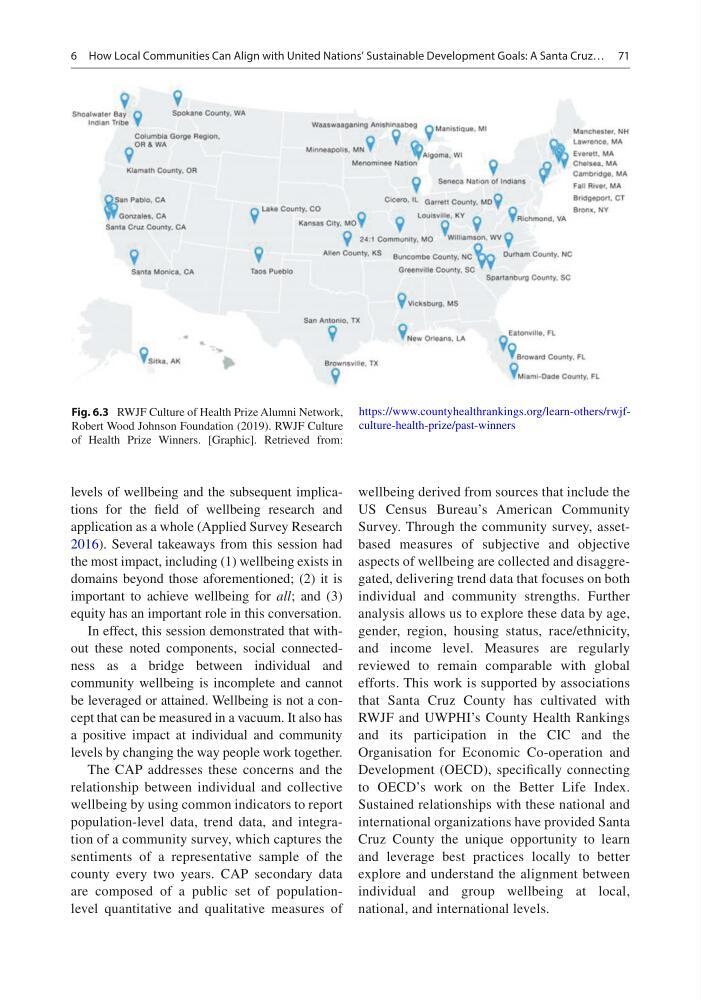
Fig. 6.3 RWJF Culture of Health Prize Alumni Network,
Robert Wood Johnson Foundation (2019). RWJF Culture
of Health Prize Winners. [Graphic]. Retrieved from:
https://www.countyhealthrankings.org/learn-others/rwjfculture-health-prize/past-winners
6 How Local Communities Can Align with United Nations’ Sustainable Development Goals: A Santa Cruz…
levels of wellbeing and the subsequent implications for the field of wellbeing research and
application as a whole (Applied Survey Research
2016). Several takeaways from this session had
the most impact, including (1) wellbeing exists in
domains beyond those aforementioned; (2) it is
important to achieve wellbeing for all; and (3)
equity has an important role in this conversation.
In effect, this session demonstrated that without these noted components, social connectedness as a bridge between individual and
community wellbeing is incomplete and cannot
be leveraged or attained. Wellbeing is not a concept that can be measured in a vacuum. It also has
a positive impact at individual and community
levels by changing the way people work together.
The CAP addresses these concerns and the
relationship between individual and collective
wellbeing by using common indicators to report
population-level data, trend data, and integration of a community survey, which captures the
sentiments of a representative sample of the
county every two years. CAP secondary data
are composed of a public set of populationlevel quantitative and qualitative measures of
wellbeing derived from sources that include the
US Census Bureau’s American Community
Survey. Through the community survey, assetbased measures of subjective and objective
aspects of wellbeing are collected and disaggregated, delivering trend data that focuses on both
individual and community strengths. Further
analysis allows us to explore these data by age,
gender, region, housing status, race/ethnicity,
and income level. Measures are regularly
reviewed to remain comparable with global
efforts. This work is supported by associations
that Santa Cruz County has cultivated with
RWJF and UWPHI’s County Health Rankings
and its participation in the CIC and the
Organisation for Economic Co-operation and
Development (OECD), specifically connecting
to OECD’s work on the Better Life Index.
Sustained relationships with these national and
international organizations have provided Santa
Cruz County the unique opportunity to learn
and leverage best practices locally to better
explore and understand the alignment between
individual and group wellbeing at local,
national, and international levels.
Fig. 6.3 RWJF Culture of Health Prize Alumni Network,
Robert Wood Johnson Foundation (2019). RWJF Culture
of Health Prize Winners. [Graphic]. Retrieved from:
https://www.countyhealthrankings.org/learn-others/rwjfculture-health-prize/past-winners
6 How Local Communities Can Align with United Nations’ Sustainable Development Goals: A Santa Cruz…