

60
inequalities reduction. It makes sense however
that the CMR has not placed importance on goals
or targets related to SDG 14 (Life below water),
since Maple Ridge is not by the ocean and therefore ocean and marine life protection are not
within the city’s priorities.
At the target level, we found out that although
the DNV’s higher-level policy documents contained a lot of recommendations and broad statements for the future, very few seemed to
correspond to actionable, measurable targets. We
identified 20 targets in the DNV OCP and other
major policy documents, such as the
Transportation Plan, the Parks and Open Spaces
Strategic Plan, the Rental and Affordable Housing
Strategy, the Climate Change Adaptation
Strategy, and the Integrated Stormwater
Management Strategy. These 20 targets corresponded to 18 (out of 169) SDG targets that are
related to SDGs 1, 2, 3, 6, 8, 9, 10, and 11. In
CMR, the picture is similar: we identified ten targets in the OCP, the Parks, Recreation and Culture
Plan, and the Environmental Management
Strategy. These ten targets correspond to only
five SDG targets which are part of SDGs 6, 11,
and 12.
Despite the partial alignment at the goals
level, the result from the indicators mapping was
different, as shown in Fig. 5.5. DNV’s 26 indicators monitor progress of OCP goal implementation and range from urban growth management
and park/open spaces to economic development,
transportation, and climate action (District of
North Vancouver 2011). These 26 indicators covered only 11.9% of the SDG indicators. We
excluded 115 SDG indicators that were deemed
not applicable in the District context since the
SDG framework is mainly oriented toward countries. However, even after excluding those 115
SDG indicators, DNV indicators still covered
only 25% of the remaining SDG indicators that
were applicable. In contrast, the CCT indicators
pool overlaps with the SDG indicators by more
than 53%.
The City of Maple Ridge indicators mapping,
on the other hand, is consistent with DNV results.
CMR measures progress and performance across
69 indicators
6
ranging from energy efficiency and
transportation safety and accessibility to
6 The City of Maple Ridge calls its indicators
“scorecards.”
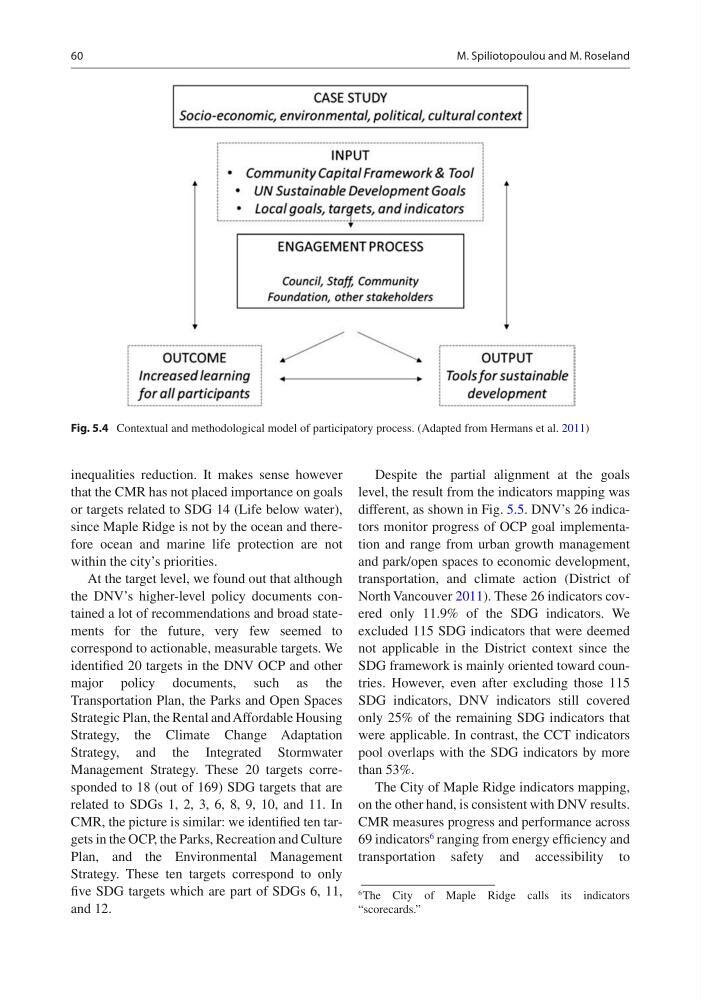
Fig. 5.4 Contextual and methodological model of participatory process. (Adapted from Hermans et al. 2011)
M. Spiliotopoulou and M. Roseland
inequalities reduction. It makes sense however
that the CMR has not placed importance on goals
or targets related to SDG 14 (Life below water),
since Maple Ridge is not by the ocean and therefore ocean and marine life protection are not
within the city’s priorities.
At the target level, we found out that although
the DNV’s higher-level policy documents contained a lot of recommendations and broad statements for the future, very few seemed to
correspond to actionable, measurable targets. We
identified 20 targets in the DNV OCP and other
major policy documents, such as the
Transportation Plan, the Parks and Open Spaces
Strategic Plan, the Rental and Affordable Housing
Strategy, the Climate Change Adaptation
Strategy, and the Integrated Stormwater
Management Strategy. These 20 targets corresponded to 18 (out of 169) SDG targets that are
related to SDGs 1, 2, 3, 6, 8, 9, 10, and 11. In
CMR, the picture is similar: we identified ten targets in the OCP, the Parks, Recreation and Culture
Plan, and the Environmental Management
Strategy. These ten targets correspond to only
five SDG targets which are part of SDGs 6, 11,
and 12.
Despite the partial alignment at the goals
level, the result from the indicators mapping was
different, as shown in Fig. 5.5. DNV’s 26 indicators monitor progress of OCP goal implementation and range from urban growth management
and park/open spaces to economic development,
transportation, and climate action (District of
North Vancouver 2011). These 26 indicators covered only 11.9% of the SDG indicators. We
excluded 115 SDG indicators that were deemed
not applicable in the District context since the
SDG framework is mainly oriented toward countries. However, even after excluding those 115
SDG indicators, DNV indicators still covered
only 25% of the remaining SDG indicators that
were applicable. In contrast, the CCT indicators
pool overlaps with the SDG indicators by more
than 53%.
The City of Maple Ridge indicators mapping,
on the other hand, is consistent with DNV results.
CMR measures progress and performance across
69 indicators
6
ranging from energy efficiency and
transportation safety and accessibility to
6 The City of Maple Ridge calls its indicators
“scorecards.”
Fig. 5.4 Contextual and methodological model of participatory process. (Adapted from Hermans et al. 2011)
M. Spiliotopoulou and M. Roseland