

Indicators in the Framework of Partial Order
21
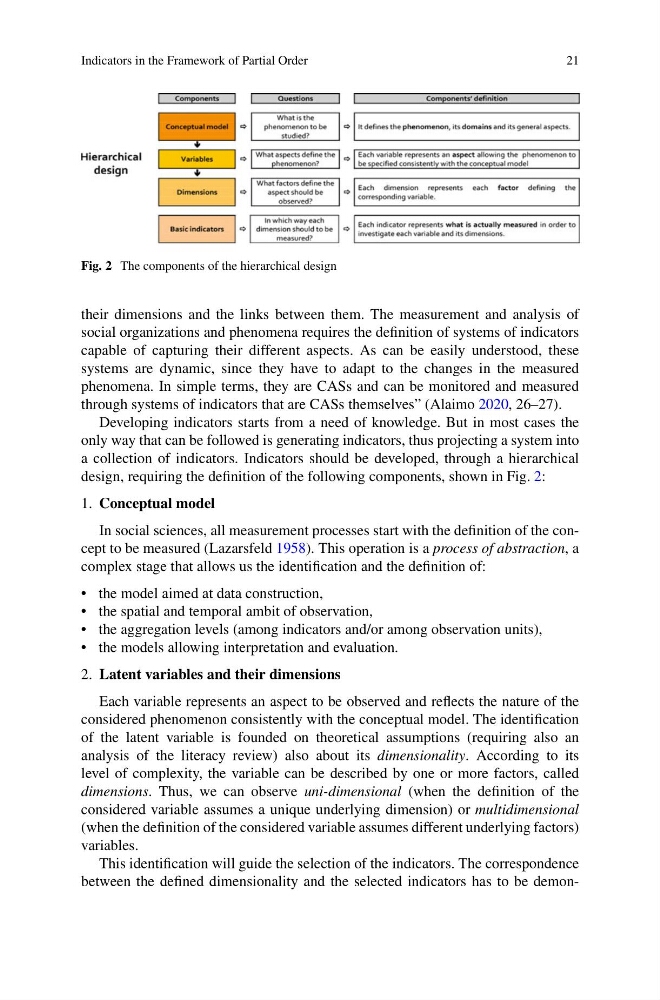
Fig. 2 The components of the hierarchical design
their dimensions and the links between them. The measurement and analysis of
social organizations and phenomena requires the definition of systems of indicators
capable of capturing their different aspects. As can be easily understood, these
systems are dynamic, since they have to adapt to the changes in the measured
phenomena. In simple terms, they are CASs and can be monitored and measured
through systems of indicators that are CASs themselves” (Alaimo 2020, 26–27).
Developing indicators starts from a need of knowledge. But in most cases the
only way that can be followed is generating indicators, thus projecting a system into
a collection of indicators. Indicators should be developed, through a hierarchical
design, requiring the definition of the following components, shown in Fig. 2:
1. Conceptual model
In social sciences, all measurement processes start with the definition of the concept to be measured (Lazarsfeld 1958). This operation is a process of abstraction, a
complex stage that allows us the identification and the definition of:
• the model aimed at data construction,
• the spatial and temporal ambit of observation,
• the aggregation levels (among indicators and/or among observation units),
• the models allowing interpretation and evaluation.
2. Latent variables and their dimensions
Each variable represents an aspect to be observed and reflects the nature of the
considered phenomenon consistently with the conceptual model. The identification
of the latent variable is founded on theoretical assumptions (requiring also an
analysis of the literacy review) also about its dimensionality. According to its
level of complexity, the variable can be described by one or more factors, called
dimensions. Thus, we can observe uni-dimensional (when the definition of the
considered variable assumes a unique underlying dimension) or multidimensional
(when the definition of the considered variable assumes different underlying factors)
variables.
This identification will guide the selection of the indicators. The correspondence
between the defined dimensionality and the selected indicators has to be demon-
21
Fig. 2 The components of the hierarchical design
their dimensions and the links between them. The measurement and analysis of
social organizations and phenomena requires the definition of systems of indicators
capable of capturing their different aspects. As can be easily understood, these
systems are dynamic, since they have to adapt to the changes in the measured
phenomena. In simple terms, they are CASs and can be monitored and measured
through systems of indicators that are CASs themselves” (Alaimo 2020, 26–27).
Developing indicators starts from a need of knowledge. But in most cases the
only way that can be followed is generating indicators, thus projecting a system into
a collection of indicators. Indicators should be developed, through a hierarchical
design, requiring the definition of the following components, shown in Fig. 2:
1. Conceptual model
In social sciences, all measurement processes start with the definition of the concept to be measured (Lazarsfeld 1958). This operation is a process of abstraction, a
complex stage that allows us the identification and the definition of:
• the model aimed at data construction,
• the spatial and temporal ambit of observation,
• the aggregation levels (among indicators and/or among observation units),
• the models allowing interpretation and evaluation.
2. Latent variables and their dimensions
Each variable represents an aspect to be observed and reflects the nature of the
considered phenomenon consistently with the conceptual model. The identification
of the latent variable is founded on theoretical assumptions (requiring also an
analysis of the literacy review) also about its dimensionality. According to its
level of complexity, the variable can be described by one or more factors, called
dimensions. Thus, we can observe uni-dimensional (when the definition of the
considered variable assumes a unique underlying dimension) or multidimensional
(when the definition of the considered variable assumes different underlying factors)
variables.
This identification will guide the selection of the indicators. The correspondence
between the defined dimensionality and the selected indicators has to be demon-