

8.7 Is the Sacred City Possible?
In the transition from the sanitary to the sustainable city, the human perception of
nature shifts from concerns about the substances that need to be flushed, removed, or
hidden to opportunities for bioengineered systems that perform essential functions.
All such activity continues in the sacred city, but with the additional opportunity to
provide nature-based features that engage urban residents and enhance their spiritual
and social well-being.
8.7.1 Policy Precedents
Institutional initiative, combined with resident engagement, encourages the civic
sacred. While simply said, the necessary policies and practices are complex. In 2015,
all member states of the United Nations adopted a platform of 17 Sustainable
Development Goals (SDGs) intended to be “the world’s best plan to build a better
world for people and our planet by 2030” (United Nations 2020). The SDGs are a
call for action by all countries—poor, rich, and middle income—to promote prosperity while protecting the environment. They establish baseline performance goals
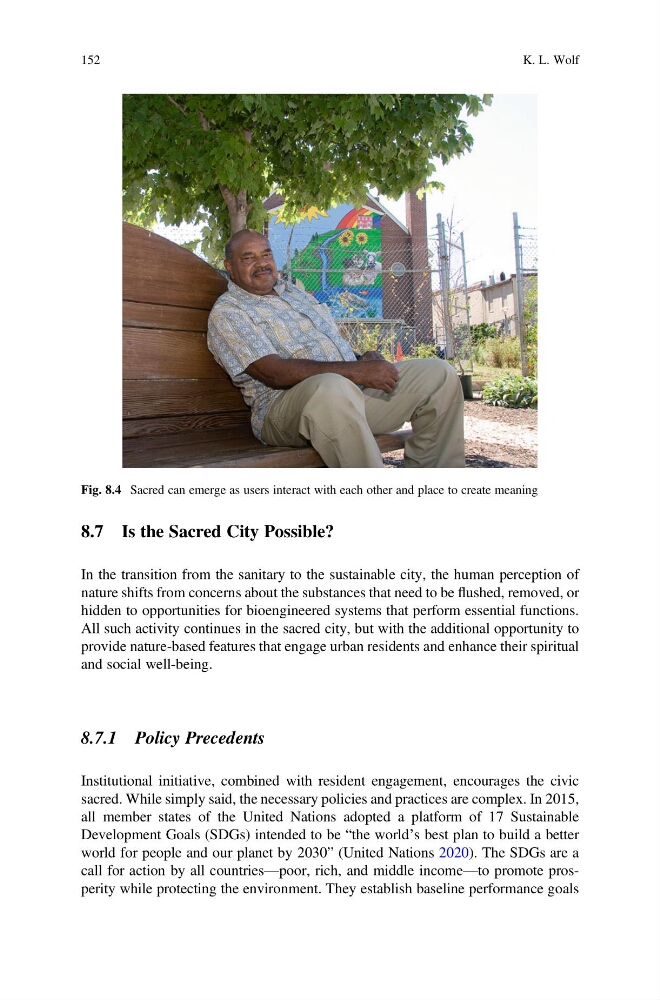
Fig. 8.4 Sacred can emerge as users interact with each other and place to create meaning
152
K. L. Wolf
In the transition from the sanitary to the sustainable city, the human perception of
nature shifts from concerns about the substances that need to be flushed, removed, or
hidden to opportunities for bioengineered systems that perform essential functions.
All such activity continues in the sacred city, but with the additional opportunity to
provide nature-based features that engage urban residents and enhance their spiritual
and social well-being.
8.7.1 Policy Precedents
Institutional initiative, combined with resident engagement, encourages the civic
sacred. While simply said, the necessary policies and practices are complex. In 2015,
all member states of the United Nations adopted a platform of 17 Sustainable
Development Goals (SDGs) intended to be “the world’s best plan to build a better
world for people and our planet by 2030” (United Nations 2020). The SDGs are a
call for action by all countries—poor, rich, and middle income—to promote prosperity while protecting the environment. They establish baseline performance goals
Fig. 8.4 Sacred can emerge as users interact with each other and place to create meaning
152
K. L. Wolf