

Table 1 Cultivation progress in %
Habitate
(%)
Sea water
0.001–0.1
Mesotrophe lakes
0.1–1
Estuary
0.1–3
Sediments
0.25
Soil
0.3
Activated sludge
1–15
Human faeces
20–40
Oral cavity
>50
Amann et al. [1]
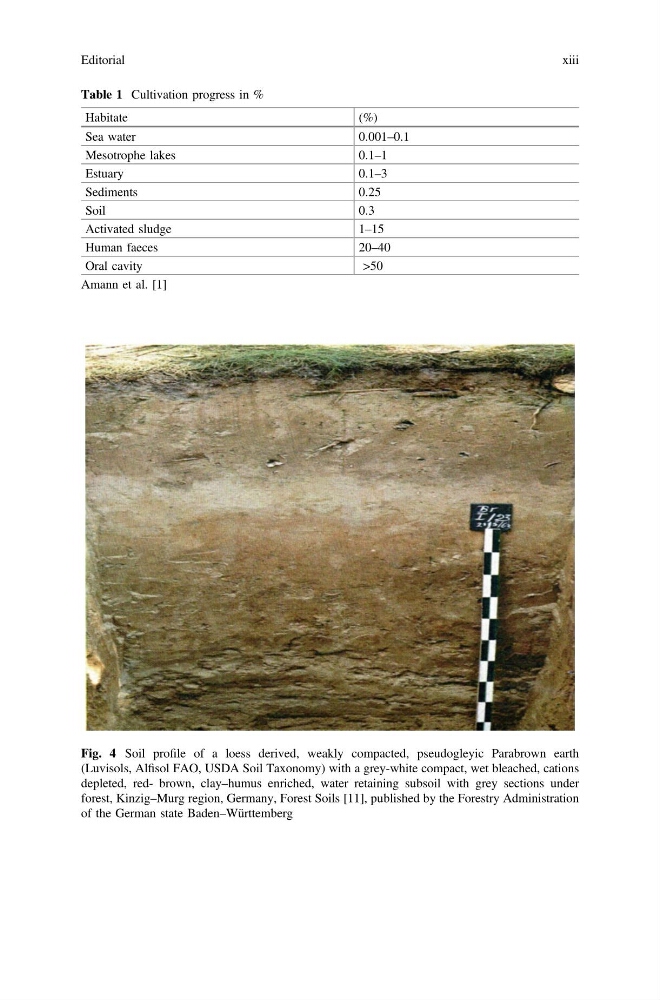
Fig. 4 Soil profile of a loess derived, weakly compacted, pseudogleyic Parabrown earth
(Luvisols, Alfisol FAO, USDA Soil Taxonomy) with a grey-white compact, wet bleached, cations
depleted, red- brown, clay–humus enriched, water retaining subsoil with grey sections under
forest, Kinzig–Murg region, Germany, Forest Soils [11], published by the Forestry Administration
of the German state Baden–Württemberg
Editorial
xiii
Habitate
(%)
Sea water
0.001–0.1
Mesotrophe lakes
0.1–1
Estuary
0.1–3
Sediments
0.25
Soil
0.3
Activated sludge
1–15
Human faeces
20–40
Oral cavity
>50
Amann et al. [1]
Fig. 4 Soil profile of a loess derived, weakly compacted, pseudogleyic Parabrown earth
(Luvisols, Alfisol FAO, USDA Soil Taxonomy) with a grey-white compact, wet bleached, cations
depleted, red- brown, clay–humus enriched, water retaining subsoil with grey sections under
forest, Kinzig–Murg region, Germany, Forest Soils [11], published by the Forestry Administration
of the German state Baden–Württemberg
Editorial
xiii