

This notwithstanding, it became clear that some sort of agreement for the
conservation of small cetaceans would have to be found. Particularly the
Netherlands fostered the idea of a regional agreement for the North and Baltic
Seas in order to achieve quick results. At the initiative of Sweden, an agreement
text was drafted and finally, in 1990, a first Memorandum of Understanding on Small
Cetaceans in the North Sea was signed in The Hague. Since an MoU is not legallybinding, it lacked ‘teeth’ for the effective protection of small cetaceans. Sweden,
therefore, took up the initiative and developed the MoU further for it to turn into a
legally-binding agreement for the states concerned. Thus, in 1992 ASCOBANS was
opened for signature.
ASCOBANS aims to provide for a favourable conservation status for all small
cetaceans, i.e. all toothed whales except for sperm whales, in the treaty area. This
means essentially two things: first, even though the agreement does not spell it out,
the lethal taking of small cetaceans is prohibited. This is true particularly in light of
the Convention on the Conservation of European Wildlife and Habitats, which
strictly prohibits the taking of cetaceans, as we have seen in Chap. 4. Second, parties
to the agreement are to reduce those factors that contribute to the decline of small
cetaceans in the treaty area. This pledge translates into the reduction of noise and
other pollution, the modification of fishing gear to reduce by-catch and to reduce the
impact on those species that serve as food sources for small cetaceans in the treaty
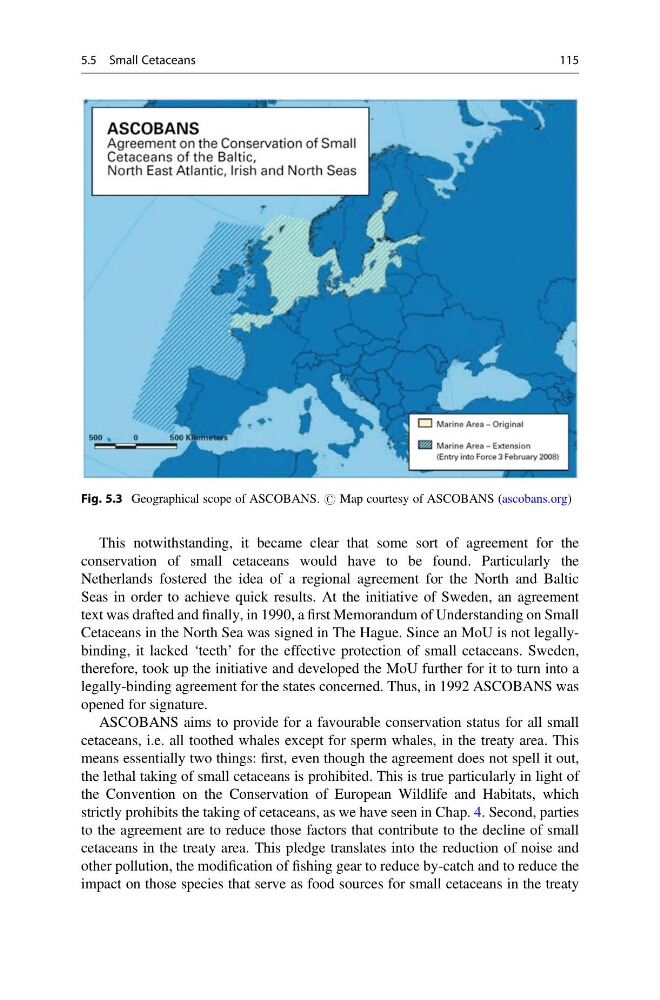
Fig. 5.3 Geographical scope of ASCOBANS. # Map courtesy of ASCOBANS (ascobans.org)
5.5 Small Cetaceans
115
conservation of small cetaceans would have to be found. Particularly the
Netherlands fostered the idea of a regional agreement for the North and Baltic
Seas in order to achieve quick results. At the initiative of Sweden, an agreement
text was drafted and finally, in 1990, a first Memorandum of Understanding on Small
Cetaceans in the North Sea was signed in The Hague. Since an MoU is not legallybinding, it lacked ‘teeth’ for the effective protection of small cetaceans. Sweden,
therefore, took up the initiative and developed the MoU further for it to turn into a
legally-binding agreement for the states concerned. Thus, in 1992 ASCOBANS was
opened for signature.
ASCOBANS aims to provide for a favourable conservation status for all small
cetaceans, i.e. all toothed whales except for sperm whales, in the treaty area. This
means essentially two things: first, even though the agreement does not spell it out,
the lethal taking of small cetaceans is prohibited. This is true particularly in light of
the Convention on the Conservation of European Wildlife and Habitats, which
strictly prohibits the taking of cetaceans, as we have seen in Chap. 4. Second, parties
to the agreement are to reduce those factors that contribute to the decline of small
cetaceans in the treaty area. This pledge translates into the reduction of noise and
other pollution, the modification of fishing gear to reduce by-catch and to reduce the
impact on those species that serve as food sources for small cetaceans in the treaty
Fig. 5.3 Geographical scope of ASCOBANS. # Map courtesy of ASCOBANS (ascobans.org)
5.5 Small Cetaceans
115