

9 Bioethanol Production: Technological
Feasibility
Although the entire world is focusing on the paradigm shift
in the production of 2G and third-generation (3G) biofuels,
there are certain technological challenges (Kumar et al.
2019) in this regard which are explained below.
Feedstock availability: Since the choice of substrate for
bioethanol production in the scope of this book chapter is
limited to food wastes (i.e. agro-based), the availability
and supply of these at all times is a serious concern. Biofuels
generation should not compete for land with agricultural
activity. Higher rates of biofuel generation would also mean
a continuous substrate availability. And, in order to increase
the accessibility to more wastes, a higher rate of agricultural
land conversion would be necessary, causing deforestation.
Hence, in wastes-conversion processes, feedstock availability is a major bottleneck.
Pretreatment design: The choice of a pretreatment technique is always substrate-dependent. Since food waste
encompasses a wide range of substrates within, for example,
pectin-based biomasses (citrus wastes), lignocellulosic-based
biomasses (coffee pulp), the pretreatment method for
each substrate would vary too. A poor pretreatment technique with respect to its associated energy consumption,
lignin heterogeneity, or inhibitory-components formation
would largely affect the overall economic or technical
competitiveness of the bioethanol-production process
(Kumar et al. 2019).
Sugar concentration: Each class of biomass within food
wastes is structurally different from another and therefore,
each one leads to a different sugar concentration in the fermentable hydrolysate. Hydrolysates with lower levels of
sugar concentration can add to the overall downstreamprocessing cost for ethanol recovery.
Product inhibition: Ethanol production through the bioconversion route, unlike the thermochemical route, is greatly
affected by product inhibition. In microbial fermentation, the
product concentration in the fermentation broth should be
maintained well within a range. The products formed, start
affecting the cell membranes by disrupting their integrity if
present beyond the range (Kumar et al. 2019).
Lack of resources: Biofuels (1G, 2G, or 3G) production
from biomass has high levels of water requirement, in all the
stages of the processes like pretreatment and hydrolysis,
microbial fermentation, and so on. Moreover, the production
of food crops like rice, wheat, and maize, which are mostly
utilized for 1G and 2G biofuels production, has high levels
of water requirement. Process water economy is, therefore,
an important factor directly affecting the economic competitiveness of the biofuel so produced (Kumar et al. 2019).
Growth inhibition and toxic compound: The formation of
inhibitory compounds during bioconversion of most of the
lignocellulosic-based biomasses is yet another problem. Toxic
compounds like acetate, furfural, 5-hydroxymethylfurfural
(HMF), and phenolic compounds are formed as by-products
of the pretreatment processes and they affect the growth rate of
the fermenting organisms such that the growth is arrested and
thus the overall ethanol yield is affected (Sakai et al. 2007).
Enzyme cost and reusability: The enzymatic pretreatments of lignocellulosic biomasses using enzymes called
cellulases and hemicellulases are expensive processes as
these use purified enzyme extracts which account for 20–
40% of the total cost. Also, due to the complexity in the
structural configuration of the biomass, it is highly recalcitrant (Maitan-Alfenas et al. 2015). Enzyme recyclability
enhances its productivity (product yield per quantity of
enzyme applied) (Weiss et al. 2013). Therefore, it is highly
recommended to focus on enzyme reusability to make the
process economically feasible.
Storage: The high levels of organic content present in the
food wastes pose an operational problem of decay/degradation
of the biomass if moisture removal is not done effectively prior
to storage. Drying is yet another mechanical operation which
would add to the overall cost of the process (Hegde et al. 2018).
Standardization: Due to inconsistency and nonuniformity in the nature of the food wastes in different
sectors across the globe, the feasibility of standardization of
an ethanol-production process is a bit cumbersome.
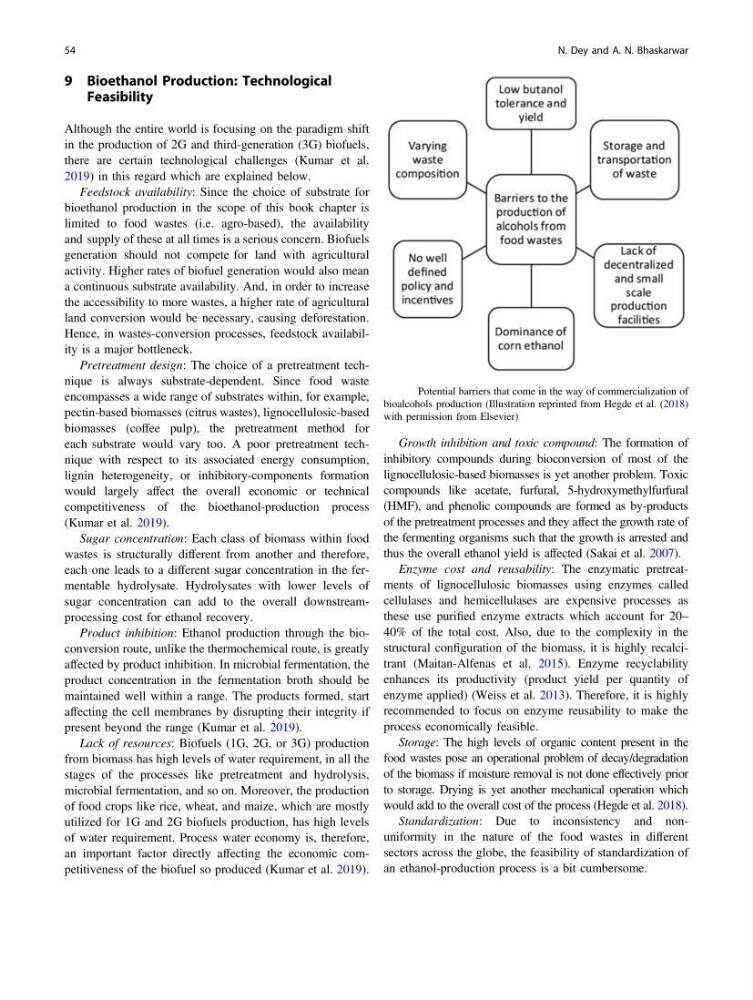
Fig. 4 Potential barriers that come in the way of commercialization of
bioalcohols production (Illustration reprinted from Hegde et al. (2018)
with permission from Elsevier)
54
N. Dey and A. N. Bhaskarwar
Feasibility
Although the entire world is focusing on the paradigm shift
in the production of 2G and third-generation (3G) biofuels,
there are certain technological challenges (Kumar et al.
2019) in this regard which are explained below.
Feedstock availability: Since the choice of substrate for
bioethanol production in the scope of this book chapter is
limited to food wastes (i.e. agro-based), the availability
and supply of these at all times is a serious concern. Biofuels
generation should not compete for land with agricultural
activity. Higher rates of biofuel generation would also mean
a continuous substrate availability. And, in order to increase
the accessibility to more wastes, a higher rate of agricultural
land conversion would be necessary, causing deforestation.
Hence, in wastes-conversion processes, feedstock availability is a major bottleneck.
Pretreatment design: The choice of a pretreatment technique is always substrate-dependent. Since food waste
encompasses a wide range of substrates within, for example,
pectin-based biomasses (citrus wastes), lignocellulosic-based
biomasses (coffee pulp), the pretreatment method for
each substrate would vary too. A poor pretreatment technique with respect to its associated energy consumption,
lignin heterogeneity, or inhibitory-components formation
would largely affect the overall economic or technical
competitiveness of the bioethanol-production process
(Kumar et al. 2019).
Sugar concentration: Each class of biomass within food
wastes is structurally different from another and therefore,
each one leads to a different sugar concentration in the fermentable hydrolysate. Hydrolysates with lower levels of
sugar concentration can add to the overall downstreamprocessing cost for ethanol recovery.
Product inhibition: Ethanol production through the bioconversion route, unlike the thermochemical route, is greatly
affected by product inhibition. In microbial fermentation, the
product concentration in the fermentation broth should be
maintained well within a range. The products formed, start
affecting the cell membranes by disrupting their integrity if
present beyond the range (Kumar et al. 2019).
Lack of resources: Biofuels (1G, 2G, or 3G) production
from biomass has high levels of water requirement, in all the
stages of the processes like pretreatment and hydrolysis,
microbial fermentation, and so on. Moreover, the production
of food crops like rice, wheat, and maize, which are mostly
utilized for 1G and 2G biofuels production, has high levels
of water requirement. Process water economy is, therefore,
an important factor directly affecting the economic competitiveness of the biofuel so produced (Kumar et al. 2019).
Growth inhibition and toxic compound: The formation of
inhibitory compounds during bioconversion of most of the
lignocellulosic-based biomasses is yet another problem. Toxic
compounds like acetate, furfural, 5-hydroxymethylfurfural
(HMF), and phenolic compounds are formed as by-products
of the pretreatment processes and they affect the growth rate of
the fermenting organisms such that the growth is arrested and
thus the overall ethanol yield is affected (Sakai et al. 2007).
Enzyme cost and reusability: The enzymatic pretreatments of lignocellulosic biomasses using enzymes called
cellulases and hemicellulases are expensive processes as
these use purified enzyme extracts which account for 20–
40% of the total cost. Also, due to the complexity in the
structural configuration of the biomass, it is highly recalcitrant (Maitan-Alfenas et al. 2015). Enzyme recyclability
enhances its productivity (product yield per quantity of
enzyme applied) (Weiss et al. 2013). Therefore, it is highly
recommended to focus on enzyme reusability to make the
process economically feasible.
Storage: The high levels of organic content present in the
food wastes pose an operational problem of decay/degradation
of the biomass if moisture removal is not done effectively prior
to storage. Drying is yet another mechanical operation which
would add to the overall cost of the process (Hegde et al. 2018).
Standardization: Due to inconsistency and nonuniformity in the nature of the food wastes in different
sectors across the globe, the feasibility of standardization of
an ethanol-production process is a bit cumbersome.
Fig. 4 Potential barriers that come in the way of commercialization of
bioalcohols production (Illustration reprinted from Hegde et al. (2018)
with permission from Elsevier)
54
N. Dey and A. N. Bhaskarwar