

dilute concentration 0.1% and the temperature high like
230 °C or acid in high concentration 30–70% along with
lower temperature 40 °C. The concentrated form of acidic
treatment causes more effective cellulose hydrolysis but it is
corrosive and toxic and requires very expensive reactors for
construction (Behera et al. 2014; Niphadkar et al. 2018;
Kumari and Singh 2018).
2.1.3 Physicochemical Bioconversion
Technologies
A combination of physical and chemical pretreatment
methods can enhance the cellulose accessibility for enzymatic hydrolysis via solubilizing the hemicelluloses and
abolishing the structure of lignin (Behera et al. 2014). It was
reported that to increase and enhance the efficiency of lignin
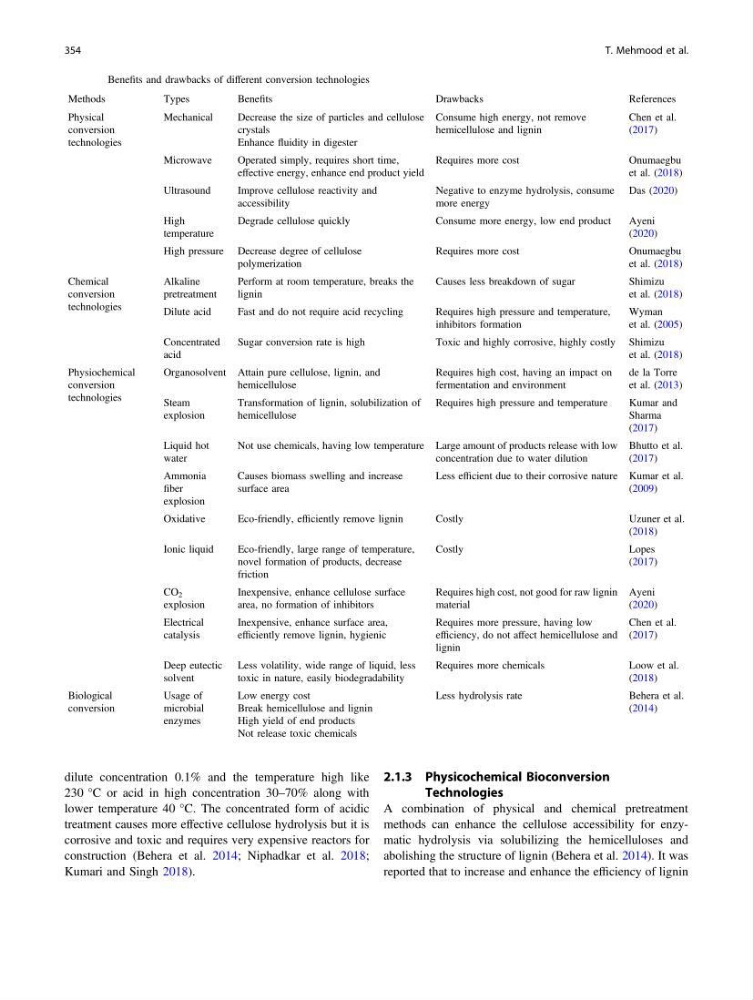
Table 3 Benefits and drawbacks of different conversion technologies
Methods
Types
Benefits
Drawbacks
References
Physical
conversion
technologies
Mechanical
Decrease the size of particles and cellulose
crystals
Enhance fluidity in digester
Consume high energy, not remove
hemicellulose and lignin
Chen et al.
(2017)
Microwave
Operated simply, requires short time,
effective energy, enhance end product yield
Requires more cost
Onumaegbu
et al. (2018)
Ultrasound
Improve cellulose reactivity and
accessibility
Negative to enzyme hydrolysis, consume
more energy
Das (2020)
High
temperature
Degrade cellulose quickly
Consume more energy, low end product
Ayeni
(2020)
High pressure Decrease degree of cellulose
polymerization
Requires more cost
Onumaegbu
et al. (2018)
Chemical
conversion
technologies
Alkaline
pretreatment
Perform at room temperature, breaks the
lignin
Causes less breakdown of sugar
Shimizu
et al. (2018)
Dilute acid
Fast and do not require acid recycling
Requires high pressure and temperature,
inhibitors formation
Wyman
et al. (2005)
Concentrated
acid
Sugar conversion rate is high
Toxic and highly corrosive, highly costly Shimizu
et al. (2018)
Physiochemical
conversion
technologies
Organosolvent Attain pure cellulose, lignin, and
hemicellulose
Requires high cost, having an impact on
fermentation and environment
de la Torre
et al. (2013)
Steam
explosion
Transformation of lignin, solubilization of
hemicellulose
Requires high pressure and temperature
Kumar and
Sharma
(2017)
Liquid hot
water
Not use chemicals, having low temperature Large amount of products release with low
concentration due to water dilution
Bhutto et al.
(2017)
Ammonia
fiber
explosion
Causes biomass swelling and increase
surface area
Less efficient due to their corrosive nature Kumar et al.
(2009)
Oxidative
Eco-friendly, efficiently remove lignin
Costly
Uzuner et al.
(2018)
Ionic liquid
Eco-friendly, large range of temperature,
novel formation of products, decrease
friction
Costly
Lopes
(2017)
CO 2
explosion
Inexpensive, enhance cellulose surface
area, no formation of inhibitors
Requires high cost, not good for raw lignin
material
Ayeni
(2020)
Electrical
catalysis
Inexpensive, enhance surface area,
efficiently remove lignin, hygienic
Requires more pressure, having low
efficiency, do not affect hemicellulose and
lignin
Chen et al.
(2017)
Deep eutectic
solvent
Less volatility, wide range of liquid, less
toxic in nature, easily biodegradability
Requires more chemicals
Loow et al.
(2018)
Biological
conversion
Usage of
microbial
enzymes
Low energy cost
Break hemicellulose and lignin
High yield of end products
Not release toxic chemicals
Less hydrolysis rate
Behera et al.
(2014)
354
T. Mehmood et al.
230 °C or acid in high concentration 30–70% along with
lower temperature 40 °C. The concentrated form of acidic
treatment causes more effective cellulose hydrolysis but it is
corrosive and toxic and requires very expensive reactors for
construction (Behera et al. 2014; Niphadkar et al. 2018;
Kumari and Singh 2018).
2.1.3 Physicochemical Bioconversion
Technologies
A combination of physical and chemical pretreatment
methods can enhance the cellulose accessibility for enzymatic hydrolysis via solubilizing the hemicelluloses and
abolishing the structure of lignin (Behera et al. 2014). It was
reported that to increase and enhance the efficiency of lignin
Table 3 Benefits and drawbacks of different conversion technologies
Methods
Types
Benefits
Drawbacks
References
Physical
conversion
technologies
Mechanical
Decrease the size of particles and cellulose
crystals
Enhance fluidity in digester
Consume high energy, not remove
hemicellulose and lignin
Chen et al.
(2017)
Microwave
Operated simply, requires short time,
effective energy, enhance end product yield
Requires more cost
Onumaegbu
et al. (2018)
Ultrasound
Improve cellulose reactivity and
accessibility
Negative to enzyme hydrolysis, consume
more energy
Das (2020)
High
temperature
Degrade cellulose quickly
Consume more energy, low end product
Ayeni
(2020)
High pressure Decrease degree of cellulose
polymerization
Requires more cost
Onumaegbu
et al. (2018)
Chemical
conversion
technologies
Alkaline
pretreatment
Perform at room temperature, breaks the
lignin
Causes less breakdown of sugar
Shimizu
et al. (2018)
Dilute acid
Fast and do not require acid recycling
Requires high pressure and temperature,
inhibitors formation
Wyman
et al. (2005)
Concentrated
acid
Sugar conversion rate is high
Toxic and highly corrosive, highly costly Shimizu
et al. (2018)
Physiochemical
conversion
technologies
Organosolvent Attain pure cellulose, lignin, and
hemicellulose
Requires high cost, having an impact on
fermentation and environment
de la Torre
et al. (2013)
Steam
explosion
Transformation of lignin, solubilization of
hemicellulose
Requires high pressure and temperature
Kumar and
Sharma
(2017)
Liquid hot
water
Not use chemicals, having low temperature Large amount of products release with low
concentration due to water dilution
Bhutto et al.
(2017)
Ammonia
fiber
explosion
Causes biomass swelling and increase
surface area
Less efficient due to their corrosive nature Kumar et al.
(2009)
Oxidative
Eco-friendly, efficiently remove lignin
Costly
Uzuner et al.
(2018)
Ionic liquid
Eco-friendly, large range of temperature,
novel formation of products, decrease
friction
Costly
Lopes
(2017)
CO 2
explosion
Inexpensive, enhance cellulose surface
area, no formation of inhibitors
Requires high cost, not good for raw lignin
material
Ayeni
(2020)
Electrical
catalysis
Inexpensive, enhance surface area,
efficiently remove lignin, hygienic
Requires more pressure, having low
efficiency, do not affect hemicellulose and
lignin
Chen et al.
(2017)
Deep eutectic
solvent
Less volatility, wide range of liquid, less
toxic in nature, easily biodegradability
Requires more chemicals
Loow et al.
(2018)
Biological
conversion
Usage of
microbial
enzymes
Low energy cost
Break hemicellulose and lignin
High yield of end products
Not release toxic chemicals
Less hydrolysis rate
Behera et al.
(2014)
354
T. Mehmood et al.