

312
18.7 Environmental and Health Concerns
Waste represents uncontrolled matter out-of-place, freely interacting and reacting,
cultivating bacteria, fungi and toxins that may pose direct threats to our health.
Waste is perhaps the most universal example of ecological risks in everyday life
(Loon 2002). In E-waste, the fraction including iron, copper, aluminium, gold, silver and other metals is over 60%, while plastics account for about 30%, and direct
hazardous pollutants comprise only about 2.70% (Widmer et al. 2005). The common associated health problems are respiratory difficulties, pneumonitis, tremors,
neuropsychiatric problems, convulsions, comas and even death (Halluite et al. 2005)
(Table 18.2).
Cut injuries and silicosis are common associated aliments. Discarded computer
chips are chemically treated with nitric and hydrochloric acid, i.e. through acid
leaching-emitting hydrocarbons, heavy metals and halogenated substances, and
causing corrosive injuries and breathing difficulties (Tsydenova and Bengtsson
2011). The use of indiscriminate acids for melting computer chips often causes
acidification of soil (Maheswari et al. 2013).
The toxic combustive fumes from the incineration of electronic waste cause air
pollution, and the untreated non-biodegradable landfills contaminate soil as well as
groundwater and even make way in food through bio-accumulation and harm
ecology.
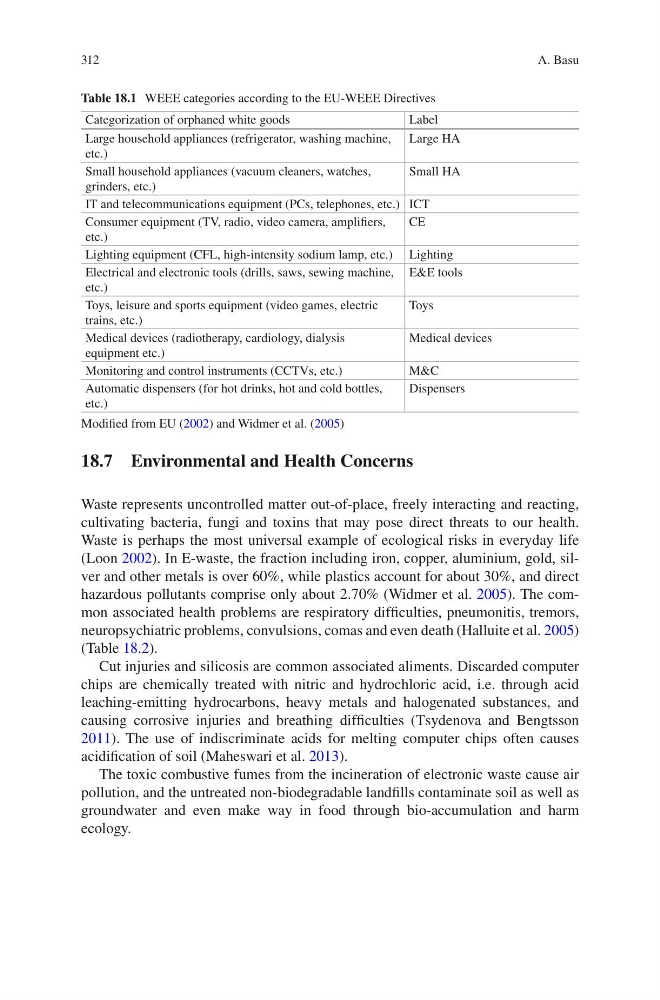
Table 18.1 WEEE categories according to the EU-WEEE Directives
Categorization of orphaned white goods
Label
Large household appliances (refrigerator, washing machine,
etc.)
Large HA
Small household appliances (vacuum cleaners, watches,
grinders, etc.)
Small HA
IT and telecommunications equipment (PCs, telephones, etc.) ICT
Consumer equipment (TV, radio, video camera, amplifiers,
etc.)
CE
Lighting equipment (CFL, high-intensity sodium lamp, etc.) Lighting
Electrical and electronic tools (drills, saws, sewing machine,
etc.)
E&E tools
Toys, leisure and sports equipment (video games, electric
trains, etc.)
Toys
Medical devices (radiotherapy, cardiology, dialysis
equipment etc.)
Medical devices
Monitoring and control instruments (CCTVs, etc.)
M&C
Automatic dispensers (for hot drinks, hot and cold bottles,
etc.)
Dispensers
Modified from EU (2002) and Widmer et al. (2005)
A. Basu
18.7 Environmental and Health Concerns
Waste represents uncontrolled matter out-of-place, freely interacting and reacting,
cultivating bacteria, fungi and toxins that may pose direct threats to our health.
Waste is perhaps the most universal example of ecological risks in everyday life
(Loon 2002). In E-waste, the fraction including iron, copper, aluminium, gold, silver and other metals is over 60%, while plastics account for about 30%, and direct
hazardous pollutants comprise only about 2.70% (Widmer et al. 2005). The common associated health problems are respiratory difficulties, pneumonitis, tremors,
neuropsychiatric problems, convulsions, comas and even death (Halluite et al. 2005)
(Table 18.2).
Cut injuries and silicosis are common associated aliments. Discarded computer
chips are chemically treated with nitric and hydrochloric acid, i.e. through acid
leaching-emitting hydrocarbons, heavy metals and halogenated substances, and
causing corrosive injuries and breathing difficulties (Tsydenova and Bengtsson
2011). The use of indiscriminate acids for melting computer chips often causes
acidification of soil (Maheswari et al. 2013).
The toxic combustive fumes from the incineration of electronic waste cause air
pollution, and the untreated non-biodegradable landfills contaminate soil as well as
groundwater and even make way in food through bio-accumulation and harm
ecology.
Table 18.1 WEEE categories according to the EU-WEEE Directives
Categorization of orphaned white goods
Label
Large household appliances (refrigerator, washing machine,
etc.)
Large HA
Small household appliances (vacuum cleaners, watches,
grinders, etc.)
Small HA
IT and telecommunications equipment (PCs, telephones, etc.) ICT
Consumer equipment (TV, radio, video camera, amplifiers,
etc.)
CE
Lighting equipment (CFL, high-intensity sodium lamp, etc.) Lighting
Electrical and electronic tools (drills, saws, sewing machine,
etc.)
E&E tools
Toys, leisure and sports equipment (video games, electric
trains, etc.)
Toys
Medical devices (radiotherapy, cardiology, dialysis
equipment etc.)
Medical devices
Monitoring and control instruments (CCTVs, etc.)
M&C
Automatic dispensers (for hot drinks, hot and cold bottles,
etc.)
Dispensers
Modified from EU (2002) and Widmer et al. (2005)
A. Basu