

177
chemicals like lacquers, resins, drugs and pesticides, thiophene, tetrahydrofuran
and pyrolean synthesis. Many foods can act as precursor of furan formation when
heated, especially foods comprising sugar, carotene, vitamin C and amino acids [6].
In addition, furan is considered a by-product of high energy radiation and thermal
processes in food production [7]. Furan products are also used as flavouring factors
in certain products and tobacco processing [8]. Furan is known to enhance oxidative
processes in lipids and proteins when heated, by influencing free radicals and antioxidant defence [9]. Several of these chemicals are harmful and trigger problems if
human contact is possible. Minor changes in composition influence the target organ
and the toxicity found.
Occurrence of furan is evaluated, using 17,056 analytical results, in different age
groups and assessed to be highest in infants. The calculated mean dietary exposures
were 0.14–0.99 lg/kg of body weight in infants. The susceptibility is driven primarily by coffee for adults. Food group consists of grains and their products are regarded
as highest, contributor of furan exposure in children and teenagers and the second
most important in all other age groups. The effect of furan concentrations by heating
of processed foods is associated with consumer behaviour. Overall exposure assessment of furan formation during home cooking was not influenced by specific scenario such as toasting bread. However, the addition of methyl furans may gain
interest significantly or the exposure calculation the sum of furan, 2-methylfuran
and 3-methylfuran is estimated to be highest in adults and elderly as compared to
the baseline. The main reason for higher exposure was the large concentrations of
2-methylfuran present in coffee (four times higher than furan) [10]. Thus, in various
body systems, we examined existing evidence of toxicity of furan and its active
metabolite and derive bioassay data from it. This can be used to evaluate health risk
such as cancer from furan toxicity. Figure 12.2 shows thermally processed food role
in cancer via 5-hydroxymethylfurfural metabolism.
Furan though used in many industries has toxic effects and also form many other
toxic compounds. Furan and its derivatives can be found in many natural and synthetic sources and can have both kinds of toxic and non-toxic effect. In the environment, furan can be found in smog, car exhaust and smoke from wood and tobacco
as a result of incomplete combustion. Furan also present in food and pharmaceutical
products. We have summarized the derivatives of furan, their sources and its toxicity
in Table 12.1.
furan
2- Bromofuran
2-methyl furan
Furfural
o
o
o
O
O
H
Br
O
3 methyl furan
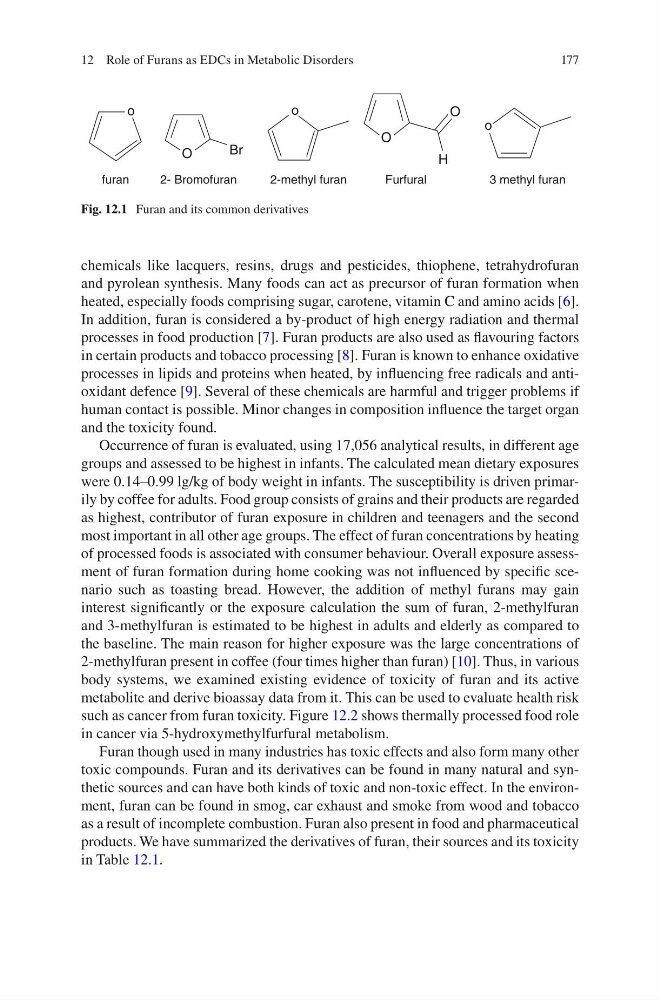
Fig. 12.1 Furan and its common derivatives
12 Role of Furans as EDCs in Metabolic Disorders
chemicals like lacquers, resins, drugs and pesticides, thiophene, tetrahydrofuran
and pyrolean synthesis. Many foods can act as precursor of furan formation when
heated, especially foods comprising sugar, carotene, vitamin C and amino acids [6].
In addition, furan is considered a by-product of high energy radiation and thermal
processes in food production [7]. Furan products are also used as flavouring factors
in certain products and tobacco processing [8]. Furan is known to enhance oxidative
processes in lipids and proteins when heated, by influencing free radicals and antioxidant defence [9]. Several of these chemicals are harmful and trigger problems if
human contact is possible. Minor changes in composition influence the target organ
and the toxicity found.
Occurrence of furan is evaluated, using 17,056 analytical results, in different age
groups and assessed to be highest in infants. The calculated mean dietary exposures
were 0.14–0.99 lg/kg of body weight in infants. The susceptibility is driven primarily by coffee for adults. Food group consists of grains and their products are regarded
as highest, contributor of furan exposure in children and teenagers and the second
most important in all other age groups. The effect of furan concentrations by heating
of processed foods is associated with consumer behaviour. Overall exposure assessment of furan formation during home cooking was not influenced by specific scenario such as toasting bread. However, the addition of methyl furans may gain
interest significantly or the exposure calculation the sum of furan, 2-methylfuran
and 3-methylfuran is estimated to be highest in adults and elderly as compared to
the baseline. The main reason for higher exposure was the large concentrations of
2-methylfuran present in coffee (four times higher than furan) [10]. Thus, in various
body systems, we examined existing evidence of toxicity of furan and its active
metabolite and derive bioassay data from it. This can be used to evaluate health risk
such as cancer from furan toxicity. Figure 12.2 shows thermally processed food role
in cancer via 5-hydroxymethylfurfural metabolism.
Furan though used in many industries has toxic effects and also form many other
toxic compounds. Furan and its derivatives can be found in many natural and synthetic sources and can have both kinds of toxic and non-toxic effect. In the environment, furan can be found in smog, car exhaust and smoke from wood and tobacco
as a result of incomplete combustion. Furan also present in food and pharmaceutical
products. We have summarized the derivatives of furan, their sources and its toxicity
in Table 12.1.
furan
2- Bromofuran
2-methyl furan
Furfural
o
o
o
O
O
H
Br
O
3 methyl furan
Fig. 12.1 Furan and its common derivatives
12 Role of Furans as EDCs in Metabolic Disorders