

117
2. Synthetic chemicals to be further categorized as:
Synthetic chemicals used for the production of industrial solvents and lubricants
(polychlorinated biphenyl, polybrominated biphenyl, dioxin), plastics (bisphenol
A), pesticides (dichlorodiphenyltrichloroethane), and a few pharmaceutical agents
(diethylstilbestrol) [8]. The endocrine disruptors can also be listed as per their
origin [9].
1. Endogenous and exogenous hormones, for example, phytoestrogens, omega-3
fatty acid, thyroid medications, and birth control tablets.
2. Medications with adverse effects on hormones (naproxen, metoprolol, and
clofibrate).
3. Chemicals found in commercial and consumer products such as alkylphenol ethoxylate detergents, flame retardants, solvents, 1,4-dichlorobenzene, phthalates,
and polychlorinated bis-phenols.
4. Industrial and domestic side products (dioxins, polycyclic aromatic hydrocarbons, pentachlorobenzene) [10].
The following section includes examples of commonly used endocrine disruptors from categories: food contact materials (BPA), plasticizers (phthalates), and
pesticides (DDT) products. These are only some of the many well-known endocrinedisruptor sources. Other types include personal care products, textiles and clothing,
and building products, among others.
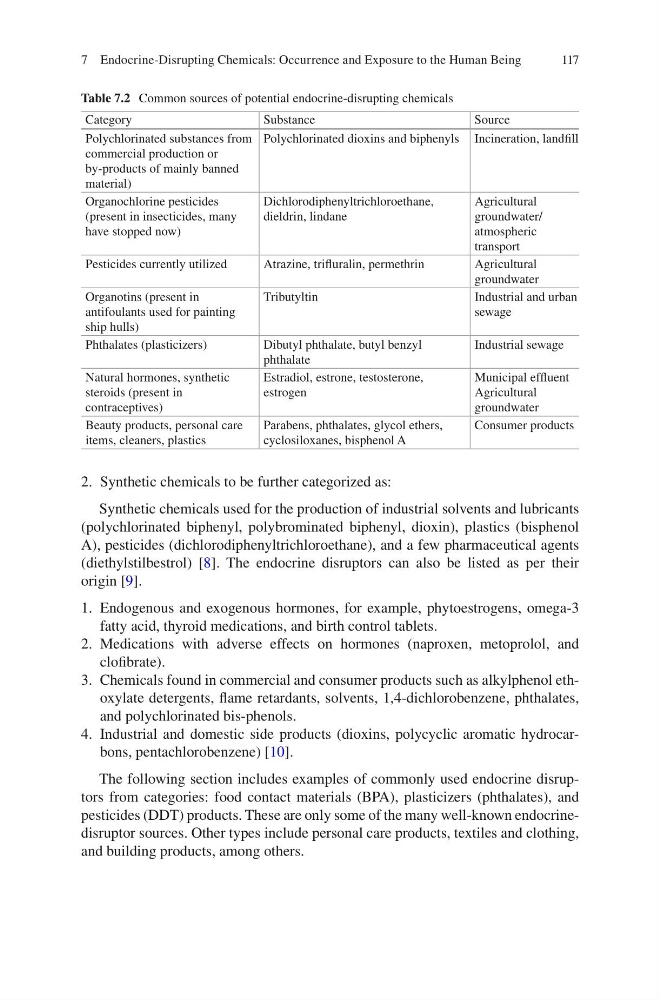
Table 7.2 Common sources of potential endocrine-disrupting chemicals
Category
Substance
Source
Polychlorinated substances from
commercial production or
by-products of mainly banned
material)
Polychlorinated dioxins and biphenyls Incineration, landfill
Organochlorine pesticides
(present in insecticides, many
have stopped now)
Dichlorodiphenyltrichloroethane,
dieldrin, lindane
Agricultural
groundwater/
atmospheric
transport
Pesticides currently utilized
Atrazine, trifluralin, permethrin
Agricultural
groundwater
Organotins (present in
antifoulants used for painting
ship hulls)
Tributyltin
Industrial and urban
sewage
Phthalates (plasticizers)
Dibutyl phthalate, butyl benzyl
phthalate
Industrial sewage
Natural hormones, synthetic
steroids (present in
contraceptives)
Estradiol, estrone, testosterone,
estrogen
Municipal effluent
Agricultural
groundwater
Beauty products, personal care
items, cleaners, plastics
Parabens, phthalates, glycol ethers,
cyclosiloxanes, bisphenol A
Consumer products
7 Endocrine-Disrupting Chemicals: Occurrence and Exposure to the Human Being
2. Synthetic chemicals to be further categorized as:
Synthetic chemicals used for the production of industrial solvents and lubricants
(polychlorinated biphenyl, polybrominated biphenyl, dioxin), plastics (bisphenol
A), pesticides (dichlorodiphenyltrichloroethane), and a few pharmaceutical agents
(diethylstilbestrol) [8]. The endocrine disruptors can also be listed as per their
origin [9].
1. Endogenous and exogenous hormones, for example, phytoestrogens, omega-3
fatty acid, thyroid medications, and birth control tablets.
2. Medications with adverse effects on hormones (naproxen, metoprolol, and
clofibrate).
3. Chemicals found in commercial and consumer products such as alkylphenol ethoxylate detergents, flame retardants, solvents, 1,4-dichlorobenzene, phthalates,
and polychlorinated bis-phenols.
4. Industrial and domestic side products (dioxins, polycyclic aromatic hydrocarbons, pentachlorobenzene) [10].
The following section includes examples of commonly used endocrine disruptors from categories: food contact materials (BPA), plasticizers (phthalates), and
pesticides (DDT) products. These are only some of the many well-known endocrinedisruptor sources. Other types include personal care products, textiles and clothing,
and building products, among others.
Table 7.2 Common sources of potential endocrine-disrupting chemicals
Category
Substance
Source
Polychlorinated substances from
commercial production or
by-products of mainly banned
material)
Polychlorinated dioxins and biphenyls Incineration, landfill
Organochlorine pesticides
(present in insecticides, many
have stopped now)
Dichlorodiphenyltrichloroethane,
dieldrin, lindane
Agricultural
groundwater/
atmospheric
transport
Pesticides currently utilized
Atrazine, trifluralin, permethrin
Agricultural
groundwater
Organotins (present in
antifoulants used for painting
ship hulls)
Tributyltin
Industrial and urban
sewage
Phthalates (plasticizers)
Dibutyl phthalate, butyl benzyl
phthalate
Industrial sewage
Natural hormones, synthetic
steroids (present in
contraceptives)
Estradiol, estrone, testosterone,
estrogen
Municipal effluent
Agricultural
groundwater
Beauty products, personal care
items, cleaners, plastics
Parabens, phthalates, glycol ethers,
cyclosiloxanes, bisphenol A
Consumer products
7 Endocrine-Disrupting Chemicals: Occurrence and Exposure to the Human Being