

(41%), Hapludolls (18%), Argiudolls (14%), Argiaquolls
(12%), Epiaquolls (9.5%), and Haprendolls (5.5%).
Common Mollisol soil series in the GLCZ include the
Solona (Argiudolls), Ruse (Endoaquolls), Tappan (Epiaquolls), Alpena and Namur (Hapludolls), and Shelter
(Haprendolls). The Shag (Endoaquolls), Namur (Hapludolls), and Pewamo (Argiaquolls) soil series are shown in
Fig. 5.21. The Shag soil series (Fig. 5.21a) is a Typic
Endoaquolls derived from silty glaciolacustrine sediments
and has a black A horizon to 10 in. (25 cm), a thin gray E
horizon, and a brown cambic (Bw) horizon to 25 in.
(64 cm), underlain by a massive, brown C horizon with Fe
accumulation. The Namur soil series (Fig. 5.21b) is a Lithic
Hapludolls from loamy till over bedrock. The profile contains a very dark brown mollic (A) horizon to 12 in. (30 cm)
directly overlying dolostone bedrock. The Pewamo soil
series (Fig. 5.21c) is a Typic Argiaquolls derived from till
subject to wave-washing during the Highest Lake Maumee
approximately 13.8 kyr ago. The Pewamo soil profile contains a very dark brown mollic (Ap, A horizons) epipedon to
13 in. (33 cm) and is underlain by dark gray and gray gleyed
argillic horizons (Btg) to 37 in. (94 cm).
Mollisols in the GLCZ tend to be in the mesic
soil-temperature class (64%), with the remaining soils in the
frigid class (36%). The soils tend to be loamy (coarse loamy,
fine-loamy, loamy, loamy-skeletal) (49%), followed by
clayey (20%), silty (19%), and sandy (12%). Most (84%) of
the Mollisols in the GLCZ have a mixed soil mineralogy;
76% of the Mollisols are in superactive, active, and semiactive CEC activity classes.
The predominant vegetation covering Mollisols in the
GLCZ is lowland broad-leaved forest (30%), followed by
temperature mixed forest (18%), prairie grasses (14%), and
nonforested wetlands (10%). Major parent materials include
lacustrine-glaciolacustrine sediments (40%), till (27%),
outwash (11%), and alluvium (11%). Landforms include
lake plains (51%), till plains (16%), and glacial lake benches
(12%). Mollisols in the Great Lakes region may form in as
little as 5.3 kyr, but are most common on surfaces > 11.2
kyr in age (see Figs. 4.16 and 4.17).
Analytical data for soil series representative of each of the
six great groups of Mollisols in the GLCZ are provided in
Table 5.5. The key property is the presence of a mollic
epipedon (highlighted in boldface). The mollic horizons of
the six soil series shown in Table 5.5 range from 18 to
28 cm in thickness and have a dark color (not shown but
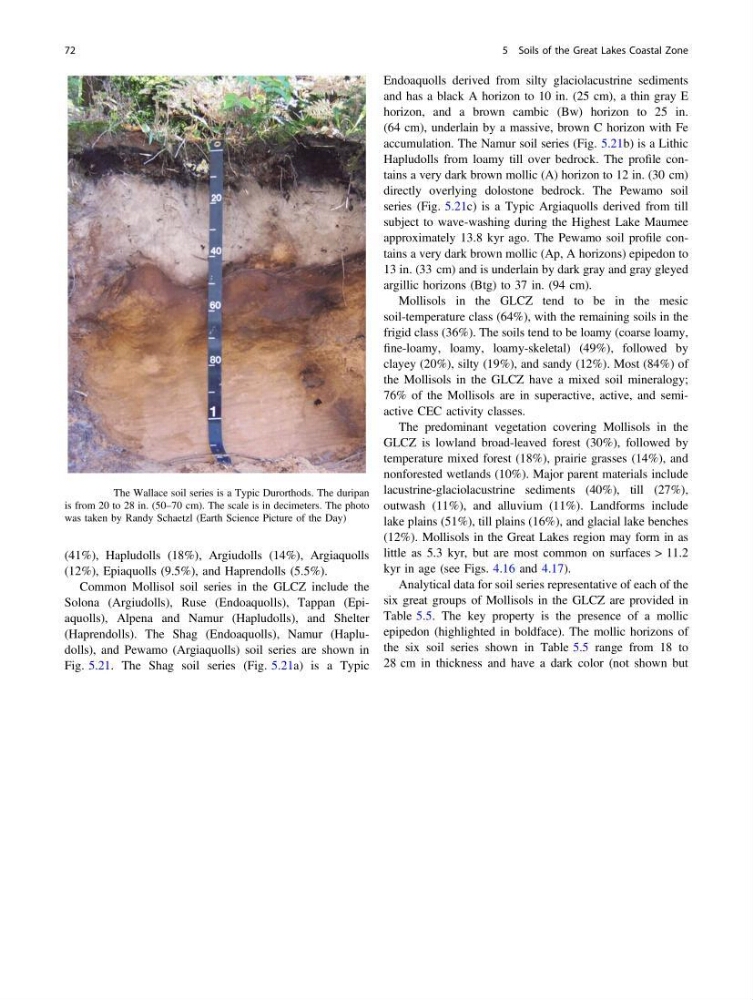
Fig. 5.11 The Wallace soil series is a Typic Durorthods. The duripan
is from 20 to 28 in. (50–70 cm). The scale is in decimeters. The photo
was taken by Randy Schaetzl (Earth Science Picture of the Day)
72
5 Soils of the Great Lakes Coastal Zone
(12%), Epiaquolls (9.5%), and Haprendolls (5.5%).
Common Mollisol soil series in the GLCZ include the
Solona (Argiudolls), Ruse (Endoaquolls), Tappan (Epiaquolls), Alpena and Namur (Hapludolls), and Shelter
(Haprendolls). The Shag (Endoaquolls), Namur (Hapludolls), and Pewamo (Argiaquolls) soil series are shown in
Fig. 5.21. The Shag soil series (Fig. 5.21a) is a Typic
Endoaquolls derived from silty glaciolacustrine sediments
and has a black A horizon to 10 in. (25 cm), a thin gray E
horizon, and a brown cambic (Bw) horizon to 25 in.
(64 cm), underlain by a massive, brown C horizon with Fe
accumulation. The Namur soil series (Fig. 5.21b) is a Lithic
Hapludolls from loamy till over bedrock. The profile contains a very dark brown mollic (A) horizon to 12 in. (30 cm)
directly overlying dolostone bedrock. The Pewamo soil
series (Fig. 5.21c) is a Typic Argiaquolls derived from till
subject to wave-washing during the Highest Lake Maumee
approximately 13.8 kyr ago. The Pewamo soil profile contains a very dark brown mollic (Ap, A horizons) epipedon to
13 in. (33 cm) and is underlain by dark gray and gray gleyed
argillic horizons (Btg) to 37 in. (94 cm).
Mollisols in the GLCZ tend to be in the mesic
soil-temperature class (64%), with the remaining soils in the
frigid class (36%). The soils tend to be loamy (coarse loamy,
fine-loamy, loamy, loamy-skeletal) (49%), followed by
clayey (20%), silty (19%), and sandy (12%). Most (84%) of
the Mollisols in the GLCZ have a mixed soil mineralogy;
76% of the Mollisols are in superactive, active, and semiactive CEC activity classes.
The predominant vegetation covering Mollisols in the
GLCZ is lowland broad-leaved forest (30%), followed by
temperature mixed forest (18%), prairie grasses (14%), and
nonforested wetlands (10%). Major parent materials include
lacustrine-glaciolacustrine sediments (40%), till (27%),
outwash (11%), and alluvium (11%). Landforms include
lake plains (51%), till plains (16%), and glacial lake benches
(12%). Mollisols in the Great Lakes region may form in as
little as 5.3 kyr, but are most common on surfaces > 11.2
kyr in age (see Figs. 4.16 and 4.17).
Analytical data for soil series representative of each of the
six great groups of Mollisols in the GLCZ are provided in
Table 5.5. The key property is the presence of a mollic
epipedon (highlighted in boldface). The mollic horizons of
the six soil series shown in Table 5.5 range from 18 to
28 cm in thickness and have a dark color (not shown but
Fig. 5.11 The Wallace soil series is a Typic Durorthods. The duripan
is from 20 to 28 in. (50–70 cm). The scale is in decimeters. The photo
was taken by Randy Schaetzl (Earth Science Picture of the Day)
72
5 Soils of the Great Lakes Coastal Zone